.webp)


.png)


The Unchosen A.40
Kenta Suzuki(鈴木 健太)
(English translation follows below)
札幌の冬は、物理法則そのものが牙を剥いてくる。
人口190万人の都市に、毎年5メートルもの雪が降る。そう書くと、ただの気象データみたいだけど、現場にいると、その数字は重い。
雪は玄関前に降り積もり、車を閉じ込め、バスを遅らせる。誰かの明日の予定を、何の感情もなく塞いでいく。
僕の仕事は、その雪に都市が押し潰されないように、深夜の道路を守ることだ。
土木センターの事務所で、GPSモニターの光を見ている。画面の上では、何十台もの除雪車が札幌の道路網をゆっくり動いている。地図の上ではただの点でも、その一つひとつに人が乗っていて、いまもどこかで雪の積もった道路を削っている。
電話は深夜でも普通に鳴る。
「玄関前の雪をどうにかしてほしい」
「車が出せない」
「いつ除雪が来るんだ」
正直言うと、またか、と思う時はある。こちらにも順番があり、機械の台数があり、人の限界がある。全部の道路を同時に除雪することはできない。
だけど、受話器の向こうで吹雪の音がしていると、少しだけ分かってしまう。怒っている人もまた、雪に追い詰められている。追い詰められて誰かに感情をぶつけてしまう。
大学で都市計画を学んでいた頃、インフラはもっと効率で賢くできるものだと思っていた。AIや自動運転やデータが、都市の問題を簡単に解決していくものだと信じていた
たぶん、それは間違いではない。GPSは役に立つし、予測も可能だ。だけどマイナス6度の夜に、鉄のブレードがアスファルトの雪を削る音を聞くと、画面上では整っていた都市が、急に生々しいものに戻る。
道路には雪には重さがあって、電話の向こうには、明日の朝車を出せないリアルな人がいる。
昔は雪が好きだった。週末になるとスノーボードを積んで山へ行き、新雪の日には白い空間を見て気分が高まった。あの頃の雪は、日常から離れるレジャーのためのものだった。
今は、同じ白さを見ても、まず道路のことを考えてしまう。好きだったものを仕事の目で見るようになってしまった。雪が嫌いになったというより、きれいに見えていたものの裏側。きれいな部分以外の事を知ることになった。
朝になると、街は日常の顔をする。
一晩かけて開けた道を、人々が何事もなかったように歩いていく。誰も、そこが数時間前まで雪に埋まりかけていたことを知らない。知らないままでいられるようにするのが、僕の仕事なのだ。
だけど時々、誰にも知られないまま都市を維持している自分の身体の重さに、ひどくぐったりすることがある。
朝になって道路は開いても、夜のあいだに受けた声や寒さや眠気は、すぐには消えない。手を洗うと、あかぎれに水がしみる。その痛みだけが、昨夜のことをまだ覚えている。
札幌の冬は白い。
白いけど、軽くはない。
|1|
深夜2時、札幌市北区の土木センター。
蛍光灯の冷たい光の下で、鈴木健太(24)は固定電話の受話器を肩と耳で挟み、デスク上のモニターに表示された除雪車のGPS位置情報を確認していた。
窓の外はマイナス6度。
地吹雪が窓ガラスを叩き、街灯の光の中に白い筋を描いている。
「除雪車がうちの玄関前に雪の山を置いていったぞ。どうしてくれるんだ」
受話器の向こうから、怒鳴り声が響く。
健太は「大変申し訳ございません。すぐに確認いたします」と答え、手元の住宅地図にマーカーを引いた。
該当する路線を確認し、無線で現場を巡回する除雪グレーダーのオペレーターに連絡を取る。
モニター上では、複数の車両を示す光点が少しずつ動いている。
画面では数センチの移動に見えるが、実際の道路では、巨大なブレードが圧雪と氷を削りながら進んでいる。
外では、イエローの回転灯が雪煙の中に滲んでいる。
金属が氷を削る音は、窓の向こうの吹雪にかき消されていた。
|2|
札幌市は、人口190万人を超える大都市でありながら、年間累積降雪量が5メートル前後に達する豪雪都市である。
市内の道路交通を翌朝までに維持するため、冬期の夜間には多くの除雪車両と作業員が稼働する。
対象となるのは幹線道路だけではない。住宅街の生活道路、通学路、バス路線、緊急車両の通行に関わる道路まで、優先順位をつけながら作業が進められる。
健太は大学の工学部で土木工学を専攻し、卒業後、札幌市役所に入庁した。採用2年目の現在は、道路維持に関わる部署に配属されている。
大学で学んだ都市計画やインフラ管理の知識は、現場でも必要になる。
降雪量、交通量、路線の重要度、作業車両の位置情報。
それらを見ながら、限られた時間と機材で、どの道路から開けるかを判断していく。
ただし、机上で扱う道路と、吹雪の中の道路は同じではない。
地図上では一本の線として表示される道路にも、現場ではそれぞれ条件がある。吹き溜まりができやすい場所、路肩に雪を寄せる余地の少ない住宅街、朝の通勤時間帯に渋滞しやすい交差点、バスの遅れが広がりやすい路線。
一度除雪しても、風向きが変われば再び雪が積もる場所もある。
作業は、雪をどかせば終わるわけではない。
除雪車が通ったあとに残る雪の塊が、玄関や車庫の前を塞ぐこともある。
それが市民からの苦情につながる。
電話対応、現場確認、車両への指示、優先順位の調整。
深夜の土木センターでは、それらが同時に進んでいく。
|3|
午前6時半、強かった雪がようやく小降りになる。
健太は長靴に付着した雪を落とし、事務所の椅子に腰を下ろした。
指先には冷気であかぎれができている。自販機で買った温かい缶コーヒーの熱が、手のひらに残る。
大学時代、健太は週末になるとスノーボードを持ってニセコやルスツの山へ向かっていた。
雪は、余暇の対象だった。
道路維持の部署に配属されてから、その見え方は変わった。
同じ雪でも、都市の中では処理しなければならない物質になる。積もれば交通を止め、固まれば氷になり、寄せれば別の場所を塞ぐ。
窓の外では空が白み始めている。
始発の市電がレール上の雪を押し退けながら走り出す音が聞こえる。
夜のあいだに確保された黒いアスファルトの上を、通勤客たちが歩き始める。
大半の人は、その道路が数時間前にどのような状態だったのかを知らない。
道路が通れる状態に戻ること。
そのこと自体が、夜間作業の成果である。
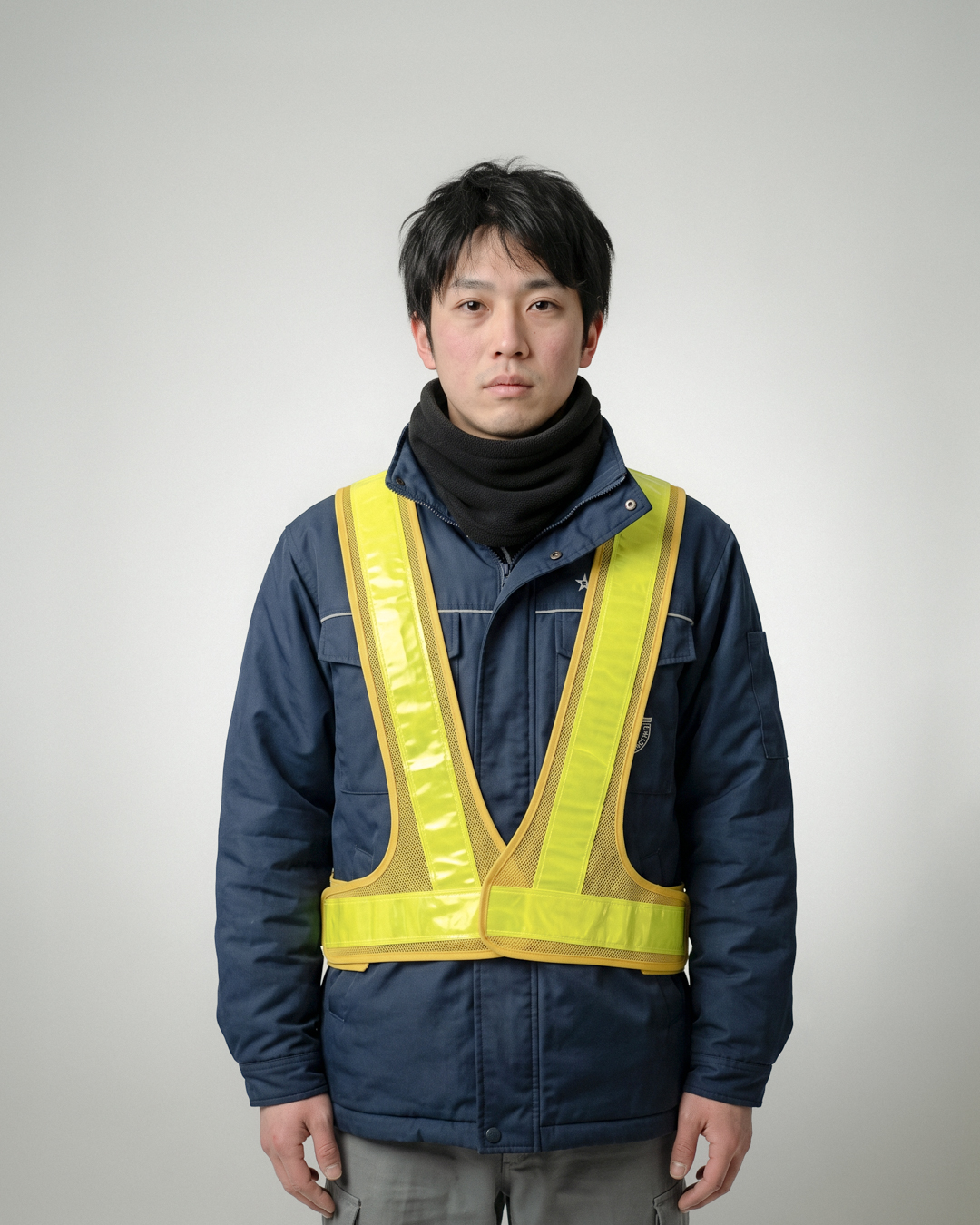
健太は反射ベストを脱ぎ、セイコーマートで買った温かい鮭おにぎりを口に運ぶ。
数時間後には、日勤の打ち合わせが始まる。
English
Winter in Sapporo is when the laws of physics themselves bare their teeth.
A city of 1.9 million people receives five meters of snow every year. Written that way, it sounds like nothing more than meteorological data. But when you are there on the ground, that number has weight.
Snow piles up in front of doorways, traps cars, delays buses. Without feeling anything at all, it blocks someone’s plans for tomorrow.
My job is to protect the roads at night, so the city is not crushed under that snow.
At the civil engineering center office, I watch the glow of the GPS monitors. On the screen, dozens of snowplows move slowly through Sapporo’s road network. On the map, they are only dots. But inside each one, there is a person. Even now, somewhere in the city, someone is scraping snow from a buried road.
The phone rings even in the middle of the night.
“Please do something about the snow in front of my entrance.”
“I can’t get my car out.”
“When is the snowplow coming?”
To be honest, there are times when I think, not again. We have an order to follow. A limited number of machines. Human limits. We cannot clear every road at the same time.
But when I can hear the blizzard through the receiver, I understand a little. The person who is angry is also being cornered by the snow. Cornered, they end up throwing their feelings at someone.
When I was studying urban planning at university, I thought infrastructure could be made smarter and more efficient. I believed that AI, autonomous driving, and data would solve the problems of the city with ease.
Maybe that was not wrong. GPS is useful. Forecasting is possible. But on a night at minus six degrees, when I hear the sound of an iron blade scraping snow from asphalt, the city that looked orderly on the screen suddenly becomes something raw and alive again.
Roads have snow on them, and that snow has weight. On the other end of the phone, there is a real person who may not be able to get their car out in the morning.
I used to love snow. On weekends, I would load up my snowboard and head to the mountains. On days with fresh powder, the sight of that white open space would lift my spirits. Back then, snow belonged to leisure, to a place away from everyday life.
Now, when I see that same whiteness, the first thing I think about is the roads. I have started to see something I once loved through the eyes of work. It is not that I hate snow now. It is more that I have come to know what lies behind the beautiful part. The parts that are not beautiful.
By morning, the city puts on its everyday face.
People walk along the roads we opened through the night as if nothing had happened. No one knows that, only a few hours earlier, those roads were nearly buried in snow. Making it possible for them not to know is my job.
But sometimes, I feel completely worn down by the weight of my own body, maintaining a city without anyone ever noticing.
Even when the roads are open by morning, the voices, the cold, and the sleepiness I took in during the night do not disappear so quickly. When I wash my hands, the water stings the cracks in my skin. That pain alone still remembers the night before.
Winter in Sapporo is white.
White, but not light.
|1|
2:00 AM, the Civil Works Center in Kita Ward, Sapporo.
Under the cold glare of fluorescent lights, Kenta Suzuki, 24, holds the landline receiver between his shoulder and ear while checking the GPS locations of snowplows displayed on the monitor at his desk.
Outside the window, it is minus 6 degrees Celsius.
Ground blizzards strike the glass, drawing white streaks through the glow of the streetlights.
“The snowplow left a mountain of snow in front of my entrance. What are you going to do about it?”
An angry voice comes through the receiver.
Kenta replies, “We are very sorry. We will check immediately,” then marks the location on a residential map at his desk.
He confirms the route and contacts the operator of a motor grader patrolling the area by radio.
On the monitor, several points of light representing vehicles move slowly across the map.
On screen, the movement is only a few centimeters. On the actual roads, large steel blades are scraping through packed snow and ice.
Outside, yellow rotating lights blur into the snow haze.
The sound of metal scraping ice is swallowed by the blizzard beyond the window.
|2|
Sapporo is a major city with a population of more than 1.9 million, yet its cumulative annual snowfall reaches around five meters.
To maintain road traffic by the following morning, many snow removal vehicles and workers operate through winter nights.
The work does not only cover major roads. Residential streets, school routes, bus routes, and roads needed for emergency vehicles must all be cleared according to priority.
Kenta studied civil engineering at university and joined the Sapporo City Government after graduation. Now in his second year, he is assigned to a department involved in road maintenance.
The knowledge he learned in urban planning and infrastructure management is still necessary in the field.
Snowfall, traffic volume, route priority, and vehicle location data all factor into decisions about which roads should be cleared first with limited time and equipment.
However, a road on paper and a road in a blizzard are not the same.
A road shown as a single line on a map can have many different conditions in the field: places where snowdrifts form easily, residential streets with little space to push snow aside, intersections where congestion builds during the morning commute, and bus routes where small delays can quickly spread.
Even after a road is cleared once, a change in wind direction can cover it again.
The work does not end when snow is moved aside.
The ridge left behind by a passing snowplow can block entrances or garage doors.
That often leads to complaints from residents.
Phone calls, field checks, instructions to vehicles, and adjustments to priority all happen at the same time inside the Civil Works Center late at night.
|3|
At 6:30 AM, the heavy snow finally begins to ease.
Kenta knocks the packed snow from his boots and sits down in an office chair.
His fingertips are cracked from the cold. The heat of a canned coffee from the vending machine remains in his hands.
During university, Kenta used to take his snowboard to Niseko or Rusutsu on weekends.
Snow was something he associated with leisure.
Since being assigned to road maintenance, his view of it has changed.
In the city, the same snow becomes a material that must be processed. When it accumulates, it stops traffic. When it hardens, it turns to ice. When it is pushed aside, it can block somewhere else.
Outside the window, the sky is beginning to lighten.
The first streetcar can be heard pushing through the snow on the tracks.
Commuters begin walking over the black asphalt that was kept open through the night.
Most of them do not know what condition the road was in only a few hours earlier.
Restoring the road to a usable state is itself the result of the night’s work.
Kenta takes off his reflective vest and bites into a warm salmon rice ball from Seicomart.
In a few hours, the daytime staff meeting will begin.
日本語本作に登場する人物・語りは、実在の個人に基づいたものではありません。設定・描写にあたっては、人物の文化背景、言語、歴史、現在の社会状況について文献・記録・当事者の語り等を調査し、それらをもとに構成・再構成し、物語として描いています。ただし、たとえ綿密なリサーチをもとにしていても、"他者の声を仮構すること"には構造的な危うさがあると私は考えています。この作品は、その危うさごと提出するための試みです。
EnglishThe characters and narratives presented here are not based on any real individuals.The setting and depiction are constructed and restructured through research into cultural backgrounds, languages, histories, and contemporary conditions—including archival sources and first-person accounts—and are rendered here as a narrative.However, even when grounded in careful research, I believe that fictionalizing the voice of another carries inherent structural risk.This piece is an attempt to present that risk itself—openly and with accountability.