.webp)


.png)


The Unchosen M.13
Tariq Al-Hajj(タリク・アル=ハッジ)
(English translation follows below)
宛先:
ここをまだ書いていない。
以前の役所なのか、財務省なのか、市なのか、別の事務所なのか分からない。
知人に聞いても、人によって答えが違う。
件名:未払い給与について
私はサヌア市内の行政機関で、記録係として勤務していた。
仕事は、提出された書類の日付を確認し、受付番号を付け、必要な欄が埋まっているかを見ることだった。
不足があれば、申請者に返した。
理由を書き、修正する場所に印を付け、もう一度持ってくるように伝えた。
この紙にも、本来なら勤務開始日と、最後に給与が支払われた日を書く必要がある。
勤務を始めた年は覚えている。
最後に通常どおりの給与を受け取った月は、妻と確認しなければ分からない。
途中で少額の支給があった。
食料品が配られたこともあった。
給与と呼ばれたものもあれば、支援と呼ばれたものもある。
何を最後の給与として書くべきか分からない。
給与が定期的に支払われなくなった後も、私は出勤を続けた。
出勤簿に署名した。
届いた書類に番号を付けた。
職員の人数が減ったので、以前は別の人が担当していた書類も扱った。
支払いが再開されたとき、勤務していなかったことにされるのが怖かった。
後から受け取れると考えていた。
多くの職員が同じように考えていたと思う。
その後、職場へ行くための交通費を払えなくなった。
昼食を買う金もなかった。
歩いて行けない距離ではなかったが、帰宅する頃には、ほかの仕事をする時間がなくなった。
そのため出勤をやめた。
正式に退職したわけではない。
退職届は出していない。
解雇通知も受け取っていない。
職員証はまだ持っている。
有効かどうかは分からない。
現在の職業:
パンを焼き、通りで販売している。
妻と一緒に作っている。
長女も朝の準備を手伝うことがある。
これを自営業と書くべきなのか、露天商と書くべきなのか分からない。
役所の用紙なら、どちらか一つに印を付ける必要がある。
収入は一定ではない。
水が手に入らない日は、作る量が減る。
小麦粉が高くなった日は、パンを小さくするか、値段を変える。
売れ残る日もある。
代金を後で払う客もいる。
今日まで支払われていない分は、ノートに名前を書いている。
以前の職場にも、私に支払っていない分が残っている。
金額は同じではない。
待っているという点は同じである。
家族:
妻。
子ども三人。
次男が病気になったとき、薬を買うためにジャンビーヤを売った。
鞘と帯は売れなかったので、今も持っている。
この情報は給与の請求には必要ないと思う。
最初の紙では書かなかった。
二枚目にも書かなかった。
これは三枚目である。
なぜ今回は書いたのか、自分でも分からない。
短剣を売った金額は覚えている。
薬と、その週の小麦粉を買うと、ほとんど残らなかった。
鞘を腰につけたままにしている理由を聞かれることがある。
私は、別に理由はないと答える。
理由がないという回答は、用紙には書きにくい。
請求するもの:
未払いの給与。
正確な月数は、勤務記録を確認してほしい。
私はすべての給与明細を保管していない。
最初の頃は保管していた。
あとで必要になると思っていた。
紙を燃料にしたことはないが、引っ越しのときに一部を失った。
家の一部が傷んだときにも、書類が濡れた。
残っているものは提出できる。
ただし、原本を渡すことはできない。
返却される保証がないからである。
支払いを受けた場合の用途:
この項目は必要ないと思う。
給与は働いたことに対して支払われるもので、使い道を説明して受け取るものではない。
それでも、必要なら書く。
小麦粉。
水。
燃料。
子どもの学校で必要なもの。
薬。
借りている金の返済。
壊れた家の窓。
妻は、最初に小麦粉と借金を書くべきだと言った。
私は窓も必要だと思う。
風が強い日は布を詰めている。
この部分は削除してもよい。
希望する回答期限:
書けない。
以前なら、受付から何日以内に回答すると決まっていた。
現在その規則が残っているのか分からない。
この紙をどこへ持っていけばよいのかも分からない。
持っていくための交通費が必要になる。
一日店を閉めれば、その日の収入がなくなる。
受け付けてもらえなければ、交通費と一日分の売上を両方失う。
そのため、まだ提出していない。
今朝はパンを八十七枚焼いた。
現金で売れたのは六十一枚。
十七枚は掛けで渡した。
九枚残った。
明日の粉を買うには少し足りない。
この紙を書いている途中で、近所の人が給水車が来たと知らせに来た。
列が長くなる前に、ポリタンクを持って行かなければならない。
続きは帰ってから書く。
|1|
サヌア旧市街。夜明け前の路地には、焼成煉瓦で建てられた高い家々が並び、窓の縁に施された白い石膏の模様だけが、薄暗い空の下に浮かんでいる。
午前4時37分。
タリク・アル=ハッジ、45歳は、家の蛇口を一度ひねる。
水は出ない。
水道管そのものが完全に壊れているわけではない。給水される日もある。ただし、いつ、何時間流れるかは分からない。
タリクは二つのポリタンクを持ち、近所に給水車が来る広場へ向かう。
すでに十人ほどが並んでいる。タリクはタンクを列の最後に置き、順番を待つ。水が来なければ、その日のパンの量を減らさなければならない。
家へ戻る頃には、東の空が明るくなり始めている。
一階の奥にある小さなタンヌールに火を入れる。妻が前夜に仕込んだ生地を分け、丸めている。タリクは生地を薄く伸ばし、熱くなった窯の内壁へ貼り付ける。
数分後、焼けたパンを金属の棒で取り出す。
最初の一枚を半分に裂く。中の水分と焼き色を見る。
その日の小麦粉の状態によって、必要な水の量はわずかに変わる。薪の乾き方によって、窯の温度も変わる。
タリクは壁際の棚から罫線入りのノートを取り出す。
日付。使用した小麦粉。水。燃料。焼いた枚数。
右端には、現金で売れた分と、掛けで渡した分を書く欄がある。
以前、役所で使っていたものとよく似た帳簿である。
|2|
日の出後、タリクはパンを布で包み、手押し車に積む。
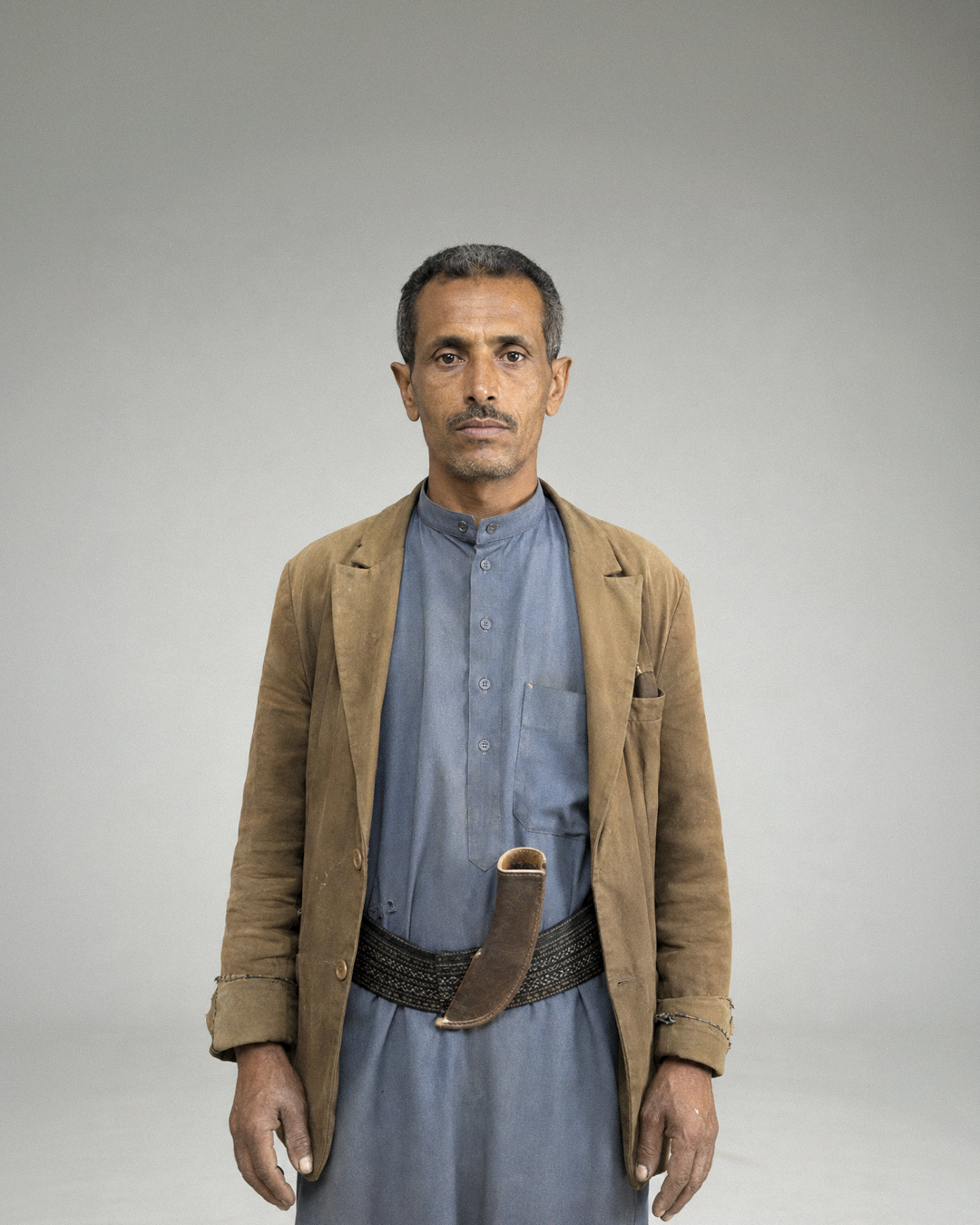
腰には古い帯を巻いている。中央にはジャンビーヤの鞘があるが、中の短剣は入っていない。
数年前、次男が病気になったときに売った。
帯と鞘には大した値段がつかなかったため、そのまま手元に残った。
タリクは、空になった鞘について自分から説明することはない。通りで古い知人に会っても、気づかないふりをする人が多い。
モスクに近い角へ手押し車を止める。
最初に来た客は、近所に住む年配の男性である。
二枚分の金額を渡し、一枚だけ持っていく。
「もう一枚は、次に必要な人へ」
タリクは礼を言い、帳簿には一枚分だけを売上として記す。残りの金額は別の欄へ小さく書く。
しばらくして、子どもを連れた女性が四枚注文する。
手元の現金では三枚分しかない。
タリクは四枚渡し、女性の名字と不足分をノートに書く。
掛け売りが増えすぎれば、翌日の小麦粉を買えなくなる。断れば、その家の朝食が減る。
どちらを選んでも、帳簿のどこかに不足が残る。
午前中、以前の職場にいた男性が通りかかる。
二人は挨拶をする。
役所の話も、止まった給与の話もしない。
男はパンを二枚買い、タリクは代金を数えてポケットに入れる。
|3|
タリクは、サヌアの行政機関で記録係として働いていた。
届出書類の日付を確認し、番号を付け、決められた欄に記入する仕事だった。
給与の定期的な支払いが止まった後も、しばらくは職場へ通った。
後からまとめて支払われるかもしれなかった。出勤記録から名前が消えれば、受け取る権利まで失うかもしれなかった。
机に座り、書類を整理し、給与の入らない月を一つずつ増やしていった。
やがて、職場へ行くための交通費と昼食代を払えなくなった。
最初にパンを売ったのは、その頃だった。
今も、タリクは数字を同じ書き方で記録する。
役所では申請書の数を数えた。
いまは焼いたパン、売れたパン、残ったパンを数える。
昼前、小麦粉を扱う商人から、次の袋は前回より高くなると聞かされる。
輸送費と燃料代が上がったという。
タリクはノートを開き、一本の線を引く。
パンの値段を上げるか。
一枚を少し小さくするか。
自分たちの取り分を減らすか。
計算の上では、どれかを選ばなければならない。
タリクは翌朝の生地を一つだけ量り、前日より少し軽くする。
残りは量らず、手の感覚で同じ大きさに分ける。
|4|
イエメンの経済は、同じ通貨を使いながら、事実上二つの金融圏に分かれている。
南部では通貨価値の急激な変動が物価を押し上げてきた。一方、サヌアでは為替相場が強く統制されているが、現金そのものが不足し、安定した給与や仕事を持たない人が増えている。
市場にパンがあることと、それを買えることは同じではない。
小麦の多くは国外から運ばれる。港、航路、燃料、保険、税や手数料のどこかが変わるたびに、サヌアの小麦粉の値段にも負担が加わる。
水をくみ上げ、運び、家庭まで届けるにも燃料が必要になる。
国家から支払われるはずだった給与が途絶えたあと、その不足を埋めたのは、露店、日雇い、修理、家庭での製造、親族からの送金、そして掛け売りだった。
タリクの帳簿にも、現金より人の名前が増えている。
日が傾く頃、タリクは手押し車に残ったパンを数える。
焼いたパン、87枚。
現金で売れたもの、61枚。
掛けで渡したもの、17枚。
残ったもの、9枚。
帰宅すると、妻が残ったパンを少量の水で湿らせ、温め直す。
家族五人で食べる。
夕食後、タリクは帳簿を開く。
明日の小麦粉を予定どおり買うには、今日の売上では少し足りない。
隣のページに二つの数字を書く。
必要な量。
買える量。
その間に短い線を引き、ノートを閉じる。
午前4時半には、もう一度蛇口をひねる。
English
To:
I have not filled this part in yet.
I do not know whether it should be addressed to my former office, the Ministry of Finance, the municipality, or another department.
When I ask people, I receive different answers.
Subject: Unpaid salary
I worked as a records clerk at a government office in Sana’a.
My work was to check the dates on submitted documents, assign receipt numbers, and confirm that the required fields had been completed.
When information was missing, I returned the document to the applicant.
I wrote the reason, marked the section that needed correction, and told them to bring it back.
On this paper, I am supposed to write the date I began working and the date on which my last salary was paid.
I remember the year I began.
I would need to check with my wife to identify the last month in which I received a normal salary.
There were occasional small payments.
Food was distributed on some occasions.
Some payments were called salary. Others were called assistance.
I do not know which one should be entered as the final salary payment.
I continued reporting to work after regular payments stopped.
I signed the attendance book.
I assigned numbers to the documents that arrived.
Because the number of employees had fallen, I also handled documents that had previously belonged to other departments.
I was afraid that, if salary payments resumed, I would be recorded as having stopped working.
I believed the money might eventually be paid.
I think many employees believed the same thing.
Later, I could no longer afford the transport required to reach the office.
I also had no money to buy lunch.
The distance was possible on foot, but by the time I returned home there was no time left for other work.
For that reason, I stopped attending.
I did not formally resign.
I submitted no resignation letter.
I received no notice of dismissal.
I still have my employee card.
I do not know whether it remains valid.
Current occupation:
I bake bread and sell it in the street.
My wife and I make it together.
Our eldest daughter sometimes helps with the morning preparation.
I do not know whether I should describe this as self-employment or street vending.
On an official form, I would have to mark one of them.
The income is not fixed.
When we cannot obtain enough water, we make less bread.
When flour becomes more expensive, we make the bread smaller or change the price.
Some bread remains unsold.
Some customers pay later.
I write the names of those who have not yet paid in a notebook.
My former employer also owes me money.
The amounts are not the same.
The waiting is the same.
Family:
Wife.
Three children.
When my second son became ill, I sold my jambiya to buy medicine.
The sheath and belt could not be sold, so I still have them.
I do not think this information is necessary for a salary claim.
I did not include it on the first paper.
I did not include it on the second.
This is the third.
I do not know why I have written it this time.
I remember the amount I received for the dagger.
After buying medicine and that week’s flour, almost nothing remained.
People sometimes ask why I still wear the empty sheath.
I answer that there is no particular reason.
“No particular reason” is difficult to enter on a form.
What I am claiming:
The salary that remains unpaid.
Please confirm the exact number of months through the employment records.
I have not kept every salary statement.
At first, I kept them.
I thought they might be needed later.
I did not burn any of the papers for fuel, but some were lost when we moved.
Others became wet when part of the house was damaged.
I can submit the documents that remain.
I cannot submit the originals.
There is no guarantee that they will be returned.
Intended use of payment:
I do not think this section should be required.
A salary is paid in return for work. A person should not have to explain how it will be used before receiving it.
Still, if an answer is necessary:
Flour.
Water.
Fuel.
School requirements for the children.
Medicine.
Repayment of money borrowed.
The broken window in the house.
My wife says that flour and debt should be written first.
I think the window is also necessary.
When the wind is strong, we fill the gap with cloth.
This section may be deleted.
Requested response date:
I cannot enter one.
There used to be a rule stating how many days an office had to respond after receiving an application.
I do not know whether that rule still exists.
I also do not know where this paper should be taken.
Reaching the office would require transport money.
If I close the stall for a day, I lose that day’s income.
If the application is refused, I lose both the transport cost and the day’s sales.
For that reason, I have not submitted it.
This morning, we baked eighty-seven loaves.
Sixty-one were sold for cash.
Seventeen were given on credit.
Nine remained.
I am slightly short of the amount needed to buy tomorrow’s flour.
While I was writing this paper, a neighbour came to say that the water tanker had arrived.
I need to take the jerrycans before the line becomes longer.
I will continue when I return.
|1|
The Old City of Sana’a. Before dawn, tall houses of fired brick line the narrow streets, their white plaster decorations suspended against the dim sky.
4:37 a.m.
Tariq Al-Hajj, forty-five, turns the tap in his house once.
Nothing comes out.
The pipe itself is not entirely broken. Water reaches the neighbourhood on some days, but no one knows exactly when it will begin flowing or how long it will last.
Tariq takes two plastic jerrycans and walks to a square where a water tanker is expected.
About ten people are already waiting. He places his containers at the end of the line. If the tanker does not arrive, he will have to reduce the amount of bread he makes that day.
The eastern sky is beginning to lighten by the time he returns.
He lights the small tannur at the back of the ground floor. His wife divides and rounds the dough prepared the previous night. Tariq stretches each piece thin and presses it against the heated inner wall of the oven.
Several minutes later, he removes the bread with a metal rod.
He tears the first one in half and checks the moisture inside and the colour of the crust.
The amount of water required changes slightly with the condition of the flour. The heat of the oven changes with the dryness of the fuel.
Tariq takes a ruled notebook from a shelf beside the wall.
Date. Flour used. Water. Fuel. Number of loaves baked.
At the right are separate columns for bread sold in cash and bread given on credit.
The ledger resembles the ones he once used at the government office.
|2|
After sunrise, Tariq wraps the bread in cloth and loads it onto a wooden handcart.
An old belt is fastened around his waist. A jambiya sheath sits at its centre, but the dagger is no longer inside.
He sold it several years ago when his second son became ill.
The belt and sheath had little resale value, so they remained with him.
Tariq does not explain the empty sheath. When former acquaintances notice it in the street, most pretend not to.
He stops the cart at a corner near a mosque.
The first customer is an older man from the neighbourhood.
He hands Tariq enough money for two loaves but takes only one.
“The other is for whoever needs it next.”
Tariq thanks him and records only one loaf as a sale. He writes the remaining amount in a smaller column.
Later, a woman with a child asks for four loaves.
She has enough cash for only three.
Tariq gives her four and writes her family name and the unpaid amount in the notebook.
If too much bread is sold on credit, he will not be able to buy the next day’s flour. If he refuses, the family will have less for breakfast.
Whichever choice he makes, a deficit remains somewhere in the ledger.
Before noon, a man from Tariq’s former workplace passes by.
They greet each other.
Neither mentions the office nor the salary payments that stopped.
The man buys two loaves. Tariq counts the money and places it in his pocket.
|3|
Tariq worked as a records clerk in a Sana’a government office.
He checked dates on submitted documents, assigned numbers, and entered information into designated fields.
After regular salary payments stopped, he continued going to work for a time.
The money might eventually be paid in arrears. If his name disappeared from the attendance records, he might lose even the right to claim it.
He sat at his desk, sorted documents, and added one unpaid month after another.
Eventually, he could no longer afford the transport and food required to go to work.
That was around the time he first began selling bread.
He still records numbers in the same handwriting.
At the office, he counted applications.
Now he counts the bread baked, sold, and left behind.
Before midday, a flour merchant tells him that the next sack will cost more than the previous one.
Transport and fuel have become more expensive.
Tariq opens the notebook and draws a line.
Raise the price of each loaf.
Make each one slightly smaller.
Reduce the amount his own family keeps.
On paper, he must choose one.
He weighs the first piece of dough for the following morning and makes it slightly lighter than the day before.
He does not weigh the rest. He divides them to the same size by touch.
|4|
Yemen’s economy uses one currency but is effectively divided into two financial zones.
In the south, sharp currency fluctuations have repeatedly driven prices upward. In Sana’a, the exchange rate is tightly controlled, but cash itself is scarce, and growing numbers of people have no reliable salary or employment.
The existence of bread in a market does not mean that people can afford to buy it.
Most wheat is brought into the country from abroad. Every change in ports, shipping routes, fuel, insurance, taxes, or fees adds pressure to the price of flour in Sana’a.
Fuel is also required to pump, transport, and deliver water to households.
When state salaries disappeared, the gap was filled by street vending, casual work, repairs, home production, money sent by relatives, and purchases made on credit.
In Tariq’s ledger, people’s names are beginning to occupy more space than cash payments.
Toward the end of the day, he counts the bread remaining on the cart.
Baked: eighty-seven.
Sold for cash: sixty-one.
Given on credit: seventeen.
Remaining: nine.
At home, his wife moistens the unsold bread with a little water and heats it again.
The family of five eats it for dinner.
Afterward, Tariq opens the ledger.
The day’s sales are slightly short of what he needs to buy the planned amount of flour for tomorrow.
On the next page, he writes two figures.
The amount required.
The amount he can afford.
He draws a short line between them and closes the notebook.
At half past four in the morning, he will turn the tap again.
日本語本作に登場する人物・語りは、実在の個人に基づいたものではありません。設定・描写にあたっては、人物の文化背景、言語、歴史、現在の社会状況について文献・記録・当事者の語り等を調査し、それらをもとに構成・再構成し、物語として描いています。ただし、たとえ綿密なリサーチをもとにしていても、"他者の声を仮構すること"には構造的な危うさがあると私は考えています。この作品は、その危うさごと提出するための試みです。
EnglishThe characters and narratives presented here are not based on any real individuals.The setting and depiction are constructed and restructured through research into cultural backgrounds, languages, histories, and contemporary conditions—including archival sources and first-person accounts—and are rendered here as a narrative.However, even when grounded in careful research, I believe that fictionalizing the voice of another carries inherent structural risk.This piece is an attempt to present that risk itself—openly and with accountability.