.webp)


.png)


The Unchosen A.35
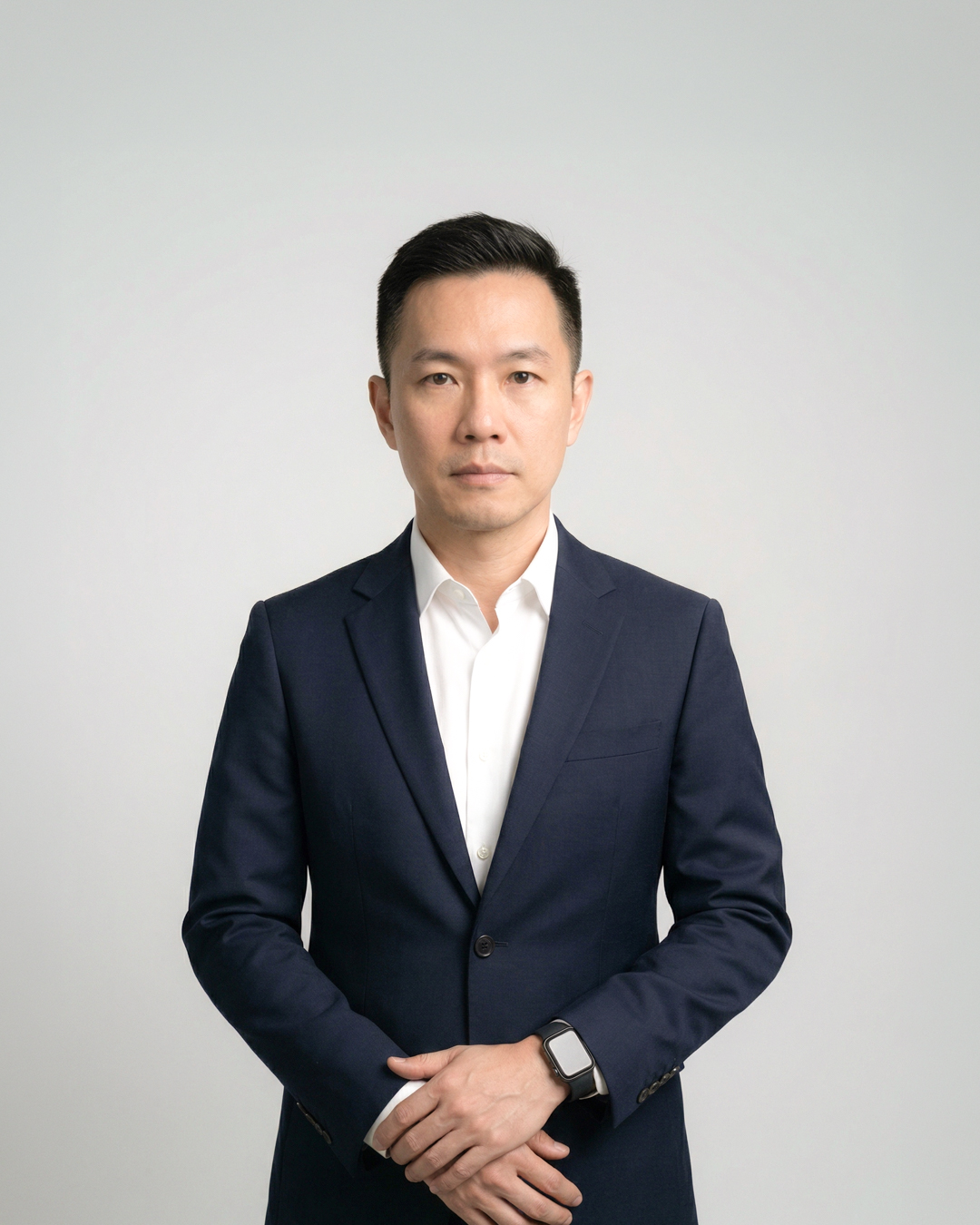
Raymond Tan Wei Liang(レイモンド・タン・ウェイリャン / 陳偉良)
(English translation follows below)
シンガポールという国は、何も生み出さない。
石油も出ない。農地もない。鉱物もない。
なのに、世界中のあらゆるものが、この島を通っていく。
朝、地下駐車場からエレベーターに乗る。
車内、ロビー、オフィス。
外気に触れる時間は、一日三分もない。
32階に着く。
同じ床。
同じ匂い。
同じ温度。
壁際に6枚のモニターが並んでいて、数百隻の船がそこを這っている。
マラッカ海峡。
スエズ運河。
パナマ運河。
喜望峰。
赤いライン。
青いライン。
遅延。
積み替え。
港の空き。
数字はいつも少し揺れていて、僕はその揺れを見ている。
何かを眺めているというより、何も起こらないようにしている感じに近い。
コンテナの中身を、僕はほとんど知らない。
南米のどこかから来た何か。
東南アジアの工場で組み立てられた何か。
アフリカの港で積み替えられた何か。
それは画面に入った瞬間、ただの箱になる。
40フィート。
ときどき20フィート。
重さと容積と目的港。
それだけ合っていれば、ちゃんと運べる。
祖父も、この港で働いていた。
綱を引いて、木箱を背負って、潮で肌を割りながら働いていたらしい。
僕はその話を一度しか聞いていない。
祖父は「そういう仕事だった」と言って、それで終わった。
その言い方だけ、まだ残っている。
三年前に離婚した。
元妻は、あなたの人生は最適化されすぎてる、と言った。
たぶん正しかったんだと思う。
無駄がないほうがいい。
早いほうがいい。
正確なほうがいい。
そう思っているうちに、会話の寄り道とか、少し機嫌の悪い夜とか、そういう処理しにくいものを、ずいぶん減らしてきた気がする。
息子はいまメルボルンにいる。
月に一度、画面越しに話す。
通話が切れると、自分の顔が黒い画面に少しだけ残る。
これも接続なんだな、と思う。
切れないように保っている。
それで足りているのかは、わからない。
夜、コンドミニアムに戻って、GrabFoodでチキンライスを頼む。
冷房は少し強い。
この島では、外にいるより、中にいる時間のほうがずっと長い。
22度。
そのくらいがいちばん、判断を狂わせない。
暑すぎない。
寒すぎない。
誰の声も荒くならない。
たぶん世界の流れは、そのくらいの温度でいちばんきれいに整理できる。
僕の感情も、そうなのかもしれない。
祖父の港には、22度なんてなかったはずだ。
もっと暑くて、もっと濡れていて、もっと身体に近かった。
いまの僕は、一本のコンテナにも触れずに、何万本も動かしている。
祖父が見ていたのと同じ海を、32階のガラス越しに見下ろしながら。
そういう仕事だ。
ほんとうに、それだけのはずなのに。
人はいつから、中身を知らないまま、こんなに丁寧に運べるようになるんだろう。
そして僕はもう、自分のことまで同じ手つきで扱っているんじゃないかと思う。
|1|
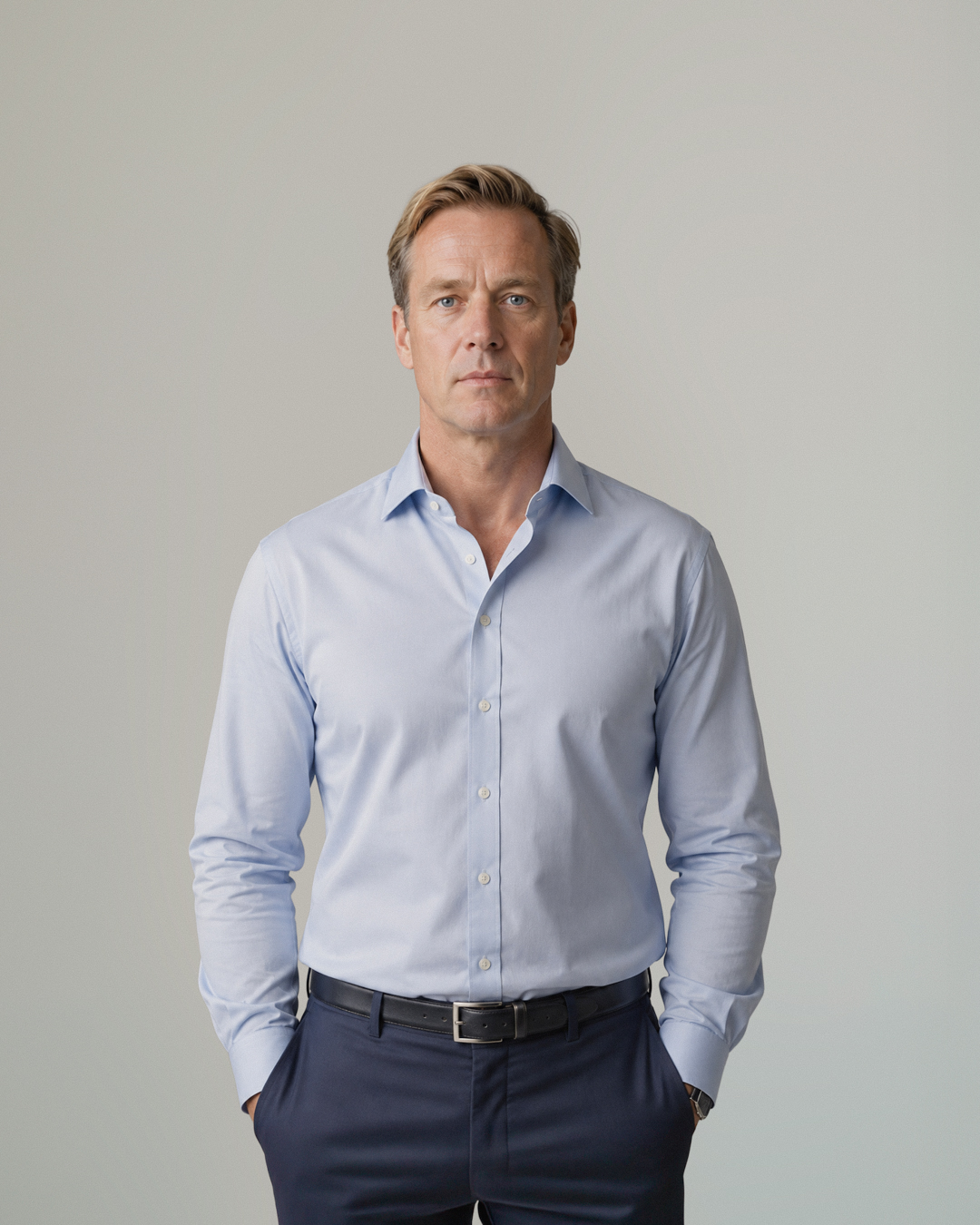
マリーナ・ベイを見下ろすオフィスビルの32階。室温は22度に保たれ、6枚の液晶モニターが青白い光を放っている。レイモンド・タン(48)はGrabで注文したコピ・オーの紙カップに口をつけながら、インド洋上を移動する382隻のコンテナ船の現在位置を目で追っている。画面上では、マラッカ海峡を通過中の巨大なコンテナ船が蔦の葉のように静かに滑り、スエズ運河周辺で滞留している船団が赤いドットの塊として点滅している。彼のタイトルは、欧州系海運企業のアジア太平洋地域ロジスティクス統括本部長。一日に彼が管理する貨物量は、数万TEU——20フィートコンテナ換算で数万本分の物質が、彼のクリックひとつで航路を変え、港を変え、届け先を変える。
|2|
シンガポールは世界第二位のコンテナ取扱量を誇る港湾都市国家である。東京23区とほぼ同じ面積のこの島に、年間3700万TEU以上の貨物が流入し、また流れ出していく。レイモンドはジュロン・イーストのHDBフラットで育った福建系移民の三世だ。NUS(シンガポール国立大学)で産業システム工学を学んだ後、ロンドンでMBAを取り、20代後半でこの業界に入った。かつて祖父が港湾の荷役として汗だくでロープを引いていた同じ海域を、いまレイモンドは冷房の効いた部屋からモニター越しに統括している。しかし彼が日々扱っているのは、あくまで数字だ。コンテナ一本の中身が南米から運ばれてきた鉱物資源なのか、砂漠に投棄される前の売れ残りの衣服なのか、あるいは誰かの家族に届く医薬品なのか——彼はほとんどの場合知らないし、知る必要もない。
|3|
午後9時、オフィスにはレイモンドとロッテルダム本社との通話音声だけが残っている。窓の向こうでマリーナ・ベイ・サンズの屋上プールが青く光り、ガーデンズ・バイ・ザ・ベイのスーパーツリーが紫色に脈動している。かつて妻が「あなたは地球のどの港にも行けるのに、この部屋から出ようとしない」と言ったことがある。離婚書類にサインしたのは、3年前だ。メルボルンに暮らす14歳の息子とは、月に一度のビデオ通話でだけ顔を見せ合う。レイモンドは通話を終え、デスクの上を整理し、GrabFoodで夕食のチキンライスを注文する。冷房の効いたオフィスのドアを閉め、冷房の効いたタクシーに乗り、冷房の効いたコンドミニアムに帰る。赤道直下のこの島で、彼が外気に触れる時間は、一日のうちおそらく3分にも満たない。
English
The Port at 22 Degrees
Singapore produces nothing.
No oil. No farmland. No minerals.
And yet, everything passes through this island.
In the morning, I take the elevator up from the basement car park.
Car. Lobby. Office.
I probably spend less than three minutes a day touching outside air.
I get to the thirty-second floor.
Same carpet.
Same smell.
Same temperature.
Six monitors line the wall, and hundreds of ships crawl across them.
The Strait of Malacca.
The Suez Canal.
The Panama Canal.
The Cape of Good Hope.
Red lines.
Blue lines.
Delays.
Transshipment.
Berth space.
The numbers move a little, always, and I watch that movement.
It feels less like watching something than making sure nothing happens.
I almost never know what is inside the containers.
Something from somewhere in South America.
Something assembled in a factory in Southeast Asia.
Something transshipped in a port in Africa.
The moment it enters my screen, it becomes just a box.
Forty-foot.
Sometimes twenty.
Weight, volume, destination.
If those line up, it moves.
My grandfather worked this port too.
He pulled ropes, carried wooden crates, worked until salt split his skin.
I only heard the story once.
He said, “That was the job,” and left it there.
Only that sentence stayed with me.
I got divorced three years ago.
My ex-wife said, your life is too optimized.
She was probably right.
Less waste is better.
Faster is better.
More accurate is better.
Somewhere in that logic, I think I reduced too many things that do not process neatly—detours in conversation, slightly bad nights, unnecessary words.
My son lives in Melbourne now.
We talk once a month through a screen.
When the call ends, my face stays for a moment in the black glass.
I think: this too is a kind of connection.
Maintained carefully.
Whether it is enough, I do not know.
At night I go back to the condominium and order chicken rice on GrabFood.
The air-conditioning is a little too strong.
On this island, I spend much more time inside than out.
Twenty-two degrees.
That is the temperature that least disturbs judgment.
Not too warm.
Not too cold.
No voices rising too sharply.
Maybe the flow of the world is easiest to organize at that temperature.
Maybe my feelings are too.
My grandfather’s port probably never had twenty-two degrees.
It must have been hotter, wetter, closer to the body.
Now I move tens of thousands of containers without touching a single one,
looking down through glass at the same sea he once saw.
That is the job.
It should be only that.
Still, sometimes I wonder when people learn to carry something so carefully without ever knowing what is inside.
And whether I have started handling myself the same way.
|1|
The 32nd floor of an office tower overlooking Marina Bay. The room temperature is held at 22 degrees Celsius, and six LCD monitors cast a blue-white glow. Raymond Tan (48) sips a kopi-O from a Grab-ordered paper cup, tracking the real-time positions of 382 container vessels moving across the Indian Ocean. On screen, a massive container ship gliding through the Strait of Malacca drifts like a slow ivy leaf, while a cluster of vessels stalled near the Suez Canal blinks as a mass of red dots. His title is Vice President of Asia-Pacific Logistics for a European shipping line. The volume of cargo he manages daily amounts to tens of thousands of TEUs—tens of thousands of twenty-foot containers' worth of physical matter, rerouted to different lanes, different ports, different destinations with a single click.
|2|
Singapore is a city-state boasting the world's second-largest container throughput. Into and out of this island—roughly the same area as Tokyo's twenty-three wards—flow more than 37 million TEUs of cargo per year. Raymond is the third-generation grandson of Hokkien immigrants, raised in an HDB flat in Jurong East. After studying Industrial and Systems Engineering at NUS (National University of Singapore), he earned an MBA in London and entered the industry in his late twenties. He now oversees, from an air-conditioned room and through a monitor, the same stretch of water where his grandfather once hauled ropes on the docks, drenched in sweat. Yet what Raymond handles every day is, in the end, only numbers. Whether the contents of a single container are mineral resources shipped from South America, unsold garments destined for desert dumpsites, or medicine bound for someone's family—he almost never knows, and has no need to.
|3|
At 9 PM, only Raymond and the voice on a call to Rotterdam's head office remain in the building. Beyond the window, the rooftop pool of Marina Bay Sands glows blue, and the Supertrees of Gardens by the Bay pulse in violet. His wife once told him, "You could go to any port on Earth, but you refuse to leave this room." He signed the divorce papers three years ago. His fourteen-year-old son, now living in Melbourne, shows his face only through a monthly video call. Raymond ends the call, tidies his desk, and orders chicken rice on GrabFood. He shuts the door of an air-conditioned office, gets into an air-conditioned taxi, and returns to an air-conditioned condominium. On this island straddling the equator, the total time he is exposed to the outside air in a given day is probably less than three minutes.
日本語本作に登場する人物・語りは、実在の個人に基づいたものではありません。設定・描写にあたっては、人物の文化背景、言語、歴史、現在の社会状況について文献・記録・当事者の語り等を調査し、それらをもとに構成・再構成し、物語として描いています。ただし、たとえ綿密なリサーチをもとにしていても、"他者の声を仮構すること"には構造的な危うさがあると私は考えています。この作品は、その危うさごと提出するための試みです。
EnglishThe characters and narratives presented here are not based on any real individuals.The setting and depiction are constructed and restructured through research into cultural backgrounds, languages, histories, and contemporary conditions—including archival sources and first-person accounts—and are rendered here as a narrative.However, even when grounded in careful research, I believe that fictionalizing the voice of another carries inherent structural risk.This piece is an attempt to present that risk itself—openly and with accountability.