.webp)


.png)


The Unchosen E.41
Lucía Vega Moreno(ルシア・ベガ・モレノ)
(English translation follows below)
7時、マラサーニャの部屋でMacBookを開く。
コーヒーはまだ薄い。カーテンの向こうでは、マドリードが起きる前の青い時間が、壁に貼りついている。
ダッシュボードには、昨夜アジアで動いたシグナルが並んでいる。
セージグリーンの着用率、0.8%上昇。
韓国のインフルエンサー圏で、オーバーサイズのバルーンスリーブが再浮上。
ボルドーのトーンは前週比で下降。
私の仕事は、この数字の群れから「次に売れるもの」を読むことだ。
正確に言えば——まだ誰も欲しがっていないものを、欲望として先に登録することだと思う。
モデルは毎日、数百万枚のInstagramとTikTokの画像を飲み込む。
色。シルエット。素材。袖の膨らみ。裾の長さ。肌の見せ方。バッグの持ち方。
人が無意識に選んだものを、機械は意識のような顔で分類する。
そして3週間後、もしくは4週間後に「来る」とされる色の名前を吐き出す。
セージグリーン。
バターイエロー。
ダスティローズ。
たったひとつの色名が、ポルトガルとトルコとバングラデシュの染色ラインを動かす。
何万メートルもの布が、まだ存在しない気分のために染められていく。
父はバレンシアで、小さな繊維工場をやっていた。
大きな工場ではなかった。
機械の音がうるさくて、夏は熱がこもって、床にはいつも糸くずが落ちていた。子どものころの私は、その糸くずを雪みたいだと思っていた。バレンシアに雪なんて、ほとんど降らないのに。
2008年に注文が消えた。
消えた、という言い方がいちばん近い。
電話が鳴らなくなり、倉庫に布が残り、父の背中が少しずつ小さくなった。
工場は閉じた。
私は統計学を学び、ロンドンでファッション予測を学び、この会社に入った。
父が手で触っていた布を、私はデータで触っている。
そう言うと、きれいに聞こえる。
だけど本当は、触っているふりをしているだけかもしれない。
週末、私はプラド美術館に行く。
年間パスを財布に入れているのは、節約のためでもあり、どこかに逃げ道を残しておくためでもある。
土曜の午前、マラサーニャの部屋はたいてい散らかっている。
乾ききらない黒いTシャツ。食べかけのオリーブ。充電器につながれたままのApple Watch。
洗濯機の中で、服が小さな波みたいに回っている。
その音を聞きながら、私は地下鉄に乗る。
誰かの香水。紙袋。観光客の声。
街には、買われたばかりの服を着た人たちが歩いている。
昨日までデータだったものが、今日は誰かの肩にかかっている。
地下鉄のガラスに映った女の子のシャツを見て、私はすぐに気づいた。
セージグリーン。
少し灰色を混ぜた、春の終わりみたいな緑。
先月、私のモデルが上昇シグナルとして拾った色だった。
韓国のインフルエンサー圏で着用率が伸び、Pinterestの保存数が跳ね、TikTokでは「quiet utility」というタグと一緒に増えていた。
私はそれをレポートの3ページ目に入れた。
そしていま、その色は目の前の誰かの肩にかかっている。
悪い気分ではなかった。
むしろ、少し嬉しかった。
数字はちゃんと街に出ている。
私の仕事は、ただスクリーンの中で完結しているわけじゃない。
でも次の瞬間、私はそのシャツの未来を考えていた。
何回洗われるのだろう。
何回、鏡の前で選ばれるのだろう。
いつから「もう違う」と思われるのだろう。
クローゼットの奥に押し込まれて、引っ越しの前日に黒い袋へ入れられて、それからどこへ行くのだろう。
その頃には、たぶん別の色が来ている。
別の誰かが、別の部屋で、別の朝の光を浴びながら、別のシャツを着ている。
鏡にスマートフォンを向けて、少しだけ顎を上げる。
#morningfit
#softminimal
#citygirl
私のモデルはそれを拾う。
彼女の袖の長さを、色の温度を、バッグの位置を、背景に映った観葉植物まで含めて、次のシグナルとして処理する。
彼女は自分の好きな服を着ている。
たぶん、本当にそうなのだと思う。
でもその「好き」は、どこから来たのだろう。
誰かの投稿から。
広告から。
昨日保存した画像から。
それとも、3週間前に私がレポートに入れた色から。
私はトレンドを予測している。
そう会社では言う。
だけど本当は、予測したものを現実にしている。
現実にしたものを、次の予測で古くしている。
今日の新しさは、明日の古さの準備でもある。
ひとつの色を上げることは、前の色を静かに押し下げることでもある。
誰かが「これが今っぽい」と感じた瞬間、別の誰かのクローゼットの中で、まだ着られる服が少しだけ息を止める。
インフルエンサーたちは、欲望を作っているように見える。
でも私には、彼女たちもまた、欲望に追い立てられているように見える。
毎朝、新しい自分を投稿しなければならない。
昨日の自分を、昨日の服を、昨日の顔を、少しずつ古くしながら。
地下鉄が揺れて、女の子の袖がふわっと膨らんだ。
バルーンスリーブ。
それも、私のレポートに入っていた。
私は目をそらした。
見たくなかったわけじゃない。
見えすぎるのが、少し嫌だった。
プラドに着くと、少しだけ息がしやすくなる。
ベラスケスの絵の前に立つ。
絵の中の布は、もう流行遅れにならない。
黒いドレスも、銀の刺繍も、子どものリボンも、誰かの袖のふくらみも、何百年もそこに残っている。
誰かに買われるためではなく。
誰かに保存されるためでもなく。
ただ、見られ続けるために。
彼は宮廷の欲望を描いた。
誰が何を着て、誰が誰を見ることを許され、誰が画面の端に置かれるのか。
そういうものを、光と布と沈黙で描いた。
私はマーケットの欲望を数字にしている。
誰が何を欲しがることになるのか。
誰がそれを買い、誰が縫い、誰が捨てるのか。
ダッシュボードは、そこまでは教えてくれない。
週に一度、会社のサステナビリティ・レポートの数字を確認する。
リサイクル率。CO₂排出量。水の消費量。回収プログラム。再生繊維。改善率。前年比。
数字はいつも整っている。
きれいな顔をしている。
少なくとも、スライドの上では。
でも、私の予測が外れて売れ残った服がどこへ行くのかは、そこには書かれていない。
セール棚に落ちるもの。倉庫に戻るもの。どこか別の市場へ流れるもの。裁断されるもの。燃やされるもの。名前を変えて、見えなくなるもの。
どこかへ行くのだろう。
データの外側へ。
日曜の夜、部屋に戻ると、干していたTシャツはまだ少し湿っている。
私はそれを椅子の背にかけ直して、冷蔵庫から昨日の残りのガスパチョを出す。
スマートフォンには、明日の朝のアラートがもう届いている。
Asia signal anomaly detected.
朝7時。
また新しいシグナルが上がる。
私はコーヒーを飲み、モデルを更新し、次の色を選ぶ。
セージグリーンはもう下降に入っていた。
来週のレポートでは、別の色を上げることになる。
昨日、プラドで見た黒いドレスを思い出す。
絵の中の布は、まだそこにあった。
少しも急いでいなかった。
私はカーソルを動かして、古いトレンドの列を非表示にする。
画面はすぐに整った。
そしてその白さの中で、ほんの一瞬だけ、父の工場の匂いがした。
|1|
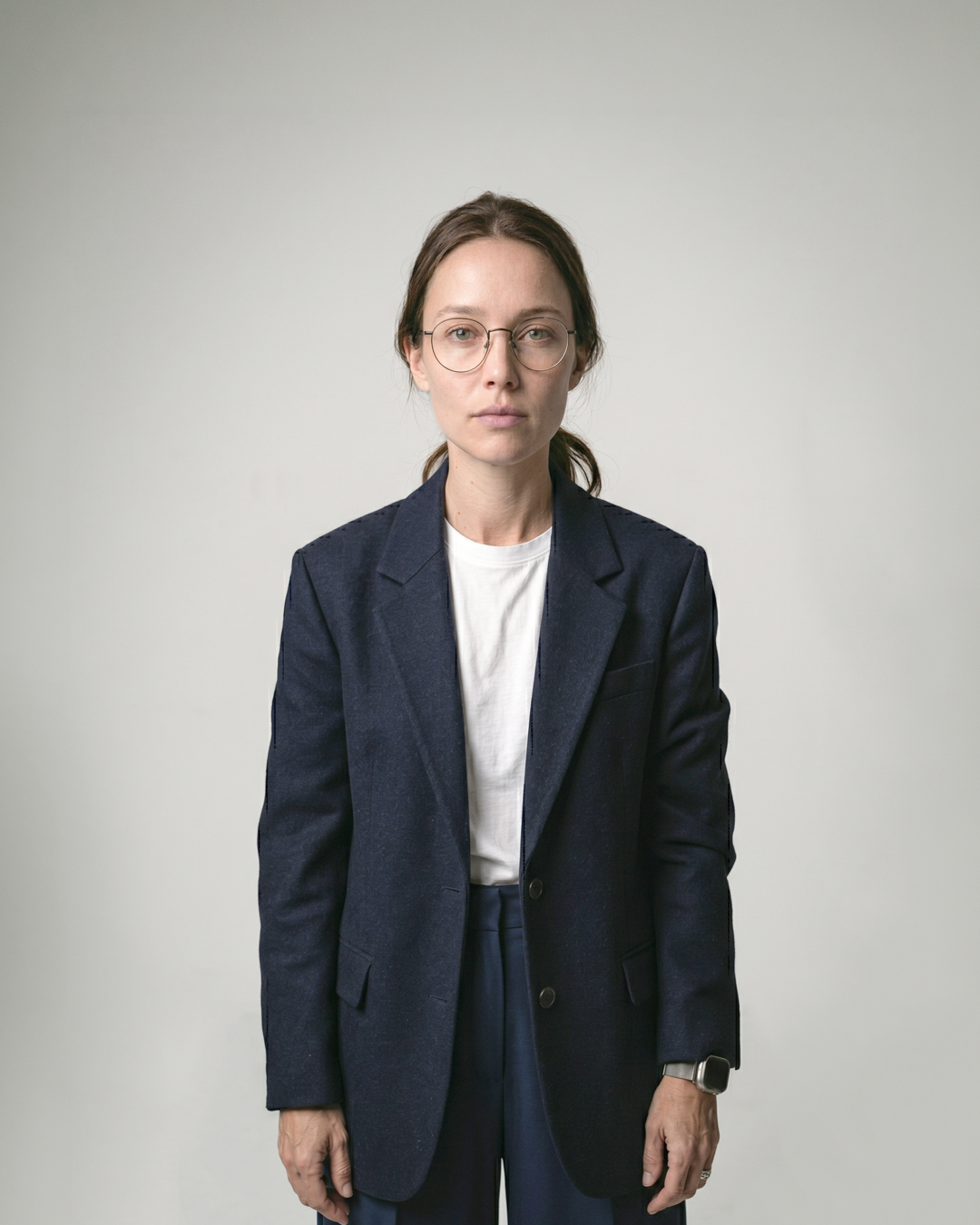
午前7時4分、マドリード。ルシア・ベガ・モレノ(31)はマラサーニャの自宅のキッチンカウンターでMacBookを開き、ダッシュボードにログインした。夜間のうちにアジア市場のソーシャルメディアで発生したトレンドシグナルが、色分けされたヒートマップとなって画面に広がっている。セージグリーンの着用率が前日比0.8%上昇。韓国のインフルエンサー圏でオーバーサイズのバルーンスリーブが再浮上。ボルドー系のトーンは2週連続の下降トレンド。テラコッタは安定。クリーム系が微増。ルシアはカフェ・コン・レチェを一口飲み、ダッシュボードの数字にハイライトをつけ、スプレッドシートに転記する。これが彼女の一日の始まり方だ。欲望をデータに翻訳すること。あるいは、データを欲望に翻訳すること。
|2|
ルシアは欧州最大のファストファッション・グループの「Consumer Insight & Trend Analytics」部門に所属するシニア・アナリストだ。マドリードのサテライトオフィスを拠点に、週に一度はガリシア州アルテイショの本社にAVE(高速鉄道)で日帰り出張する。彼女が設計し運用するAIモデルは、毎日数百万枚のInstagramとTikTokの画像をスクレイピングし、色彩パターン、シルエットの変化、素材テクスチャの出現頻度を解析する。そこから3〜4週間先のトレンドを予測し、レポートを本社のデザインチームとプロダクションチームに提出する。彼女のレポートが「セージグリーン」と出力すれば、2週間後にはポルトガル、トルコ、バングラデシュの染色工場で何万メートルもの生地がセージグリーンに染められ、ロールに巻かれて出荷される。彼女のレポートが「ボルドーは下降トレンド」と出力すれば、すでに染色が完了しているボルドーの在庫は発注量が削られ、棚に並ぶ期間が縮まり、セールに回され、やがてどこかへ消える。ルシアの仕事の射程は「予測」で終わる。消えた先は、データの外側だ。
父エンリケはバレンシアで小さな繊維工場を経営していた。染色と仕上げの専門工場で、従業員は30人ほど。ルシアが10歳のとき、工場に連れて行ってもらったことがある。巨大なステンレスの染色タンクから湯気が立ち上り、布が一枚ずつ色を吸い込んでいくのを見た。父は手を染料で紫色にしながら、「いい色だろう」と言った。2008年にリーマン・ショックが来て、スペインの繊維産業は壊滅した。父の工場は注文を失い、2010年に閉じた。その後、ルシアはマドリードのコンプルテンセ大学で統計学を学び、ロンドンのカレッジ・オブ・ファッションで「Fashion Futures」の修士号を取得した。父が手で触っていた布を、ルシアはデータで触っている。父の工場を潰したのと同じ構造の中に、ルシアは今いる。そのことを、ルシアは知っている。
|3|
夜8時40分。オフィスを出て、マラサーニャのバルのカウンターに座る。カーニャ(小さい生ビール)を頼み、スマートフォンでNetflixのドキュメンタリーを流す。今日はチリのアタカマ砂漠の環境問題に関するドキュメンタリーが表示されたが、サムネイルを見て指を止め、別の番組に切り替えた。砂漠に積み上げられた衣料の山の映像を、以前どこかで見たことがある。あれが何なのかは知っている。売れ残った衣料が世界中から集められ、中古衣料としてチリの自由貿易港に入り、買い手がつかなかったものがアタカマ砂漠の外れに投棄される。年間約39,000トン。ルシアのダッシュボードには、その数字は出てこない。彼女のモデルは「何が売れるか」を予測するために設計されている。「売れなかったものがどこへ行くか」は、モデルの変数に含まれていない。
週に一度、ルシアは会社のサステナビリティ・レポートの数値を確認することがある。リサイクル率、CO₂排出量、水の消費量、サプライチェーンの監査結果。数字はきれいに整理されている。パーセンテージは前年比で改善されている。レポートは「進捗」を示している。ルシアはそのレポートのデータが正確であることを知っている。そしてそのデータが、全体の何を映し、何を映していないかも、おそらく知っている。だが、それは彼女の業務範囲外だ。ルシアはデータを見ている。データの外側は見ていない。カーニャを飲み終えて、勘定を払い、マラサーニャの石畳を歩いて帰る。明日の朝7時、またダッシュボードを開く。昨夜のアジアのソーシャルメディアで、何かが0.数パーセント動いている。その数字を読み、レポートにし、工場に送る。布が染まる。棚に並ぶ。売れる。売れない。消える。消えた先のことは、データの外側にある。
English
At seven in the morning, I open my MacBook in my apartment in Malasaña.
The coffee is still weak. Beyond the curtain, the blue hour before Madrid wakes is stuck to the wall.
On the dashboard, signals that moved across Asia overnight are already lined up.
Sage green wear rate: up 0.8%.
Oversized balloon sleeves resurfacing in Korean influencer circles.
Bordeaux tones trending downward week over week.
My job is to read, from this swarm of numbers, what will sell next.
More precisely, I think, it is to register desire before anyone has realized they want it.
The model swallows millions of Instagram and TikTok images every day.
Color. Silhouette. Texture. The swelling of a sleeve. The length of a hem. The amount of skin shown. The way a bag is held.
Things people choose without thinking are classified by a machine wearing something like the face of consciousness.
Then, three or four weeks later, it spits out the names of colors that are supposed to arrive.
Sage green.
Butter yellow.
Dusty rose.
A single color name moves dye lines in Portugal, Turkey, and Bangladesh.
Tens of thousands of meters of fabric are dyed for a mood that does not yet exist.
My father used to run a small textile mill in Valencia.
It was not a large factory.
The machines were loud, the heat gathered in summer, and there were always scraps of thread on the floor. When I was a child, I thought those scraps looked like snow. Even though it almost never snows in Valencia.
In 2008, the orders disappeared.
Disappeared is the closest word.
The phone stopped ringing, fabric stayed in the warehouse, and my father’s back became smaller little by little.
The factory closed.
I studied statistics, then fashion forecasting in London, and joined this company.
The fabric my father touched with his hands, I touch with data.
Put like that, it sounds beautiful.
But maybe I am only pretending to touch it.
On weekends, I go to the Prado Museum.
I keep the annual pass in my wallet partly to save money, and partly because I want to leave myself an escape route.
On Saturday mornings, my apartment in Malasaña is usually a mess.
A black T-shirt that has not fully dried. Half-eaten olives. My Apple Watch still connected to its charger.
Inside the washing machine, clothes turn like small waves.
Listening to that sound, I take the metro.
Someone’s perfume. Paper shopping bags. Tourists’ voices.
In the city, people walk around in clothes they have just bought.
What was data yesterday is hanging on someone’s shoulders today.
I notice the girl’s shirt reflected in the metro window immediately.
Sage green.
A green with a little gray mixed in, like the end of spring.
Last month, my model picked it up as a rising signal.
Its wear rate was increasing in Korean influencer circles. Pinterest saves had jumped. On TikTok, it was appearing with the tag “quiet utility.”
I put it on page three of the report.
And now, that color is hanging on someone’s shoulders in front of me.
It did not feel bad.
Actually, I was a little happy.
The numbers had made it into the street.
My work was not ending inside the screen.
But in the next moment, I was already thinking about the future of that shirt.
How many times will it be washed?
How many times will it be chosen in front of a mirror?
When will someone start to feel that it is no longer right?
When will it be pushed to the back of a closet, dropped into a black bag the day before moving apartments, and then sent somewhere else?
By then, another color will probably have arrived.
Someone else, in another room, in another kind of morning light, will be wearing another shirt.
She will point her phone at the mirror and lift her chin just slightly.
#morningfit.
#softminimal.
#citygirl.
My model will pick it up.
The length of her sleeves, the temperature of the color, the position of her bag, even the houseplant reflected in the background — all of it will be processed as the next signal.
She is wearing clothes she likes.
I think that is probably true.
But where does that “like” come from?
From someone’s post.
From an advertisement.
From an image saved yesterday.
Or from a color I put into a report three weeks ago.
I forecast trends.
That is what the company says.
But really, I turn what I forecast into reality.
And then I make that reality old with the next forecast.
Today’s newness is also the preparation for tomorrow’s obsolescence.
To raise one color is also to quietly push down the color before it.
The moment someone feels, “This looks current,” a perfectly wearable piece of clothing in someone else’s closet holds its breath.
Influencers appear to be creating desire.
But to me, they also look as if they are being chased by it.
Every morning, they have to post a new self.
Making yesterday’s self, yesterday’s clothes, yesterday’s face a little older each time.
The metro shakes, and the girl’s sleeve swells softly.
Balloon sleeve.
That, too, was in my report.
I look away.
Not because I do not want to see it.
Because I can see too much.
When I arrive at the Prado, I can breathe a little more easily.
I stand in front of Velázquez.
The fabric inside the painting will no longer go out of style.
The black dresses, the silver embroidery, the children’s ribbons, the swelling of someone’s sleeve — they have remained there for hundreds of years.
Not to be bought by someone.
Not to be saved by someone.
Only to continue being seen.
He painted the desires of the court.
Who wore what. Who was allowed to look at whom. Who was placed at the edge of the image.
He painted those things with light, fabric, and silence.
I turn the desires of the market into numbers.
What someone will come to want.
Who will buy it, who will sew it, who will throw it away.
The dashboard does not tell me that much.
Once a week, I review the numbers for the company’s sustainability report.
Recycling rates. CO₂ emissions. Water consumption. Collection programs. Regenerated fibers. Improvement rates. Year over year.
The numbers are always orderly.
They have a clean face.
At least on the slides.
But where the clothes go when my forecast misses and they do not sell — that is not written there.
The ones that fall onto sale racks. The ones returned to warehouses. The ones sent to other markets. The ones cut apart. The ones burned. The ones that change names and disappear from sight.
They go somewhere.
Outside the data.
On Sunday night, when I come home, the T-shirt I hung out to dry is still slightly damp.
I drape it over the back of a chair again and take yesterday’s leftover gazpacho from the refrigerator.
My phone has already received tomorrow morning’s alert.
Asia signal anomaly detected.
Seven in the morning.
A new signal rises again.
I drink my coffee, update the model, and choose the next color.
Sage green has already entered decline.
In next week’s report, I will raise another color.
I think of the black dress I saw yesterday at the Prado.
The fabric inside the painting was still there.
It was not rushing at all.
I move the cursor and hide the column of old trends.
The screen becomes orderly at once.
And inside that whiteness, for just one moment, I smell my father’s factory.
|1|
7:04 AM, Madrid. Lucía Vega Moreno (31) opens her MacBook on the kitchen counter of her flat in Malasaña and logs into the dashboard. Trend signals that moved across Asian social media overnight spread across the screen in color-coded heatmaps. Sage-green wear rate up 0.8% day over day. Oversized balloon sleeves resurfacing among Korean influencer clusters. Bordeaux tones in a two-week downward trend. Terracotta holding steady. Cream shades ticking up. Lucía takes a sip of café con leche, highlights the numbers on the dashboard, and transfers them into a spreadsheet. This is how her day begins. Translating desire into data. Or translating data into desire.
|2|
Lucía is a senior analyst in the Consumer Insight & Trend Analytics division of Europe's largest fast-fashion group. Based in the Madrid satellite office, she commutes to headquarters in Arteixo, Galicia, once a week by AVE high-speed rail. The AI model she designed and operates scrapes millions of Instagram and TikTok images daily, analyzing color patterns, silhouette shifts, and fabric-texture frequency. From this, it forecasts trends three to four weeks ahead and submits reports to the design and production teams at headquarters. If her report outputs "sage green," within two weeks tens of thousands of meters of fabric are being dyed sage green in factories in Portugal, Turkey, and Bangladesh, rolled, and shipped. If her report outputs "bordeaux is trending down," the already-dyed bordeaux inventory has its order volumes cut, its shelf life shortened, its remnants routed to clearance, and eventually it vanishes somewhere. The range of Lucía's work ends at "prediction." Where the vanished goods go is outside the data.
Her father, Enrique, ran a small textile mill in Valencia. A specialist dyeing-and-finishing operation, roughly thirty employees. When Lucía was ten, he took her to the factory. Steam rose from enormous stainless-steel dye vats, and she watched bolts of fabric absorb color one by one. Her father's hands were stained purple with dye. "Nice color, isn't it?" he said. In 2008, the financial crisis hit and Spain's textile industry was devastated. Her father's mill lost its orders and closed in 2010. After that, Lucía studied statistics at the Complutense University of Madrid and earned a master's in Fashion Futures at the London College of Fashion. The fabric her father touched with his hands, Lucía touches with data. She now sits inside the same structure that destroyed her father's factory. She knows this.
|3|
8:40 PM. She leaves the office and sits at the counter of a bar in Malasaña. She orders a caña—a small draft beer—and streams a Netflix documentary on her phone. Today, a documentary about environmental issues in Chile's Atacama Desert appears on the screen, but she pauses at the thumbnail and switches to another show. She has seen images of clothing piled in the desert somewhere before. She knows what it is. Unsold clothing collected from around the world enters Chile's free-trade port as secondhand goods, and what finds no buyer is dumped on the outskirts of the Atacama Desert. Roughly 39,000 tons per year. That number does not appear on Lucía's dashboard. Her model is designed to predict what will sell. "Where unsold things go" is not a variable in the model.
Once a week, Lucía reviews the figures for the company's sustainability report. Recycling rates, CO₂ emissions, water consumption, supply-chain audit results. The numbers are neatly compiled. The percentages show year-on-year improvement. The report demonstrates "progress." Lucía knows the data in that report is accurate. And she probably knows what that data captures and what it does not. But that is outside her scope. Lucía looks at data. She does not look outside the data. She finishes her caña, pays the bill, and walks home along the cobblestones of Malasaña. Tomorrow morning at seven, she will open the dashboard again. Somewhere on Asian social media overnight, something will have moved by a fraction of a percent. She will read the number, write the report, send it to the factory. Fabric will be dyed. Placed on shelves. Sold. Not sold. Vanished. Where the vanished things go is outside the data.
日本語本作に登場する人物・語りは、実在の個人に基づいたものではありません。設定・描写にあたっては、人物の文化背景、言語、歴史、現在の社会状況について文献・記録・当事者の語り等を調査し、それらをもとに構成・再構成し、物語として描いています。ただし、たとえ綿密なリサーチをもとにしていても、"他者の声を仮構すること"には構造的な危うさがあると私は考えています。この作品は、その危うさごと提出するための試みです。
EnglishThe characters and narratives presented here are not based on any real individuals.The setting and depiction are constructed and restructured through research into cultural backgrounds, languages, histories, and contemporary conditions—including archival sources and first-person accounts—and are rendered here as a narrative.However, even when grounded in careful research, I believe that fictionalizing the voice of another carries inherent structural risk.This piece is an attempt to present that risk itself—openly and with accountability.