.webp)


.png)


The Unchosen A.36
Grace Dalisay(グレイス・ダリサイ)
(English translation follows below)
朝5時。
まだ外は薄暗くて、モロ教会の鐘も、鳴るには少し早い。
私は台所で米を洗う。
水の中で米粒がこすれる音を聞いていると、一日が始まるというより、昨日の続きをまた開いている感じがする。
炊飯器のスイッチを押して、弁当箱をふたつ並べる。マークには卵焼きと、昨日のアドボの残り。ジュリアンは脂身が嫌いだから、肉を細かくほぐして、ご飯に混ぜる。
子供の好みというのは、毎日見ていないと覚えられない。
そして私は、覚えてしまっている。
マークとジュリアンは、私の子供ではない。
姉のジョイの子供だ。
ジョイはカナダにいる。バンクーバーの、きれいな老人ホームで働いている。写真で見たことがある。大きな窓。白い壁。季節ごとに飾りつけられたロビー。そこに住むお年寄りたちは、たぶん、朝食にシリアルを食べる。
そのシリアルが、年に一度、私たちの家にも届く。
バリクバヤン・ボックス。
大きな段ボール箱。
遠い国から来た、生活のかたまり。
チョコレート。子供服。歯磨き粉。ビタミン剤。カナダ製のシリアル。
甥たちは箱を開けるたびに、クリスマスみたいな顔をする。実際、それは少しクリスマスに似ている。誰かがいないことを、物で埋める日。
箱の底には、いつも手紙が入っている。
「マークとジュリアンに。ママはもうすぐ帰るよ」
もうすぐ。
その言葉は、軽い。
軽いから、何年でも浮かんでいられる。
3年前も、同じことが書いてあった。
2年前も。
去年も。
私はその手紙を、甥たちに渡す前にひとりで読む。台所でも、寝室でもなく、だいたい洗濯物を干す場所のそばで読む。理由はよくわからない。風があるからかもしれないし、泣いたとしても「目にほこりが入った」と言えるからかもしれない。
泣かないためではない。
泣いてもいい場所を、先に作っておくためだ。
私は看護師の免許を持っている。
セントラル・フィリピン大学を出て、病院で3年働いた。白い制服を着て、血圧を測り、点滴を確認し、夜勤明けの体で朝のジプニーに乗った。月給は18,000ペソ。数字だけ見れば、お金はあるように見えた。
だけど数字は、家に帰るとすぐ細かくなる。
母の薬代。
甥たちの食費。
制服代。
教科書代。
電気代。
水道代。
自分のローン。
最後に残るのは、だいたい何もない。
何もない、というより、何も残してはいけない感じがした。
ジョイがカナダへ行ったあと、私は病院を辞めた。
誰かがマークとジュリアンを学校へ送らなければならなかった。誰かが母の昼食を作らなければならなかった。誰かが送金を受け取って、封筒の中のペソを、生活の名前ごとに分けなければならなかった。
その「誰か」は、気づいたら私だった。
今はバランガイのヘルスセンターで週3日働いている。血圧を測ったり、妊婦さんの記録をつけたり、赤ちゃんの体重を見たりする。看護師の仕事と呼ぶには、少し小さいのかもしれない。
でも、私はまだ白いポロシャツを着ている。
それだけで、自分に言い訳ができる日がある。
私はまだ、誰かをケアしている。
そう思える日がある。
夜、甥たちが寝たあと、スマートフォンを見る。
ジョイからのメッセージを見逃さないように、私はいつもスマートフォンを近くに置いている。食卓にも、台所にも、枕元にも。
カナダとの時差は16時間。
姉の朝が、私の夜になる。
画面の向こうで、ジョイはユニフォームを着て笑っている。背景には、私の知らない明るさがある。
「マーク、大きくなったね」
ジョイはそう言う。
マークは最近、画面に顔を出したがらない。
昔は「ママ!」と叫んでいたのに、今は宿題をしているふりをする。12歳の男の子にとって、画面の中の母親は、だんだん母親ではなくなっていくのかもしれない。
遠い人。
お金を送ってくれる人。
箱の底に手紙を入れる人。
そうなっていくのを、私は横で見ている。
止められない。
説明もできない。
ジョイだって、帰りたくないわけじゃない。そんなことはわかっている。カナダで朝早く起きて、知らない国の老人を起こし、服を着せ、食事を手伝い、夜には自分の子供に「もうすぐ帰る」と言う。
嘘ではないのだと思う。
でも、本当にもなりきれない。
生活には、そういう言葉がある。
嘘ではない。
でも、誰かを少しずつ疲れさせる言葉。
日曜日、私はミサへ行く。
銀の十字架を首にかけ、母の隣に座り、祈る。神さまに何をお願いしているのか、自分でもよくわからない。ジョイが帰れますように、なのか。ジョイが帰らなくても、私たちが壊れませんように、なのか。
たぶん、両方だ。
朝5時に米を炊き、弁当を作り、送金を受け取り、封筒に分け、子供の宿題を見て、スマートフォンを枕元に置く。
そうやって一日が終わる。
そしてまた、朝になる。
もうすぐ、という言葉を、私たちは何年持てるのだろう。
それは希望なのか。
それとも、帰ってこない人のために残された家族が、毎日少しずつ払っている利息なのか。
|1|
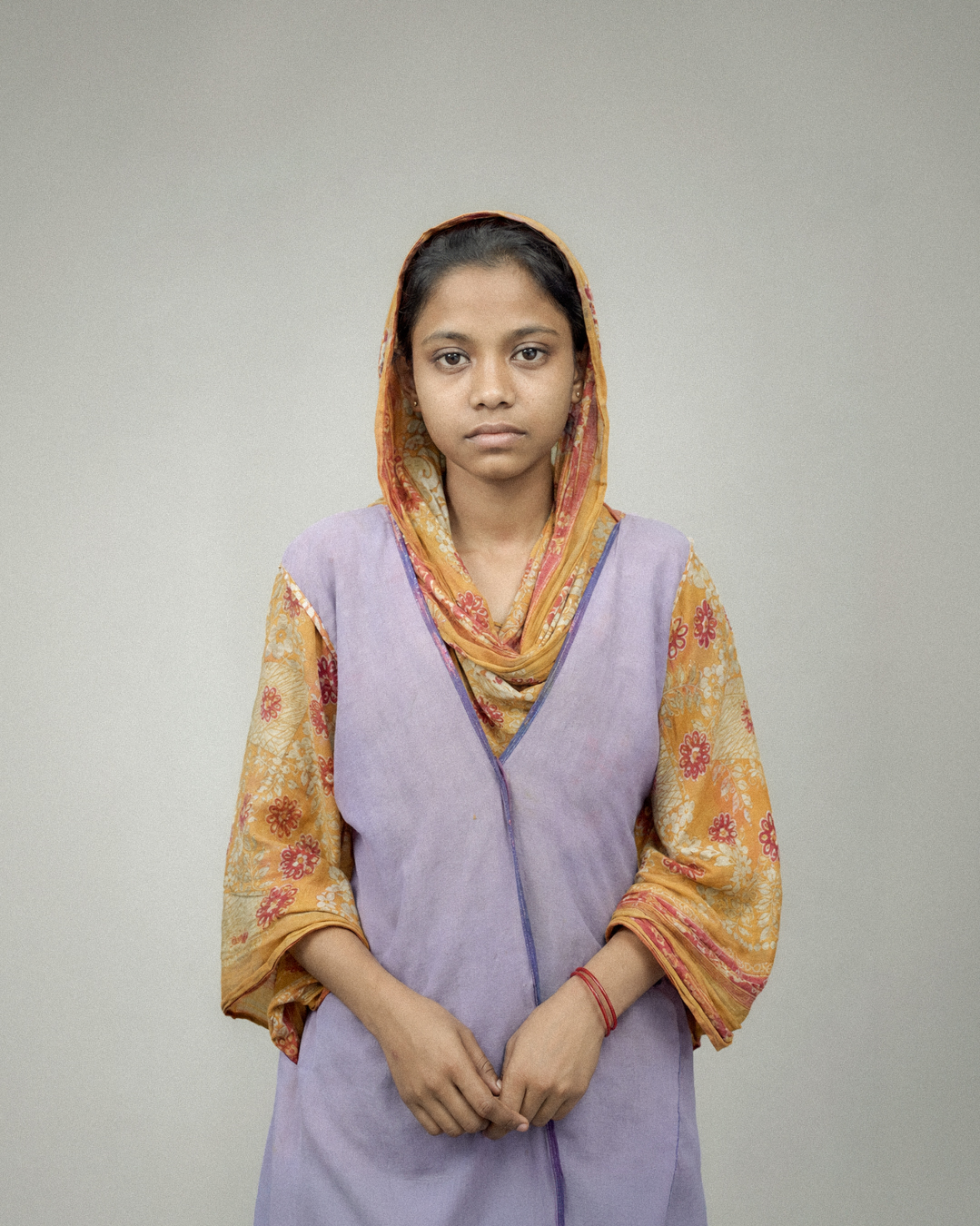
朝5時。まだ暗い。グレイス・ダリサイ(34)は台所の蛍光灯を引っ張って点け、ガスコンロに火をつけた。米を洗い、鍋に水を張る。イロイロ市モロ地区の、コンクリートブロックを積んだ二階建ての家。母が40年前から住んでいる家だ。1階は台所と居間を兼ねた空間で、壁には聖母マリアの額縁と、ジョイがカナダから送ってきた2年前のクリスマスカードが画鋲で留めてある。冷蔵庫のドアにはマークの算数のテストとジュリアンの図工の絵が磁石で貼られている。マークは12歳、ジュリアンは9歳。二人とも姉ジョイの子供だ。ジョイは4年前にカナダに渡った。バンクーバーのウェストバンクーバーにある高級リタイアメント・レジデンスで、カナダ人の高齢者のケアをしている。朝5時半に出勤し、テーブルをセットし、入居者の朝食を配り、薬を手渡し、リネンを替え、血圧を記録する。それがジョイの一日だ。そしてグレイスの一日は、ジョイが稼いだ金を受け取り、それを正しく分けることから始まる。
|2|
グレイスは看護師だ。正確に言えば、看護師だった。セントラル・フィリピン大学を2014年に卒業し、看護師国家試験に合格し、イロイロ市内の私立病院で3年間働いた。内科病棟の夜勤が多かった。月給は₱18,000。当時のレートで約4万円。母エストレラの高血圧と糖尿病の薬代、甥たちの学費と食費、自分の学費ローンの返済を引くと、手元にはほとんど何も残らなかった。ジョイがカナダに行ったとき、選択肢は二つだった——病院で働き続けて甥たちをベビーシッターに預けるか、病院を辞めて甥たちの面倒を見るか。ベビーシッター代は月₱5,000。グレイスの手取りの3分の1近くが消える計算だった。辞めた。今はモロ地区のバランガイ・ヘルスセンターで週3日だけ働いている。妊婦の体重を測り、母子手帳に数字を記録し、年配の住民の血圧を測る。月収は₱8,000。白いポロシャツを着て聴診器を首にかけているが、病院の看護師としてのスキルは、使う場所を失って久しい。
|3|
毎月15日前後に、送金が届く。ジョイの月給CA$3,200のうち、CA$800〜1,000がイロイロに流れてくる。グレイスはGCashのアプリで着金を確認するか、Western Unionの窓口に並ぶ。窓口の女性は顔見知りで、もう何も聞かない。ペソの束を封筒に入れて鞄にしまい、家に帰ると台所のテーブルに座り、ノートを開く。今月の内訳。電気代₱2,800。水道代₱450。マークの制服代₱1,200。ジュリアンの教科書代₱650。母の薬代₱3,500。米20キロ₱1,100。ガス代₱600。数字を足す。足りないときは、足りないなりに分ける。母の薬を半量にするわけにはいかないから、自分の出費を削る。自分の出費といっても、もう削るものはほとんどない。ビーチサンダルのストラップが切れたら、ゴムで結んでもう半年持たせる。
夜10時。甥たちが2階で寝ている。母も寝室に引き上げた。グレイスは台所の椅子に座り、スマートフォンでジョイにビデオ通話をかける。カナダとの時差は16時間。グレイスの夜10時は、ジョイの朝6時だ。画面の向こうで、ジョイはユニフォームに着替えながら髪を束ねている。「マーク、元気?」。グレイスは甥たちの様子を伝える。算数のテストで87点を取ったこと。ジュリアンが学校でバスケットボールのチームに入りたいと言い出したこと。ジョイは笑う。「バスケ! あの子、私に似て背が低いのに」。笑いのあと、少し沈黙がある。ジョイが聞く。「お金、足りてる?」。グレイスは「大丈夫」と答える。大丈夫ではないときも、そう答える。それが姉妹の間の暗黙のルールになっている。ジョイがこれ以上自分を追い込まないように。ジョイはバンクーバーで月CA$1,800の家賃のワンルームに住み、二つのシフトを掛け持ちしている。彼女も削っている。
年に一度、12月になると、バリクバヤン・ボックスが届く。段ボール箱一つ分のカナダ。中身はケロッグのシリアル、キットカットのバラエティパック、マークとジュリアン用のウィンタージャケット(イロイロでは使わないが、甥たちは喜ぶ)、コルゲートの歯磨き粉、セントラムのビタミン剤。箱の底に、ジョイの手書きのメモが入っている。毎年同じ便箋、同じ青いボールペン。「マークとジュリアンに。ママはもうすぐ帰るよ。いい子にしててね。ジョイより」。グレイスはいつも、甥たちに渡す前に一人で先にその手紙を読む。泣かないためではない。泣いてもいい場所を、先に作っておくためだ。手紙を読み終えて、折り畳んで、封筒に戻す。それから甥たちを呼ぶ。「箱、開けるよ」。マークとジュリアンが階段を駆け下りてくる。クリスマスの朝のように目を輝かせて。グレイスは微笑む。ジョイの代わりに微笑む。ジョイの代わりに弁当を作り、ジョイの代わりに宿題を見て、ジョイの代わりに子供たちのそばにいる。そしてジョイは、グレイスの代わりにカナダで老人の血圧を測り、シーツを替え、「おはようございます、ミスター・マクラウド」と微笑んでいる。姉妹は分業している。一人の人生を二つの身体で生きている。海を挟んで。

English
TFive in the morning.
Outside, it is still dim, too early even for the bells of Molo Church.
I stand in the kitchen and wash the rice.
When I listen to the grains rubbing against each other under the water, it does not feel like a new day is beginning. It feels more like I have opened yesterday again.
I press the switch on the rice cooker and line up two lunch boxes. For Mark, fried egg and leftover adobo. Julian does not like the fatty parts, so I shred the meat finely and mix it into his rice.
A child’s preferences are something you only remember if you see them every day.
And I have remembered.
Mark and Julian are not my children.
They are my sister Joy’s children.
Joy is in Canada. She works at a clean retirement home in Vancouver. I have seen photos. Big windows. White walls. A lobby decorated for each season. The old people who live there probably eat cereal for breakfast.
That same cereal arrives at our house once a year.
A balikbayan box.
A large cardboard box.
A lump of life sent from a faraway country.
Chocolates. Children’s clothes. Toothpaste. Vitamins. Canadian cereal.
Every time the boys open the box, their faces look like Christmas morning. In a way, it is a little like Christmas. A day when someone’s absence is filled with things.
At the bottom of the box, there is always a letter.
“For Mark and Julian. Mama will be home soon.”
Soon.
It is a light word.
Because it is light, it can keep floating for years.
The same words were there three years ago.
Two years ago, too.
Last year, too.
Before I give the letter to the boys, I always read it alone. Not in the kitchen, not in the bedroom, but usually near the place where we hang the laundry. I do not really know why. Maybe because there is wind there. Maybe because, if I cry, I can say dust got in my eyes.
Not because I am trying not to cry.
Because I need to make a place where it is all right to cry first.
I have a nursing license.
I graduated from Central Philippine University and worked at a hospital for three years. I wore a white uniform, took blood pressure, checked IV drips, and rode a jeepney home in the morning after night shifts. My salary was 18,000 pesos a month. If you only looked at the number, it seemed like money existed.
But numbers become small once they come home.
Mama’s medicine.
The boys’ food.
Uniforms.
Textbooks.
Electricity.
Water.
My own loan.
What was left at the end was usually nothing.
Or rather, it felt like I was not allowed to leave anything for myself.
After Joy went to Canada, I quit the hospital.
Someone had to take Mark and Julian to school. Someone had to cook lunch for Mama. Someone had to receive the remittance and divide the pesos inside the envelope into the names of our life.
That “someone” became me before I noticed.
Now I work three days a week at the barangay health center. I take blood pressure, write down prenatal records, weigh babies. Maybe it is too small to be called nursing.
But I still wear a white polo shirt.
Some days, that is enough to excuse myself.
I am still caring for someone.
Some days, I can believe that.
At night, after the boys have gone to sleep, I look at my phone.
I keep it near me so I do not miss Joy’s messages. On the table, in the kitchen, beside my pillow.
The time difference with Canada is sixteen hours.
My sister’s morning becomes my night.
On the other side of the screen, Joy smiles in her uniform. Behind her is a brightness I do not know.
“Mark has gotten so big,” she says.
These days, Mark does not want to show his face on the screen.
He used to shout, “Mama!” But now he pretends to be doing homework. For a twelve-year-old boy, maybe a mother inside a screen slowly stops being a mother.
A distant person.
A person who sends money.
A person who puts letters at the bottom of a box.
I watch that happen from beside him.
I cannot stop it.
I cannot explain it either.
It is not that Joy does not want to come home. I know that. She wakes early in Canada, wakes up old people in a country she does not know, helps them get dressed, helps them eat, and at night tells her own children, “I’ll be home soon.”
I do not think it is a lie.
But it cannot quite become the truth either.
There are words like that in life.
Not lies.
But words that slowly tire someone out.
On Sundays, I go to Mass.
I wear my silver cross, sit beside Mama, and pray. I do not really know what I am asking God for. Maybe for Joy to come home. Maybe for us not to break even if she does not.
Probably both.
I cook rice at five in the morning, make lunch boxes, receive remittances, divide money into envelopes, help with homework, and place my phone beside my pillow.
That is how the day ends.
And then morning comes again.
How many years can we keep holding the word “soon”?
Is it hope?
Or is it the interest the family left behind must keep paying, little by little, for someone who has not come home?
|1|
Five in the morning. Still dark. Grace Dalisay (34) pulls the cord on the kitchen fluorescent light and strikes the gas stove. She washes the rice and fills the pot with water. A two-story house of stacked concrete blocks in the Molo district of Iloilo City. The house her mother has lived in for forty years. The ground floor is a combined kitchen and living area. On the wall hang a framed image of the Virgin Mary and a Christmas card Joy sent from Canada two years ago, pinned with a thumbtack. On the refrigerator door, magnets hold Mark's math test and Julian's art-class drawing. Mark is twelve, Julian is nine. Both are the children of her older sister Joy. Joy left for Canada four years ago. She works at a luxury retirement residence in West Vancouver, caring for elderly Canadians. She arrives at 5:30 AM, sets the tables, serves breakfast, hands out medication, changes the linens, records blood pressure. That is Joy's day. And Grace's day begins with receiving the money Joy earns, and dividing it correctly.
|2|
Grace is a nurse. More precisely, she was a nurse. She graduated from Central Philippine University in 2014, passed the national nursing licensure exam, and worked for three years in a private hospital in Iloilo City. She was often assigned night shifts on the internal-medicine ward. Her monthly salary was ₱18,000—roughly 360 US dollars at the time. After subtracting her mother Estrella's hypertension and diabetes medication, the boys' tuition and food, and her own student-loan repayments, almost nothing remained. When Joy left for Canada, there were two choices: keep working at the hospital and hire a babysitter for the boys, or quit the hospital and look after the boys herself. A babysitter cost ₱5,000 a month—nearly a third of Grace's take-home pay. She quit. Now she works three days a week at the Molo barangay health center. She weighs pregnant women, writes numbers in maternal-care booklets, and measures elderly residents' blood pressure. Her monthly income is ₱8,000. She wears a white polo shirt and hangs a stethoscope around her neck, but her skills as a hospital nurse have long since lost the place where they might be used.
|3|
Around the 15th of every month, the remittance arrives. Of Joy's monthly salary of CA$3,200, between CA$800 and CA$1,000 flows to Iloilo. Grace checks the GCash app for the deposit or queues at the Western Union counter. The woman at the window knows her face by now and no longer asks questions. Grace puts the bundle of pesos into an envelope, tucks it in her bag, goes home, sits at the kitchen table, and opens a notebook. This month's breakdown. Electricity ₱2,800. Water ₱450. Mark's uniform ₱1,200. Julian's textbooks ₱650. Mama's medication ₱3,500. Twenty kilos of rice ₱1,100. Gas ₱600. She adds the numbers. When it is not enough, she divides it as best she can. She cannot halve Mama's medication, so she cuts her own expenses. Though by now, there is almost nothing left to cut. When the strap of her sandal snaps, she ties it with a rubber band and makes it last another six months.
Ten at night. The boys are asleep upstairs. Mama has retired to her room. Grace sits in the kitchen chair and video-calls Joy on her phone. The time difference with Canada is sixteen hours. Grace's 10 PM is Joy's 6 AM. On the screen, Joy is tying her hair back while changing into her uniform. "How's Mark?" Grace reports on the boys. He scored 87 on a math test. Julian says he wants to join the school basketball team. Joy laughs. "Basketball! That kid's short like me." After the laughter, a brief silence. Joy asks, "Is the money enough?" Grace says, "We're fine." She says this even when they are not fine. It has become an unspoken rule between the sisters—so that Joy won't push herself any harder. Joy lives in a CA$1,800-a-month studio in Vancouver and works double shifts. She is cutting, too.
Once a year, in December, the balikbayan box arrives. One cardboard box's worth of Canada. Inside: Kellogg's cereal, a KitKat variety pack, winter jackets for Mark and Julian (useless in Iloilo, but the boys are thrilled), Colgate toothpaste, Centrum vitamins. At the bottom of the box, a handwritten note from Joy. The same stationery every year, the same blue ballpoint pen. "For Mark and Julian. Mama will be home soon. Be good. Love, Joy." Grace always reads the letter alone before handing it to the boys. Not so she won't cry. So she can find a place to cry first. She finishes reading, folds it, and puts it back in the envelope. Then she calls the boys. "Time to open the box." Mark and Julian come thundering down the stairs, eyes bright as Christmas morning. Grace smiles. She smiles in Joy's place. She makes lunchboxes in Joy's place, checks homework in Joy's place, sits beside the children in Joy's place. And Joy, in Grace's place, measures an old man's blood pressure in Canada, changes the sheets, and smiles: "Good morning, Mr. Macleod." The sisters have divided the labor. They are living one life in two bodies. With an ocean between them.
日本語本作に登場する人物・語りは、実在の個人に基づいたものではありません。設定・描写にあたっては、人物の文化背景、言語、歴史、現在の社会状況について文献・記録・当事者の語り等を調査し、それらをもとに構成・再構成し、物語として描いています。ただし、たとえ綿密なリサーチをもとにしていても、"他者の声を仮構すること"には構造的な危うさがあると私は考えています。この作品は、その危うさごと提出するための試みです。
EnglishThe characters and narratives presented here are not based on any real individuals.The setting and depiction are constructed and restructured through research into cultural backgrounds, languages, histories, and contemporary conditions—including archival sources and first-person accounts—and are rendered here as a narrative.However, even when grounded in careful research, I believe that fictionalizing the voice of another carries inherent structural risk.This piece is an attempt to present that risk itself—openly and with accountability.