.webp)


.png)


The Unchosen U.18
Gordon Macleod(ゴードン・マクラウド)
(English translation follows below)
マーガレットが死んでから、朝が長くなった。
6時に目が覚める。
カーテンの隙間から、まだ薄い光が入ってくる。
隣に誰もいないことを確認する。
もう3年になる。
それでも毎朝、身体は一度だけ間違える。
誰かの寝息を探すように、少しだけ横を向く。
そこには、きれいに整ったシーツがあるだけだ。
ウェストバンクーバーの海沿いのレジデンスに移ったのは、子供たちの提案だった。
「パパ、あの家は一人で維持するには大きすぎるよ」
息子はそう言った。
たしかに、その通りだった。
芝刈り。
雨樋の掃除。
地下室のサンプポンプ。
冬になる前の暖炉の点検。
マーガレットがいた頃は、そういう面倒ごとも、生活の輪郭だった。
彼女が死んでから、それらはただの作業になった。
そして作業は、年を取った身体には、少しずつ敵になる。
私はハミルトンの鉄鋼労働者の息子だった。
父は毎朝、黒い弁当箱を持って家を出た。
母は彼の作業着についた鉄の匂いを、黙って洗っていた。
そこからUBCへ行き、ベイ・ストリートに入り、30年ほど数字を動かした。
株価、利回り、配当、年金基金。
人の老後を計算しながら、自分の老後については、あまり考えていなかった。
最後にたどり着いたのは、月9,500ドルで「すべてを誰かにやってもらえる」場所だった。
朝、ダイニングルームへ降りると、ジョイがテーブルをセットしている。
「おはようございます、ミスター・マクラウド」
彼女はいつも私より先にいる。
こちらが眠れなかった朝も。
雨で海が灰色の日も。
エレベーターの鏡に映る自分の顔が、父に似てきたと思う朝も。
ジョイは、いつも先にいる。
私はオートミールにメープルシロップを少し垂らす。
ブラックコーヒーを飲みながら、Globe and Mailを開く。
今日も一面には住宅価格の記事が出ていた。
バンクーバーの平均住宅価格が、CA$1.2Mを超えたらしい。
私はウェストバンクーバーの家を1992年に買った。
CA$480,000だった。
売ったのは2年前。
CA$3.5Mだった。
数字は正直だ。
少なくとも、そういう顔をしている。
けれど、ときどき思う。
正直なのは数字ではなく、数字を信じてきた私たちのほうだったのかもしれない。
午後、ロビーでハロルドとチェスを指す。
彼は元内科医で、私より5つ年上だ。
「ゴードン、俺たちの世代はラッキーだったよ」
彼はよくそう言う。
そうかもしれない。
私たちは、上がっていく時代の階段に、うまく足をかけた。
石油株が上がった。
REITが配当を出した。
年金基金は膨らんだ。
住宅は、住む場所であると同時に、資産になった。
その恩恵を受けたのは私だった。
私のクライアントもそうだった。
マーガレットと私は世界中を旅した。
パリで道に迷い、京都で雨に降られ、サンタフェで彼女が赤いスカーフを買った。
子供たちを大学にやった。
家族写真の中の私は、いつも少し得意げな顔をしている。
悪い人生ではなかった。
いや、かなり良い人生だったのだと思う。
窓の向こうでは、バラード・インレットが光っている。
午後の海は、まるで何も知らないみたいに静かだ。
夕食後、部屋に戻る途中で、廊下でジョイとすれ違った。
彼女はまだ働いていた。
朝もいた。
夜もいる。
「お疲れさま、ジョイ」
私はそう言った。
彼女は微笑んで、小さくうなずいた。
それだけだった。
私は彼女のことを、ほとんど知らない。
どこに住んでいるのか。
何時に家を出ているのか。
この後、どれくらいかけて帰るのか。
家族はいるのか。
子供はいるのか。
彼女が朝、誰かのためにテーブルを整える前に、自分の朝食を食べているのかどうか。
知らない。
知るべきなのかもしれない。
でも、聞いたことがない。
私は部屋に戻る。
ドアを閉める。
窓の外で、海がまだ光っている。
月9,500ドルの安心の中で、私は今日も、誰かの時間の上に静かに座っている。
それを幸運と呼ぶのか。
それとも、別の名前があるのか。
|1|
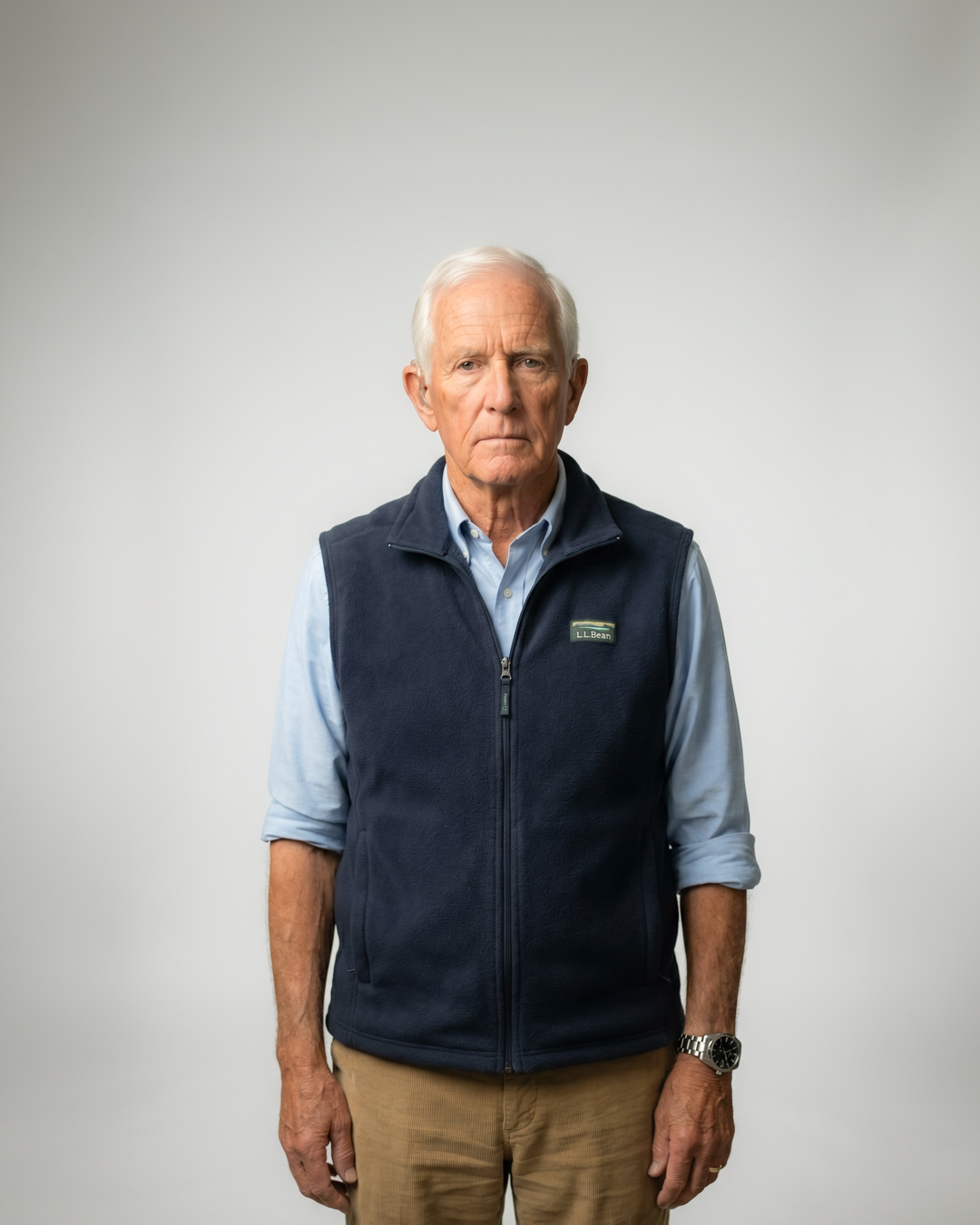
午前6時2分。ゴードン・マクラウド(78)の目が開く。天井の色は白い。3年前までは、目を開けると最初に見えたのはマーガレットの後頭部だった。白髪まじりの茶色い髪。寝返りの形がシーツに残り、枕にはラベンダーのピローミストの匂いがわずかに残っていた。今は何もない。天井が白いだけだ。ウェストバンクーバーの海沿いに建つリタイアメント・レジデンス「Amica at the Shore」、3階、305号室。窓のブラインドの隙間から、バラード・インレットの朝の光が細い線になって床に届いている。ゴードンはベッドの右側で体を起こす。左側は空いている。シーツは乱れていない。
|2|
ダイニングルームに降りると、ジョイがすでにテーブルの準備を終えていた。フィリピン出身のケアワーカー。毎朝5時半にはレジデンスに入り、朝食の配膳を手伝い、入居者の健康チェックリストを巡回し、食後の薬を手渡す。「おはようございます、ミスター・マクラウド」。彼女の英語には、ビサヤ語訛りの柔らかい母音がまだ残っている。ゴードンはいつものように微笑み、「おはよう、ジョイ。今日も早いね」と答える。オートミールにメープルシロップを少し垂らし、ブラックコーヒーを一口飲み、Globe and Mailの紙面版を広げる。今日の一面は住宅価格だった。バンクーバーの平均住宅価格がCA$1.2Mを超えたという記事。ゴードンはかつてウェストバンクーバーのウォーターフロントに家を持っていた。1992年にCA$480,000で買った。マーガレットと40年暮らし、子供たちを育て、庭のダグラスファーの影でサーモンを焼いた。2年前にCA$3.5Mで売った。730%の値上がり。ゴードンは数字に強い。30年間、ベイ・ストリートで年金基金のポートフォリオを回してきた人間だ。石油株、REIT、北米インフラファンド。数字は嘘をつかない——と、彼はずっと信じてきた。その信条の通りに資産を積み上げ、妻を看取り、家を売り、このレジデンスの月額CA$9,500の部屋に落ち着いた。すべてが正しい順序で行われた。
|3|
午後、ロビーのラウンジでハロルドとチェスを指す。ハロルド・ヤングは元内科医、83歳。ゴードンより少し手が震えるが、ルークの使い方は容赦がない。「ゴードン、俺たちの世代はラッキーだったよ」。ハロルドがビショップを動かしながら言った。ゴードンは黙ってナイトを進める。ラッキーだったのかもしれない。UBCを卒業した1970年、カナダ経済はまだ拡張期にあった。仕事はあった。住宅は買えた。年金制度は機能していた。30年間、毎朝ベイ・ストリートのオフィスに通い、ファンドの利回りを0.3%上げるために神経を使った。リスクを計算し、配当を最適化し、クライアントの老後を設計した。そしてクライアントたちよりも先に、自分の老後を完成させた。窓の外を見る。バラード・インレットの水面に午後の光が散っている。対岸のノースショアの山々は、この時間になると青みがかった灰色に沈む。穏やかだ。完璧に穏やかだ。チェスの駒を一つ動かすたびに、時計の針が静かに回る音がする。それ以外に、急ぐ理由は何もない。
夕食後、部屋に戻る廊下でジョイとすれ違った。彼女はまだユニフォームを着ていた。「お疲れさま、ジョイ」。ゴードンは立ち止まって言った。ジョイは微笑み、小さくうなずいた。「ありがとうございます、ミスター・マクラウド。おやすみなさい」。彼女はリネンのカートを押して、次の部屋へ向かった。ゴードンは自分の部屋に入り、ドアを閉め、ベッドサイドの読書灯をつけた。ダニエル・カーネマンの『Noise』を開く。169ページ。人間の判断にはノイズがある——本来同じであるべき判断が、判断者によって異なる結果を出すという構造的な問題。ゴードンはその議論に惹かれている。数字を扱ってきた人間として、ノイズは敵だった。投資判断からノイズを排除することが、彼の仕事の核だった。そしてこのレジデンスもまた、ノイズのない場所として設計されている。温度は一定、食事は定時、ケアは行き届いている。すべてが計算通りに動いている。ジョイが毎朝5時半に来ること。シーツが毎週火曜に替えられること。ゴードンの血圧が毎月記録されること。それらはすべて、誰かが設計した秩序であり、誰かが身体を使って維持している秩序だ。ゴードンはそのことを知っている。知っているが、それ以上は踏み込まない。ジョイがこの後バスに乗ってどこへ帰るのか。給料の何割を海の向こうの家族に送っているのか。彼女の姉妹がどこで何をしているのか。聞いたことがない。聞くべきなのかもしれない。でも、聞かないまま、本を閉じる。読書灯を消す。窓の外で、バラード・インレットの水面がかすかに光っている。正しい順序で老いていく。正しい温度で眠りにつく。正しさの中に、ゴードンは静かに沈んでいく。
English
Since Margaret died, mornings have grown longer.
I wake at six.
A thin light slips through the curtains.
I turn to confirm that no one is beside me.
It has been three years.
Still, every morning, my body makes the same mistake once.
I turn slightly, as if searching for someone’s breathing.
There is only a neatly made sheet.
Moving to a waterfront residence in West Vancouver was the children’s idea.
“Dad, that house is too big for one person to maintain.”
My son said it.
He was right.
The lawn.
The gutters.
The sump pump in the basement.
The fireplace inspection before winter.
When Margaret was alive, even those small burdens were part of the shape of life.
After she died, they became tasks.
And tasks, for an aging body, slowly become enemies.
I was the son of a steelworker from Hamilton.
Every morning, my father left the house carrying a black lunch pail.
My mother washed the iron smell out of his work clothes without saying much.
From there, I went to UBC, then to Bay Street, and spent roughly thirty years moving numbers.
Stock prices, yields, dividends, pension funds.
I calculated other people’s retirements while rarely thinking about my own.
In the end, I arrived at a place where everything is done for you, for $9,500 a month.
In the morning, when I go down to the dining room, Joy is setting the tables.
“Good morning, Mr. Macleod.”
She is always there before me.
On mornings when I have not slept.
On mornings when the rain turns the ocean gray.
On mornings when I catch my reflection in the elevator mirror and think I am beginning to look like my father.
Joy is always there first.
I drizzle a little maple syrup over my oatmeal.
I drink black coffee and open The Globe and Mail.
Today, again, there is a front-page story about housing prices.
Apparently, Vancouver’s average home price has passed CA$1.2M.
I bought my West Vancouver house in 1992.
CA$480,000.
I sold it two years ago.
CA$3.5M.
Numbers are honest.
At least, they wear that expression.
But sometimes I wonder.
Perhaps it was not the numbers that were honest.
Perhaps it was we who believed in them.
In the afternoon, I play chess with Harold in the lobby.
He is a retired internist, five years older than me.
“Gordon, our generation got lucky,” he often says.
Maybe so.
We placed our feet on a staircase that was already rising.
Oil stocks went up.
REITs paid dividends.
Pension funds swelled.
A house became not only a place to live, but an asset.
I benefited from that.
So did my clients.
Margaret and I traveled the world.
We got lost in Paris, were caught in the rain in Kyoto, and in Santa Fe she bought a red scarf.
We put the children through university.
In family photographs, I always look a little pleased with myself.
It was not a bad life.
No, it was a very good life, I think.
Outside the window, Burrard Inlet glitters.
The afternoon sea is quiet, as if it knows nothing at all.
After dinner, on my way back to my room, I passed Joy in the corridor.
She was still working.
She had been there in the morning.
She was there at night.
“Good night, Joy,” I said.
She smiled and gave a small nod.
That was all.
I know almost nothing about her.
Where she lives.
What time she leaves home.
How long it will take her to get back tonight.
Whether she has a family.
Whether she has children.
Whether she eats breakfast before setting tables for someone else.
I do not know.
Perhaps I should.
But I have never asked.
I return to my room.
I close the door.
Outside the window, the ocean is still shining.
Inside the comfort of $9,500 a month, I sit quietly, again, on top of someone else’s time.
Do we call that luck?
Or is there another name for it?
|1|
6:02 AM. Gordon Macleod (78) opens his eyes. The ceiling is white. Until three years ago, the first thing he saw upon waking was the back of Margaret's head. Brown hair threaded with grey. The shape of her turning still pressed into the sheets, and the faintest scent of lavender pillow mist on her pillow. Now there is nothing. Just a white ceiling. Amica at the Shore, a waterfront retirement residence in West Vancouver, third floor, Suite 305. Through the gaps in the blinds, the morning light from Burrard Inlet reaches the floor in thin lines. Gordon sits up on the right side of the bed. The left side is empty. The sheets are undisturbed.
|2|
When he comes down to the dining room, Joy has already finished setting the tables. A care worker from the Philippines. She arrives at the residence by 5:30 every morning, helps serve breakfast, makes her rounds with the health-check clipboard, and hands out post-meal medication. "Good morning, Mr. Macleod." Her English still carries the soft vowels of a Bisaya accent. Gordon smiles as always and replies, "Morning, Joy. Early again today." He drizzles a little maple syrup on oatmeal, takes a sip of black coffee, and opens the print edition of the Globe and Mail. Today's front page is about housing prices. An article reporting that Vancouver's average home price has surpassed CA$1.2M. Gordon once owned a waterfront house in West Vancouver. He bought it in 1992 for CA$480,000. He and Margaret lived there for forty years, raised their children, grilled salmon in the shade of the Douglas fir in the backyard. He sold it two years ago for CA$3.5M. A 730% appreciation. Gordon is good with numbers. He spent thirty years on Bay Street managing pension-fund portfolios. Oil stocks, REITs, North American infrastructure funds. Numbers don't lie—that is what he has always believed. Following that creed, he built his assets, saw his wife through her illness, sold the house, and settled into this $9,500-a-month suite. Everything was done in the correct order.
|3|
In the afternoon, he plays chess with Harold in the lobby lounge. Harold Young, a retired internist, eighty-three. His hands tremble a little more than Gordon's, but his rooks show no mercy. "Gordon, our generation got lucky," Harold says, moving a bishop. Gordon advances a knight in silence. Perhaps they were lucky. When he graduated from UBC in 1970, the Canadian economy was still expanding. There were jobs. Houses were affordable. The pension system worked. For thirty years he commuted to his Bay Street office every morning, spending his nerves to push a fund's yield up by 0.3 percent. He calculated risk, optimized dividends, designed his clients' retirements. And he completed his own retirement before any of them. He looks out the window. Afternoon light scatters across the surface of Burrard Inlet. The North Shore mountains on the far side sink into a bluish grey at this hour. It is calm. Perfectly calm. Each time a chess piece moves, the only sound is the quiet turning of a clock. There is nothing else to hurry for.
After dinner, walking down the corridor back to his room, he passed Joy. She was still in her uniform. "Good night, Joy," Gordon said, pausing. Joy smiled and gave a small nod. "Thank you, Mr. Macleod. Good night." She pushed her linen cart on toward the next room. Gordon entered his own room, closed the door, and switched on the bedside reading lamp. He opened Daniel Kahneman's *Noise* to page 169. Human judgment contains noise—the structural problem whereby decisions that ought to be identical produce different outcomes depending on who makes them. Gordon is drawn to the argument. As a man who spent his life handling numbers, noise was the enemy. Eliminating noise from investment decisions was the core of his work. And this residence, too, has been designed as a place without noise. Temperature constant, meals on schedule, care thorough. Everything operates as calculated. Joy arriving at 5:30 every morning. The sheets changed every Tuesday. Gordon's blood pressure recorded every month. All of it is an order that someone designed, and that someone maintains with their body. Gordon knows this. He knows, but he does not step further. Where Joy takes the bus to after this. What percentage of her pay she sends to family across the ocean. What her sisters do and where. He has never asked. Perhaps he should. But without asking, he closes the book. Switches off the lamp. Outside the window, the surface of Burrard Inlet glimmers faintly. Growing old in the correct order. Falling asleep at the correct temperature. Into that correctness, Gordon sinks quietly.
日本語本作に登場する人物・語りは、実在の個人に基づいたものではありません。設定・描写にあたっては、人物の文化背景、言語、歴史、現在の社会状況について文献・記録・当事者の語り等を調査し、それらをもとに構成・再構成し、物語として描いています。ただし、たとえ綿密なリサーチをもとにしていても、"他者の声を仮構すること"には構造的な危うさがあると私は考えています。この作品は、その危うさごと提出するための試みです。
EnglishThe characters and narratives presented here are not based on any real individuals.The setting and depiction are constructed and restructured through research into cultural backgrounds, languages, histories, and contemporary conditions—including archival sources and first-person accounts—and are rendered here as a narrative.However, even when grounded in careful research, I believe that fictionalizing the voice of another carries inherent structural risk.This piece is an attempt to present that risk itself—openly and with accountability.