.webp)


.png)


The Unchosen E.39
Oliver Ashworth-Penn(オリヴァー・アッシュワース=ペン)
(English translation follows below)
この仕事で最初に覚えたのは、見せすぎないことだった。
物件の話だ。
……いや、物件だけじゃない。値段も、売り手の事情も、買い手の輪郭も。見せれば見せるほど現実になるし、現実になればなるほど、人は急に慎重になる。
だから僕は、説明しているようで、たぶん安心だけを渡している。
間取りじゃなくて、確信のほうを。
メイフェアのタウンハウスの鍵を回すとき、いつも少しだけ息を止める。癖だと思う。右に回して、重いドアを押して、誰もいない家に入る。
静かだな、と毎回思う。
静か、というより、完成されすぎている。
暖炉は一度も使われていないみたいで、キッチンの蛇口は乾いていて、ベッドのシーツには折り目が残っている。生活のための部屋というより、生活が来る前の模型みたいだ。値段だけが妙に生々しい。£12mとか、£15mとか、そういう数字だけが、この空気のなかで現実の顔をしている。
買い手がどこにいるかは知っている。
ドバイとか、リヤドとか、香港とか。
でも、その人がここにいつ来るのかは知らない。たぶん、あまり来ない。
内覧なのに、相手が現地にいないこともある。WhatsAppの画面越しに暖炉を映して、ジョージアンのオリジナルです、と言う。相手は小さくうなずく。通信が少しだけ遅れて、その沈黙まで高級に見えることがある。
変な仕事だな、と思う。
家を売っているというより、住所のついた確信みたいなものを売っている。
ロンドンの住宅危機の話を聞くたび、少しだけ居心地が悪い。空き家の数字が出るたびに、そのなかに僕が鍵を回した家もあるんだろうと思う。
もちろん、僕が空っぽにしているわけではない。
そういう言い方はできる。たぶん正しい。
欲しいと言われたものを、欲しい形で渡しているだけだ。住む場所じゃなくて、ロンドンのある一点に資産があるという事実を。
だけど——と思う。
そういう取引ばかり見ていると、家というものが少しずつ家じゃなくなっていく。
窓は眺望になって、暖炉は由緒になって、住所は生活じゃなく保全のために置かれる。僕はその翻訳をしているだけだ。人が帰るための場所を、人が帰らなくても成立する言葉に直していく。
夜、クライアントとの食事が終わって、相手をタクシーに乗せる。
子どもの学校の話をしていた人が去って、僕は歩く。自分の暮らしのほうへ戻っていく。
月£2,800の1ベッドルーム。
僕が売っている家に比べれば、笑えるくらい小さい数字だ。
でも、自分で払う家賃としては、ちゃんと重い。
冷蔵庫を開ける。卵がある。ヨーグルトがある。たまに白ワインもある。
この街の上澄みを毎日案内している人間の生活なんて、案外そんなものだと思う。
別に、不幸ではない。
そういう種類の話ではないと思う。最初から、自分が売るような家には住まないとわかっている仕事だし、たぶんその前提ごと、きちんと着こなしてきた。
ただ、誰もいない家のドアを開けるたび、いまだに少しだけ戸惑う。
家というのは、本来、誰かが戻ってきて、コートを脱いで、蛇口をひねって、そういう小さな動作でようやく家になるものだったんじゃないか、と。僕が毎日開けているのは、その少し手前で止まった空間に見えることがある。
鍵は今日も、きれいに回る。
僕の手つきも、たぶん十分に信用できる。
でも、あの静けさまで資産として引き渡しているのだとしたら、僕はいったい家の何を売っているんだろう。
|1|
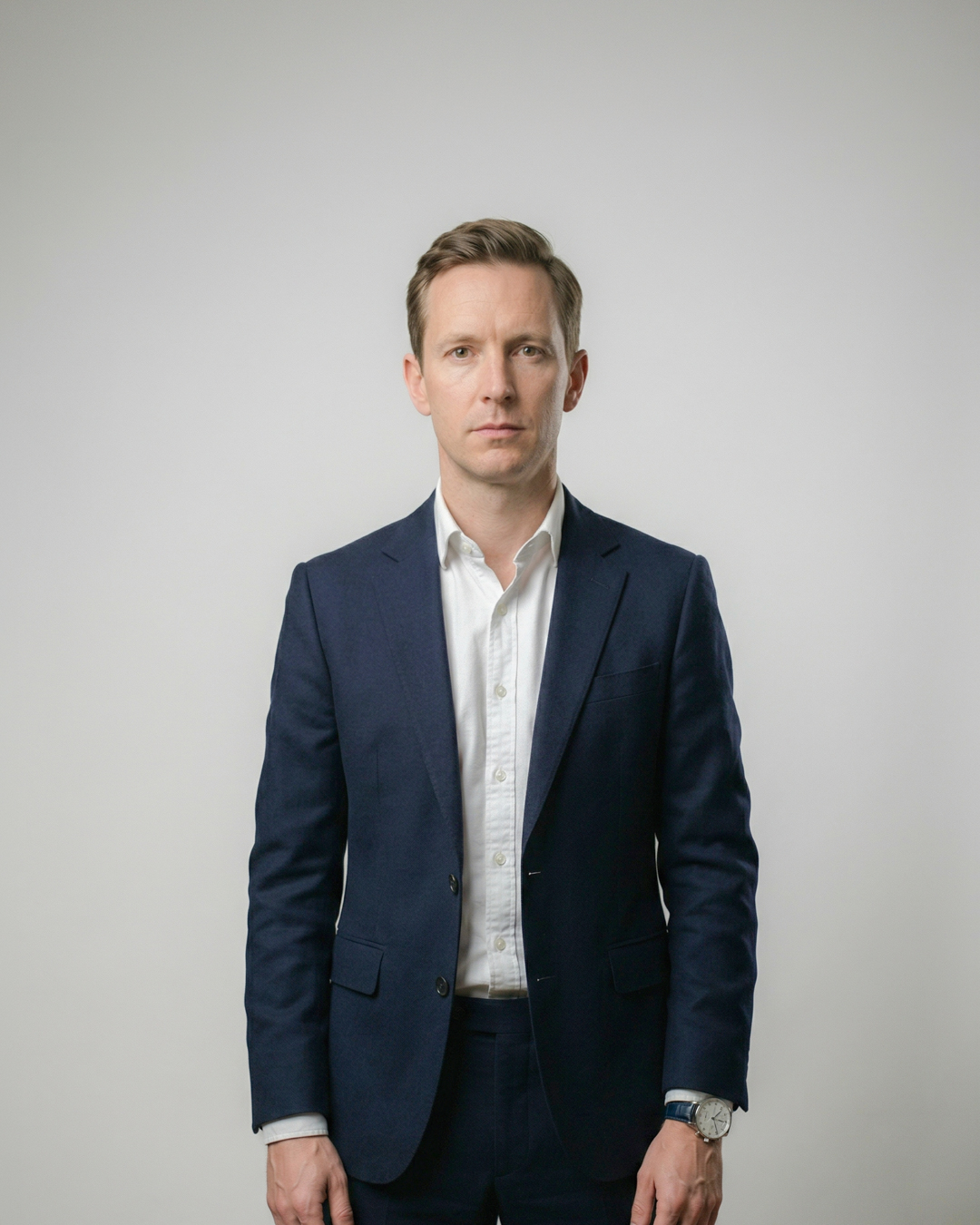
メイフェアのアッパー・ブルック・ストリートに面した築200年のジョージアン・タウンハウス。オリヴァー・アッシュワース=ペン(37)は真鍮の鍵を右に回し、重い黒塗りのドアを押し開けた。玄関ホールの大理石の床に、午後の薄い光がステンドグラス越しに落ちている。彼の革靴の音だけが、高い天井に反響して消えた。この物件は8ヶ月前に£12mで成約したが、オーナーは一度も足を踏み入れていない。暖炉の彫刻はジョージアン時代のオリジナルのまま、漆喰の薔薇飾りにはまだ改装業者が貼ったマスキングテープの痕が残っている。オリヴァーの仕事は、この空間を「維持し、次の内覧に備えること」ではない。この空間を「空のまま引き渡し、空のまま眠らせること」だ。
|2|
スーパープライムの不動産仲介とは、物件を売る仕事ではない——と、オリヴァーは入社3年目に気づいた。ダラム大学で地理学を学び、ロンドンでRICS認定のポストグラデュエート課程を修了し、メイフェアの老舗仲介会社に入ったとき、彼は建物の構造や歴史に詳しい専門家として雇われたと思っていた。だが実際に求められたのは、WhatsAppの画面越しにドバイやリヤドのファミリーオフィスの担当者と信頼関係を構築し、物件の写真を一枚も見せずに£8mの契約書にサインさせる技術だった。買い手はロンドンに「住む」ために買うのではない。「W1K」という郵便番号の座標に資産を固定するために買う。オリヴァーはその座標の鍵を預かり、月に一度、窓を開けて空気を入れ替え、郵便受けに溜まった不在通知の封筒を捨てに来る。93,000戸——それが2024年のロンドンにおける空き家の数だ。そのうちのいくつかの鍵を、オリヴァーのポケットの中のキーリングが握っている。
|3|
夜9時、ナイツブリッジのプライベートダイニングルームで、年に一度だけロンドンに来るクライアントとの食事を終えたオリヴァーは、男をタクシーに乗せ、自分は歩いて帰る。ノッティングヒルの1ベッドルームの賃貸フラット。月額2,800ポンド。今日売った物件の2,000分の1にも満たない金額だが、それでも給料に対しては十分に重い。彼は鍵をポケットから出す——メイフェアのタウンハウスの真鍮の鍵ではなく、安っぽいシリンダー錠の銀色の鍵を。ドアの向こうには、IKEAの棚と、脱ぎ捨てたランニングシューズと、食洗機に入れ忘れた皿がある。この部屋には、人が住んでいる痕跡がある。彼が毎日鍵を開けるメイフェアのタウンハウスには、それがない。
English
The first thing I learned in this job was not to show too much.
I mean the property.
…Though not only the property. The price, the seller’s circumstances, the outline of the buyer. The more you reveal, the more real it becomes, and the more real it becomes, the more cautious people suddenly get.
So what I hand over, while pretending to explain, is probably reassurance.
Not the floor plan. The certainty.
Whenever I turn the key to a townhouse in Mayfair, I hold my breath for a second. A habit, I think. Turn it to the right, push the heavy door open, step into a house with no one in it.
Every time, I think: it’s quiet.
Or rather, too complete.
The fireplace looks as if it has never been used. The kitchen tap is dry. The bed sheets still hold their folds. It feels less like a room meant for living and more like a model waiting for life to arrive. Only the price feels vividly real. £12 million, £15 million—numbers like that are the only things in the room that seem fully alive.
I know where the buyers are.
Dubai. Riyadh. Hong Kong.
But I do not know when they will come here. Usually, they don’t come much.
Sometimes it is called a viewing even when the buyer is not there. I point my phone at the fireplace over WhatsApp and say, It’s an original Georgian piece. They nod on the screen. The connection lags slightly, and even that silence can look expensive.
It is a strange job.
Less like selling houses than selling a kind of certainty with an address attached.
Whenever I hear people talk about London’s housing crisis, I feel a small measure of discomfort. Every time the number of empty homes comes up, I assume some of the doors I have opened belong in that count.
Of course, I am not the one emptying them.
You can say that. It is probably true.
I am only delivering what was asked for, in the form it was asked for. Not a place to live, but the fact of an asset existing at a particular point in London.
Still—I think this often—
if you spend enough time around these transactions, a house slowly stops being a house.
Windows become views. Fireplaces become provenance. Addresses are kept not for living but for preservation. I am just doing the translation. Turning a place for someone to return to into language that works even when no one ever does.
At night, after dinner with a client, I put them in a taxi.
The man who was talking about his children’s school disappears, and I walk. Back toward my own life.
A one-bedroom flat at £2,800 a month.
Compared to the houses I sell, it is almost a ridiculous number.
But as rent you pay yourself, it is heavy enough.
I open the fridge. Eggs. Yoghurt. Sometimes a bottle of white wine.
That, really, is the sort of life a man can have while spending his days guiding people through the upper surface of this city.
I am not unhappy.
I do not think it is that kind of story. From the start, this was a job in which I knew I would never live in the sort of house I sold, and I have probably learned to wear that fact properly.
Still, whenever I open the door to an empty house, I feel a flicker of hesitation.
A house, properly speaking, was meant to become a house only when someone came back to it—took off their coat, turned on a tap, performed those small and ordinary gestures. What I open every day sometimes feels like a space stopped just before that moment.
The key still turns beautifully.
My hands, too, are probably trustworthy enough.
But if even that silence is something being handed over as an asset, then what part of a house is it, exactly, that I am selling?
|1|
A Georgian townhouse on Upper Brook Street in Mayfair, two hundred years old. Oliver Ashworth-Penn (37) turns the brass key to the right and pushes open the heavy, black-painted door. In the entrance hall, thin afternoon light falls through the stained glass onto the marble floor. Only the sound of his leather shoes reverberates against the high ceiling before fading away. This property closed at £12m eight months ago, but its owner has never set foot inside. The fireplace carvings are original Georgian, and masking tape from the renovation crew still clings to the plaster rosettes. Oliver's job is not to "maintain this space and prepare it for the next viewing." His job is to "hand it over empty, and let it sleep empty."
|2|
Super-prime property brokerage is not the business of selling buildings—Oliver realized this in his third year. After studying geography at Durham and completing an RICS-accredited postgraduate course in London, he joined a long-established Mayfair agency assuming he'd been hired as a specialist whose expertise lay in architectural structure and history. What was actually required was the skill to build trust with family-office managers in Dubai and Riyadh through a WhatsApp screen, and to get an £8m contract signed without showing a single photograph. Buyers don't purchase in London to "live." They purchase to anchor an asset at the postal-code coordinates of "W1K." Oliver holds the keys to those coordinates, and once a month he comes to open the windows that need airing, and to clear the pile of failed-delivery notices from the letterbox. 93,000—that was the number of empty homes in London in 2024. The keyring in Oliver's pocket holds several of them.
|3|
At 9 PM, having finished dinner in a Knightsbridge private dining room with a client who visits London once a year, Oliver puts the man into a taxi and walks home. To his one-bedroom rental flat in Notting Hill. £2,800 a month. Less than a two-thousandth of the property he sold today, but heavy enough against his salary all the same. He pulls a key from his pocket—not the brass key of the Mayfair townhouse, but the cheap silver cylinder of a standard lock. Behind the door: an IKEA shelf, a pair of running shoes kicked off, and a plate he forgot to put in the dishwasher. This room bears traces that someone lives here. The Mayfair townhouses he unlocks every day do not.
日本語本作に登場する人物・語りは、実在の個人に基づいたものではありません。設定・描写にあたっては、人物の文化背景、言語、歴史、現在の社会状況について文献・記録・当事者の語り等を調査し、それらをもとに構成・再構成し、物語として描いています。ただし、たとえ綿密なリサーチをもとにしていても、"他者の声を仮構すること"には構造的な危うさがあると私は考えています。この作品は、その危うさごと提出するための試みです。
EnglishThe characters and narratives presented here are not based on any real individuals.The setting and depiction are constructed and restructured through research into cultural backgrounds, languages, histories, and contemporary conditions—including archival sources and first-person accounts—and are rendered here as a narrative.However, even when grounded in careful research, I believe that fictionalizing the voice of another carries inherent structural risk.This piece is an attempt to present that risk itself—openly and with accountability.