.webp)


.png)


The Unchosen E.40
Chloe Davies(クロエ・デイヴィス)
(English translation follows below)
地下3階には、季節が降りてこない。
夏でも冬でも、コンクリートの床は同じ顔をして冷たい。寝袋を二枚重ねても、朝になると背中の骨がじんじん痛む。湿気は皮膚の下まで入り込んで、起き上がる前からもう疲れている。
ケンジントンの通りに面した、普通のヴィクトリア朝の煉瓦造りの家。
地上から見れば、よく磨かれたドアと、花の鉢と、高そうなカーテンがあるだけだ。だけどその真下には、15メートルのプライベートプールになるはずだった巨大な穴がある。誰かが何十億という金をかけて掘り、途中でやめた空洞。
私は、その底で眠っている。
セントラル・セント・マーチンズのファインアートの修士に受かったとき、最初は月1,200ポンドのルームシェアに住んでいた。窓の外にはケンタッキーの排気口があって、夜になると油の匂いが部屋の中まで入り込んできた。
それでも、自分はなんとかやれていると思っていた。
半年で、家賃が払えなくなった。
学費ローンは学費に吸い込まれた。パブの清掃で稼いだ金は、画材と食費に消えた。ウェールズにいる母に頼ることもできなかった。母の声を聞くと、安心するより先に、自分が失敗していることを突きつけられる気がした。
友人のソファを三週間借りたあと、SNSで繋がったスクワッターのネットワークを辿って、この場所に来た。
「短期間だけなら大丈夫」
最初に案内してくれた男はそう言った。短期間、という言葉は便利だ。誰もそれがいつ終わるのかを決めなくていい。
大学のアトリエでは、同級生たちが100ポンドのキャンバスに油絵具を置いている。木枠はまっすぐで、布はきれいに張られていて、絵の具のチューブはまだ太っている。
私は、穴の底で拾った防水用のブルーシートの切れ端に木炭で描く。
指導教官がそれを見て言った。
「素材の選択が面白いね」
私は笑った。たぶん、ちゃんと笑えていたと思う。
選択じゃない。
それしかなかった。
でも、そう言えなかった。言ってしまえば、作品ではなく生活の説明になってしまう。アートスクールでは、貧しさも言葉に変換できればコンセプトになる。だけど、変換できない貧しさは、ただの寒さだ。ただの空腹だ。ただの、朝起きたときの背中の痛みだ。
夜、穴の底に戻る。
通風孔から、地上の音がかすかに落ちてくる。タクシーのドアが閉まる音。ヒールが舗道を打つ音。犬の鳴き声。誰かが笑っている声。どれも近いのに、触れない。
この穴の上には、整然とした生活がある。
きれいな皿。暖房の効いた部屋。明日の予定。誰かを迎えるために整えられた玄関。
その下で、私は寝袋に潜り込む。
何十億もの金がこの穴を掘った。誰も泳がなかった。誰も住むはずではなかった。誰も責任を取らなかった。
ただ、空洞だけが残った。
そして私は、その空洞の底で目を閉じる。
明日もここから這い上がって、大学へ行く。
地上では、私は学生だ。
地下では、私はただ、場所を借りている影みたいなものだ。
その二つの間を毎日上り下りしているうちに、たまにわからなくなる。
私が描いているのは、作品なのか。
それとも、ここから出るための穴なのか。
|1|
階段はもうない。あったのかもしれないが、今は足場の鉄パイプが斜めに渡されているだけで、それを両手で掴みながら降りていく。地下1階、地下2階。懐中電灯の丸い光が、打ちっぱなしのコンクリートの壁を舐めるように動く。地下3階に降り立つと、天井が急に高くなる。ここは15メートルのプライベート温水プールになるはずだった空間だ。ケンジントンの、地上からは普通のヴィクトリア朝の煉瓦造りにしか見えない家の、その真下に、この巨大な箱が埋まっている。クロエ・デイヴィス(26)は懐中電灯を口にくわえ、塩ビパイプの隙間に体を滑り込ませて、自分の寝袋のところまで戻った。コンクリートの床は、いつも同じ温度で冷たい。季節は関係ない。地下3階には季節がない。
|2|
セントラル・セント・マーチンズのファインアートの修士課程に入ったとき、クロエは月1,200ポンドのルームシェアに住んでいた。八畳もないシングルルームで、窓からはケンタッキーフライドチキンの排気口が見えた。半年で家賃が払えなくなった。政府の学費ローンは学費にほとんど消え、パブの深夜清掃とカフェのシフトで稼ぐ金は画材代と食費に溶けた。ウェールズの実家に頼れる金はない。母は公営住宅で一人暮らしで、弟の養育費を払い終わったところだった。クロエが「場所」を失って最初にしたのは、同じコースの友人のソファで三週間眠ることだった。次に、SNSで繋がったスクワッターのネットワークを通じて、この穴の存在を知った。海外の投資家が買った家の地下を何十億円もかけて掘り、プールと映画館を作ろうとして、途中で放棄した跡。ロンドンではそれを「アイスバーグ・ホーム」と呼ぶ。氷山のように、地上に見えている部分よりもはるかに巨大なものが地下に沈んでいる家のことだ。ただしこの氷山は、溶けも完成もしないまま、ただ穴として残った。
|3|
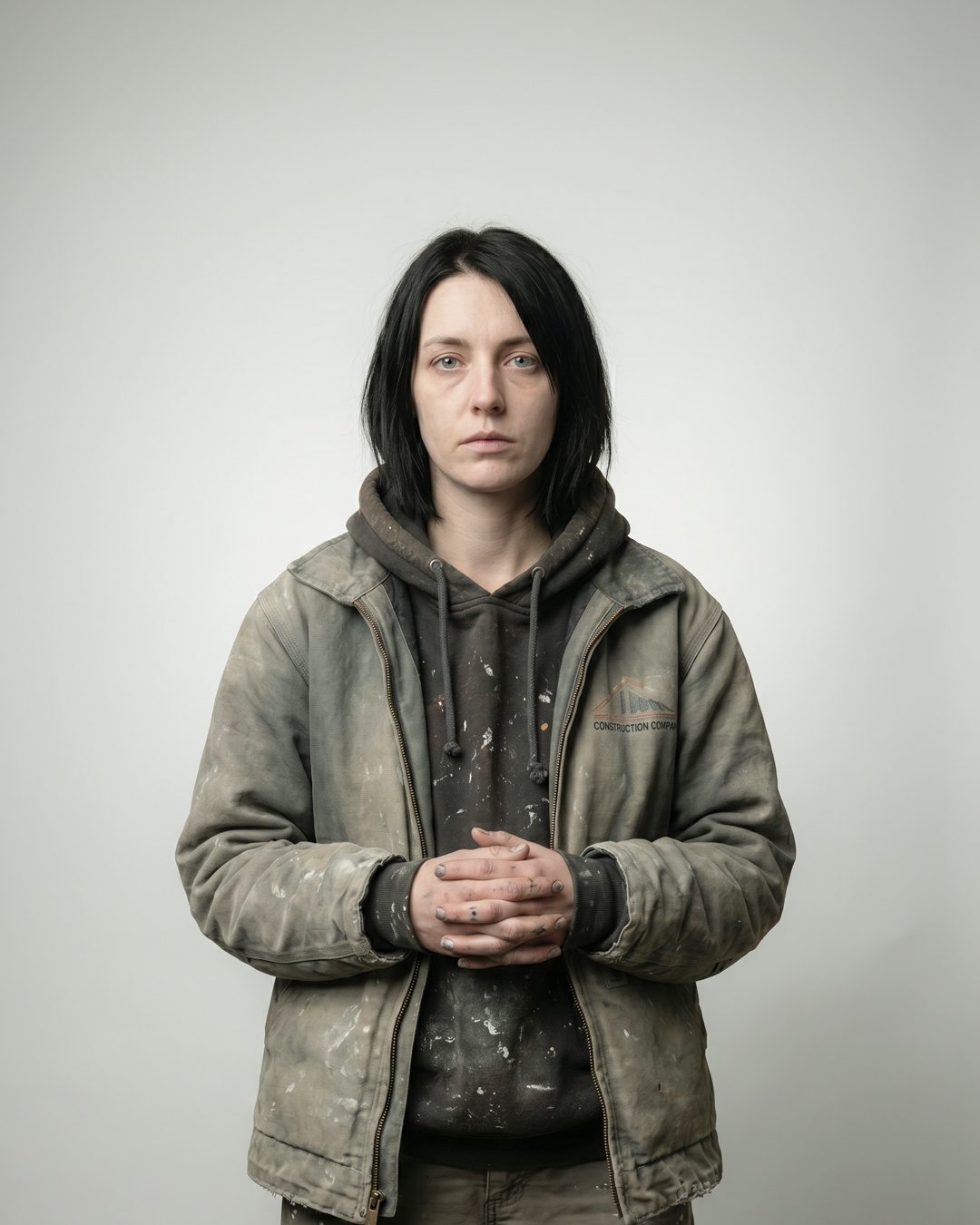
朝、クロエは地上階の蛇口から辛うじて出る水で顔を洗う。建設現場に落ちていた防塵ジャケットをフーディの上に羽織り、粉塵で白くなったドクターマーチンを履いて、キングス・クロスまで地下鉄で向かう。大学のアトリエでは、同級生が100ポンドのキャンバスに油絵具を置いている。クロエは、穴の底に落ちていた防水用のブルーシートの切れ端を鞄から出す。昨夜そこに木炭で描いた線が、まだ手のひらに黒い粉として残っている。指導教官はそれを見て「素材の選択が面白い」と言った。素材の選択ではない。それしかなかっただけだ。夜、穴の底に戻ると、通風孔から地上の音がかすかに届く。タクシーのドア、ヒールの靴音、犬の鳴き声。どれもケンジントンの音だ。この穴の上には、整然とした生活がある。クロエは寝袋に潜り込み、スマートフォンの光でアート理論の論文を読む。画面の明かりがむき出しの鉄筋コンクリートの天井を照らすとき、それが自分の頭上にあるものの正体だといつも思う。何十億という金が掘り、誰も使わず、誰も責任を取らない、ただの天井。その下で、クロエは目を閉じる。明日もこの穴から這い上がって、大学へ行く。
English
There are no seasons three floors underground.
Summer or winter, the concrete floor wears the same cold face. Even with two sleeping bags layered on top of each other, by morning the bones in my back ache with a dull, persistent throb. The damp gets under my skin, and I’m already tired before I even sit up.
A perfectly ordinary Victorian brick house on a street in Kensington.
From the ground, all you see is a polished door, flowerpots, and expensive-looking curtains. But directly beneath it, there is a massive cavity that was supposed to become a 15-meter private pool. Someone spent billions digging it, then stopped halfway.
I sleep at the bottom of that hole.
When I got into the MA Fine Art program at Central Saint Martins, I was living in a flatshare that cost £1,200 a month. Outside the window was the exhaust vent of a KFC, and at night the smell of oil would seep into the room.
Even then, I thought I was somehow managing.
After six months, I couldn’t pay the rent.
My student loan was swallowed by tuition. The money I earned cleaning pubs disappeared into art supplies and food. I couldn’t ask my mother in Wales for help. When I heard her voice, before I felt any relief, it felt like proof that I had failed.
After borrowing a friend’s sofa for three weeks, I followed a squatter network I had found through social media and ended up here.
“It’ll be fine, just for a short while.”
That’s what the man who first showed me around said. A short while is a convenient phrase. Nobody has to decide when it ends.
In the university studio, my classmates lay oil paint onto hundred-pound canvases. The wooden frames are straight, the fabric is stretched cleanly, and the tubes of paint are still fat.
I draw with charcoal on scraps of waterproof blue tarp I picked up at the bottom of the hole.
My tutor looked at it and said,
“Interesting choice of material.”
I smiled. I think I smiled properly.
It wasn’t a choice.
It was all I had.
But I couldn’t say that. If I did, it would stop being a work and become an explanation of my life. At art school, even poverty can become a concept if you can translate it into language. But poverty that can’t be translated is just cold. Just hunger. Just the pain in your back when you wake up in the morning.
At night, I return to the bottom of the hole.
Through the ventilation shaft, sounds from the surface fall faintly down. A taxi door closing. Heels striking pavement. A dog barking. Someone laughing. All of it is close, but none of it can be touched.
Above this hole, there are orderly lives.
Clean plates. Heated rooms. Plans for tomorrow. An entrance hall arranged to welcome someone home.
Beneath it, I crawl into my sleeping bag.
Billions were spent digging this hole. Nobody ever swam in it. Nobody was supposed to live in it. Nobody took responsibility for it.
Only the cavity remained.
And at the bottom of that cavity, I close my eyes.
Tomorrow, I will crawl out of here again and go to university.
Above ground, I am a student.
Underground, I am something like a shadow borrowing a place to exist.
Moving up and down between those two every day, sometimes I no longer know.
What am I drawing?
A work of art?
Or a hole to get myself out of?
|1|
There are no stairs anymore. Perhaps there once were, but now there is only scaffolding pipe set at an angle, and she grips it with both hands as she descends. Basement level one, level two. The round beam of a flashlight licks across the raw concrete walls. At basement level three, the ceiling suddenly soars. This space was meant to be a 15-meter heated private swimming pool. Beneath a house in Kensington that looks, from the street, like an ordinary Victorian brick terrace, this enormous box is buried. Chloe Davies (26) clamps the flashlight between her teeth, threads her body through a gap in the PVC piping, and makes her way back to her sleeping bag. The concrete floor is always the same temperature of cold. Season is irrelevant. Three floors underground, there are no seasons.
|2|
When Chloe entered the MA Fine Art program at Central Saint Martins, she was living in a £1,200-a-month flatshare. A single room, barely eight tatami mats in size, with a view of the Kentucky Fried Chicken exhaust vent. She couldn't make rent after six months. The government's postgraduate loan was almost entirely consumed by tuition, and the money she earned from late-night pub cleaning shifts and café work dissolved into art supplies and food. There was no money to ask for back in Wales. Her mother lived alone in a council flat and had only just finished paying her brother's maintenance. The first thing Chloe did after losing her "place" was sleep on a coursemate's sofa for three weeks. Then, through a squatter network she found on social media, she learned about this hole. A house bought by an overseas investor, its basement excavated at a cost of tens of millions of pounds to build a pool and a cinema, then abandoned partway through. In London they call these "iceberg homes." Houses where what lies beneath the surface is far more enormous than what is visible above ground, like an iceberg. Except this iceberg neither melted nor was completed. It simply remained as a hole.
|3|
In the morning, Chloe washes her face with the thin trickle of water from a ground-floor tap. She throws a discarded construction dust jacket over her hoodie, laces up her Doc Martens—white with concrete dust—and takes the Tube to King's Cross. In the university studio, her classmates lay oil paint on hundred-pound canvases. Chloe pulls a scrap of blue waterproof tarpaulin from her bag, retrieved from the bottom of the hole. The charcoal lines she drew on it last night still cling to her palm as black dust. Her tutor looks at it and says, "Interesting choice of material." It is not a choice of material. It was all she had. At night, back at the bottom of the hole, faint sounds from the surface filter down through the ventilation shaft. A taxi door, heels on pavement, a dog barking. All of them Kensington sounds. Above this hole, orderly lives carry on. Chloe crawls into her sleeping bag and reads an art theory paper by the light of her phone. When the glow of the screen illuminates the exposed reinforced-concrete ceiling above her, she always thinks: that is what is really over my head. A ceiling that billions of pounds dug out, that nobody uses, that nobody takes responsibility for. Just a ceiling. Beneath it, Chloe closes her eyes. Tomorrow she will crawl out of this hole again and go to university.
日本語本作に登場する人物・語りは、実在の個人に基づいたものではありません。設定・描写にあたっては、人物の文化背景、言語、歴史、現在の社会状況について文献・記録・当事者の語り等を調査し、それらをもとに構成・再構成し、物語として描いています。ただし、たとえ綿密なリサーチをもとにしていても、"他者の声を仮構すること"には構造的な危うさがあると私は考えています。この作品は、その危うさごと提出するための試みです。
EnglishThe characters and narratives presented here are not based on any real individuals.The setting and depiction are constructed and restructured through research into cultural backgrounds, languages, histories, and contemporary conditions—including archival sources and first-person accounts—and are rendered here as a narrative.However, even when grounded in careful research, I believe that fictionalizing the voice of another carries inherent structural risk.This piece is an attempt to present that risk itself—openly and with accountability.