.webp)


.png)


The Unchosen
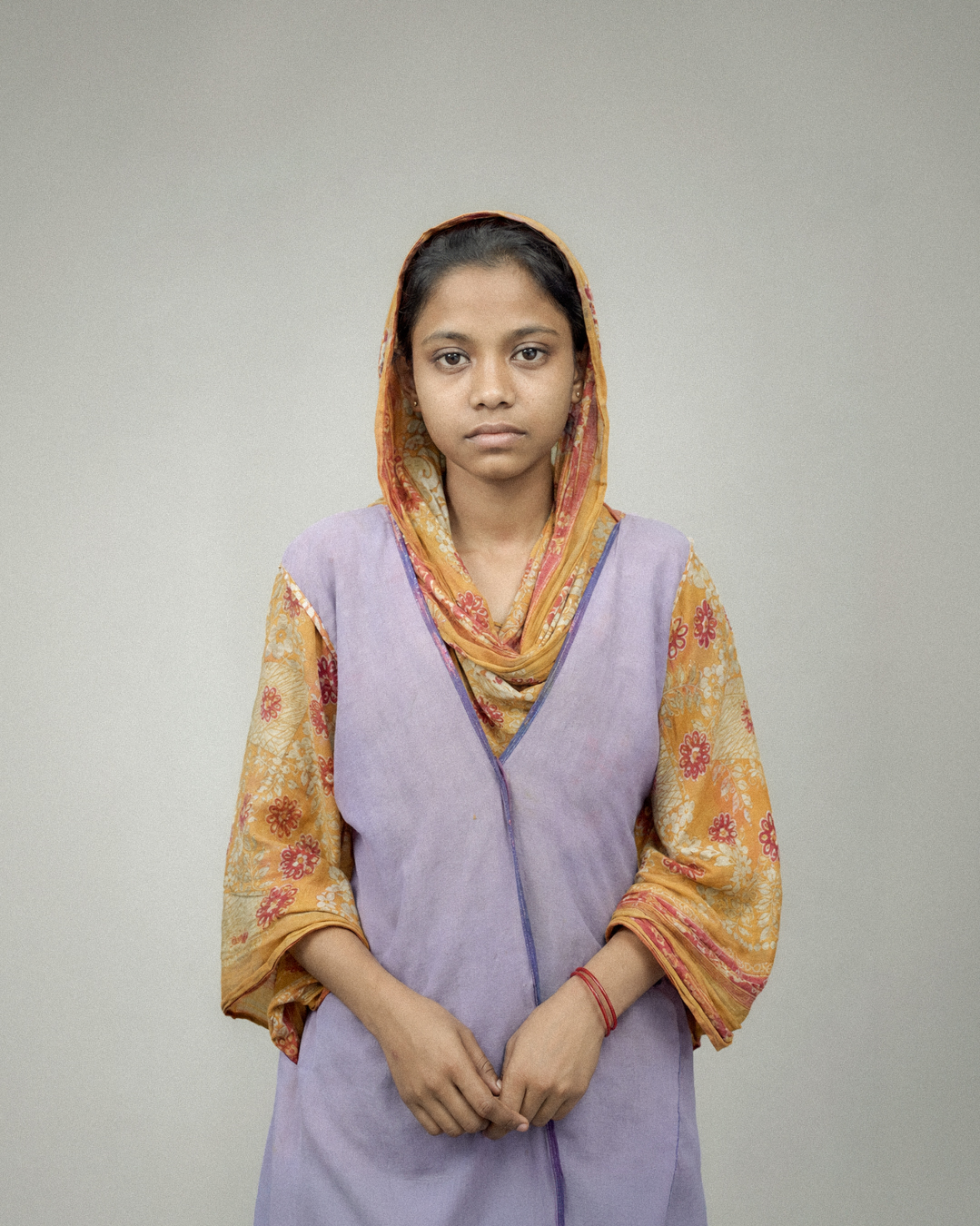
A13 Kim Suni キム・スニ

午前4時。
目が覚めるより先に、港の気配を感じる。
家を出ると、まだ空は暗い。
坂を下るあいだ、風の向きと匂いを嗅ぐ。海は昨日よりも重たい。魚は深く潜ってるかもしれない——そんなことを、言葉にせずに思う。
港に着いたら、魚を箱に並べる。跳ねるやつには、小さく声をかける。
声をかけると落ち着くのか、自分が落ち着きたいのか、よくわからないけど。
この仕事を選んだわけじゃない。
高校を出たら、父のそばで自然に港に立っていた。気づけばもう三十年以上、ずっと同じ朝を繰り返してる。
祈るのも、日課の一つ。
仏壇に線香を立てるけど、拝むというより、ただ手を合わせるだけ。
「どうか今日も、波が荒れませんように」
そう願ってる。でも声にはしない。声にしたところで、聞こえる相手がいるかもわからないし。
海に出るのは夫だけど、海を読むのは、私のほうが早い。
魚の色。潮の匂い。空の冷たさ。
体が先に反応する。今日は漁に出ない方がいいとか、干物に向いてる風だとか。言葉にする前に、もう決まってる。
魚は減った。
港に立つ人も、年々少なくなっている。
網を干す時間も、帳簿をつける手間も、少しずつ短くなった。
それでも私は、毎朝の空気に耳を澄ませている。
潮のにおい。船の音。波の鈍さ。
気づかない変化を、体のどこかが拾ってくれる。
何も言わずに網を干し、
何も言わずに帰りを待つ。
それが、私にできる祈りのかたち。
そして、暮らしのすべてなのだと思う。
1|海のそばで暮らしている. 海の音が聞こえる場所で
釜山の南端、小さな沿岸漁村に彼女は暮らす。
坂道を下った先に湾の入り江、その入口に小さな家がある。朝、波音や船のエンジン音がまだ凍てつく空気に溶け込む。
50歳。高校卒業後すぐに父のそばで港に立った。いまは夫と二人で暮らしている。子どもはすでに都市部に出て、ほとんど会うことはない。
暗い時刻に目覚ましがなる。彼女は港の選別所へ歩き出す。
箱の上に魚を並べる。冷たい海水で手を冷やしながら。氷が足りないと、倉庫から運んでくる。傷んだ魚を隣の箱へ移し、跳ねる魚には小さな声で応える。
午前中には作業が終わることが多いが、それで一日は終わらない。網を干し、道具を片付け、床を水で洗い、午後には網の修繕や帳簿に目を通す。天気によって仕事は変わる。干物を作る日もあれば、冷暗所を整える日もある。
週に一度、休めるかどうかという暮らし。疲れがたまっても、港に出ないわけにはいかない。
2|祈りを声にしない人
彼女の日課は仏壇に線香を供えることから始まる。
拝むというより、火を灯して、両手を合わせるだけ。海の神に、静かな水面を願う。それだけの行為。
寺に出向くのは年に数回。海に祈るのは、誰も見ていないとき。
男性でも女性でもない声で、小さく。「今日も波が荒れませんように」。それだけを内にしまっている。
漁に出るのは夫だが、海を読むのは彼女のほうが早い。魚の色、潮の匂い、空の冷たさと温度。
それらのわずかな違いを、言葉ではなく肌で知っている。
彼女は仕事を選んだわけではない。ただ、やめる機会もなかったのだろう。だから続いている。多く語らない人。
3|海の仕事の現在
釜山広域市機張郡の東側に位置するこの漁村では、過去10年間で水揚げ量が大きく減少している。
海洋水産部の公開データによれば、この地域における沿岸漁業の漁獲量は、2014年から2023年の間で約28%減少。サバ・タイなどの中型魚の不漁傾向が続く一方、北寄貝や小型アジなどに漁種が移行している。
漁業従事者の高齢化も顕著である。村内で登録されている漁業世帯は現在24世帯。そのうち60代以上が主となる世帯は約8割を占め、50代は少数にとどまる。
若年層の漁業参入はほとんどなく、近隣の高校では水産関連の進路に進む生徒は年に1人か2人という。過疎化の進行により、集落内の小学校は10年前に閉校した。
港での選別作業は、これまでは主に女性が担ってきた。
午前5時から始まる仕分け作業には、かつて5〜6人の女性が立っていたが、現在は2人または3人。平均年齢は60歳前後であり、作業時間の短縮や日数調整が常態化している。
労働の対価は一日当たり4万〜6万ウォン程度。漁協を通じた支払いは翌月にずれこむこともある。
冷蔵・加工施設の老朽化も進んでいる。補修や更新の予算は限られており、氷の保管量が制限されている日もある。魚の鮮度保持が難しくなった結果、市場への出荷単価も低下傾向にある。
また、海水温の上昇は現場でも実感されている。近年の平均海水温は、5月時点で過去より0.5℃高く、沿岸部の藻場や貝類への影響が報告されている。
漁協の簡易モニタリング装置の記録によれば、特に春から初夏にかけての変動幅が拡大している。
こうした状況の中で、小規模な家族単位の漁業は継続が困難になっている。
人手、資源、販路、機材。いずれも維持のための支えが弱まりつつあるなかで、現場の作業は今も午前4時には始まっている。


4 a.m.
I sense the harbor before I’m even fully awake.
When I step outside, the sky is still dark.
As I walk down the slope, I breathe in the wind—its direction, its scent.
The sea feels heavier than yesterday.
The fish might be swimming deeper today. I don’t put it into words, but I know.
At the port, I line up the fish in boxes.
When one flaps, I speak to it softly.
Not to calm it—maybe to calm myself. I’m not sure.
I didn’t choose this work.
Right after high school, I stood beside my father at the docks.
And then one day I looked up, and thirty years had passed.
Lighting incense at the altar is part of my morning, too.
It’s not really prayer—more like lighting a flame and putting my hands together.
“Please, let the sea stay calm today.”
I wish for that, but I don’t say it aloud.
Even if I did, I don’t know if anyone would hear.
It’s my husband who goes out to sea.
But I’m the one who reads it first.
The color of the fish. The smell of the tide. The chill in the air.
My body knows before my mouth can explain—
whether today is good for fishing, or for drying fish in the sun.
There are fewer fish now.
Fewer people at the harbor.
The time we spend mending nets, updating records—
shorter with each season.
Still, every morning, I listen to the air.
The smell of salt. The sound of engines. The dullness of the waves.
Somewhere in my body, I catch what others might miss.
I hang the nets in silence.
Wait in silence for his return.
This, I think,
is what prayer looks like for me—
and perhaps, the shape of my whole life.
1|Living by the Sea
She lives in a small coastal village at the southern edge of Busan.
Down a slope, past the houses and rusted fences, the bay opens up, and near its mouth stands the home she shares with her husband.
She is 50. After finishing high school, she began working beside her father at the harbor.
Now it’s just her and her husband. Their children have moved to the city. They rarely visit.
She wakes before dawn. Walks to the sorting shed near the port.
She lays fish into boxes, fingers raw in the cold water. If ice is short, she hauls it from the warehouse. She removes damaged catch, responds with a quiet word to any fish still flailing.
Her work usually ends by noon, but the day is far from over. She dries the nets, scrubs the floors, tends to tools.
Afternoons shift with the weather—some days she prepares dried fish, others she checks account books or sorts supplies in the back room.
A full day off comes rarely. Even when tired, she keeps returning to the port. That’s just how the days go.
2|A Person Who Does Not Speak Her Prayers Aloud
Each morning begins with incense at the family altar.
She does not pray in words. She lights the stick, joins her hands, and lets the smoke carry her thought: calm seas today.
She visits the temple a few times a year.
When she prays to the sea, it’s in solitude, always without voice.
Not as a woman or a man, just a person saying quietly, “Let the waves stay quiet today.”
Her husband is the one who boards the boat.
But it’s she who notices first when the sea changes—fish texture, the smell of the tide, the coolness in the air.
She doesn’t say these things. She just works as she always has.
She didn’t choose this job. But she didn’t find a reason to leave either.
So she stayed. That’s all there is to it.
3|The Present State of Coastal Labor
This village, located along the eastern edge of Gijang County in Busan, has seen a sharp decline in fish landings over the past decade.
According to data from the Ministry of Oceans and Fisheries, local coastal catches fell by approximately 28% between 2014 and 2023. Mid-sized species like mackerel and sea bream are now scarce; small horse mackerel and shellfish have become more common.
The fishing population is aging. Of the 24 registered fishing households in the area, about 80% are led by those in their 60s or older.
Few young people enter the trade. In nearby high schools, only one or two students per year pursue maritime-related careers. The village elementary school closed ten years ago due to depopulation.
Fish sorting at the port has traditionally been women’s work.
Where five or six women once stood at the tables from 5 a.m., now there are two or three. The average age is around 60. Shorter hours and fewer working days have become the norm.
Wages are modest—about 40,000 to 60,000 won per day—and payment through the fishing cooperative is sometimes delayed until the following month.
Refrigeration and processing facilities are deteriorating.
Budget constraints limit repairs and upgrades. Ice storage shortages mean reduced cooling capacity, which in turn lowers the price of the catch at market.
Rising seawater temperatures are being noticed.
In recent years, the average sea temperature in May has risen by about 0.5 °C. Coastal kelp beds and shellfish habitats are visibly affected.
Monitoring devices operated by the fishing cooperative show increasing variability, especially from spring into early summer.
In these conditions, small-scale family-based fishing has become difficult to sustain.
Labor, resources, distribution, equipment—all are harder to maintain.
And yet, at four in the morning, someone is still walking toward the harbor.
本作に登場する人物・語りは、実在の個人に基づいたものではありません。 設定・描写にあたっては、人物の文化背景、言語、歴史、現在の社会状況について文献・記録・当事者の語り等を調査し、それらをもとに構成・再構成し、物語として描いています。 ただし、たとえ綿密なリサーチをもとにしていても、“他者の声を仮構すること”には構造的な危うさがあると私は考えています。 この作品は、その危うさごと提出するための試みです。
The characters and narratives presented here are not based on any real individuals. The setting and depiction are constructed and restructured through research into cultural backgrounds, languages, histories, and contemporary conditions—including archival sources and first-person accounts—and are rendered here as a narrative. However, even when grounded in careful research, I believe that fictionalizing the voice of another carries inherent structural risk. This piece is an attempt to present that risk itself—openly and with accountability.