.webp)

.png)


(English translation follows below)
朝は、いつも光が強すぎる。
強すぎて、世界の輪郭が一度消える。
——ここは標高4000メートル近くの塩湖。
白、白、白。
どこまで行っても、白しかない。
俺の仕事は、その白を削ることだ。
巨大なブレードで、大地の表面を剥がしていく。
ガリ、ガリ、と。
ただそれだけの音が、やけに長く残る。
空気は薄い。
息を吸うたびに、肺の奥が少しだけ驚く。
日差しは、刺さる。
「暖かい」なんて言葉じゃ足りない。
皮膚の内側まで届いてくる感じ——あれは、攻撃に近い。
巻き上がる塩の粉塵で、喉はずっと乾いている。
水を飲んでも、追いつかない。
それでも俺は、削る。
今日も、同じ場所を、同じように。
この結晶は「白い黄金」と呼ばれているらしい。
誰かがそう名付けた。
たぶん、ここに来たことのない誰かが。
地下から汲み上げて、乾かして、残った粗い塊。
それが、遠くの国のサーバーや、
誰かの手のひらの中の光になる。
らしい、という言い方になるのは、
俺がそれを見たことがないからだ。
俺の携帯は、画面が割れている。
たまに光る。たまに繋がる。ほとんど沈黙している。
世界では、AIだとか、クラウドだとか、
そういう「触れないもの」が流行っているらしい。
綺麗な顔も、景色も、
全部つくれるんだってな。
——便利だと思う。
だけど、それが何なのかは、正直よくわからない。
ここには、触れるものしかない。
ひび割れた地面。
熱を持った鉄のレバー。
耳鳴りみたいに続くエンジン音。
そして、仕事の終わりに渡される、
少し湿った紙幣。
それだけだ。
「非物質的な未来」
誰かがそう言う。
たしかに、そう見えるのかもしれない。
遠くからなら。
だけど俺にとって未来は、
この手の中にある。
ザラザラしていて、
指の隙間からこぼれていく。
疲労で、腕が重くなる。
夜になると、関節が鈍く痛む。
それが、俺の触れている“未来”だ。
もし、だ。
もし俺たちが、ここを掘るのをやめたら。
この白を削るのを、やめたら。
あの光は、どうなるんだろうな。
画面の中の顔も、
雲の中にあるデータも、
静かに、呼吸をやめるのか。
それとも——
誰も気づかないまま、ゆっくり暗くなるのか。
俺は今日も削る。
未来のため、なんて大げさなことは思わない。
ただ、ここにあるから削る。
だけど、たまに考える。
あの光を見ている連中は、
この白の手触りを、知ることがあるんだろうか。
|1|
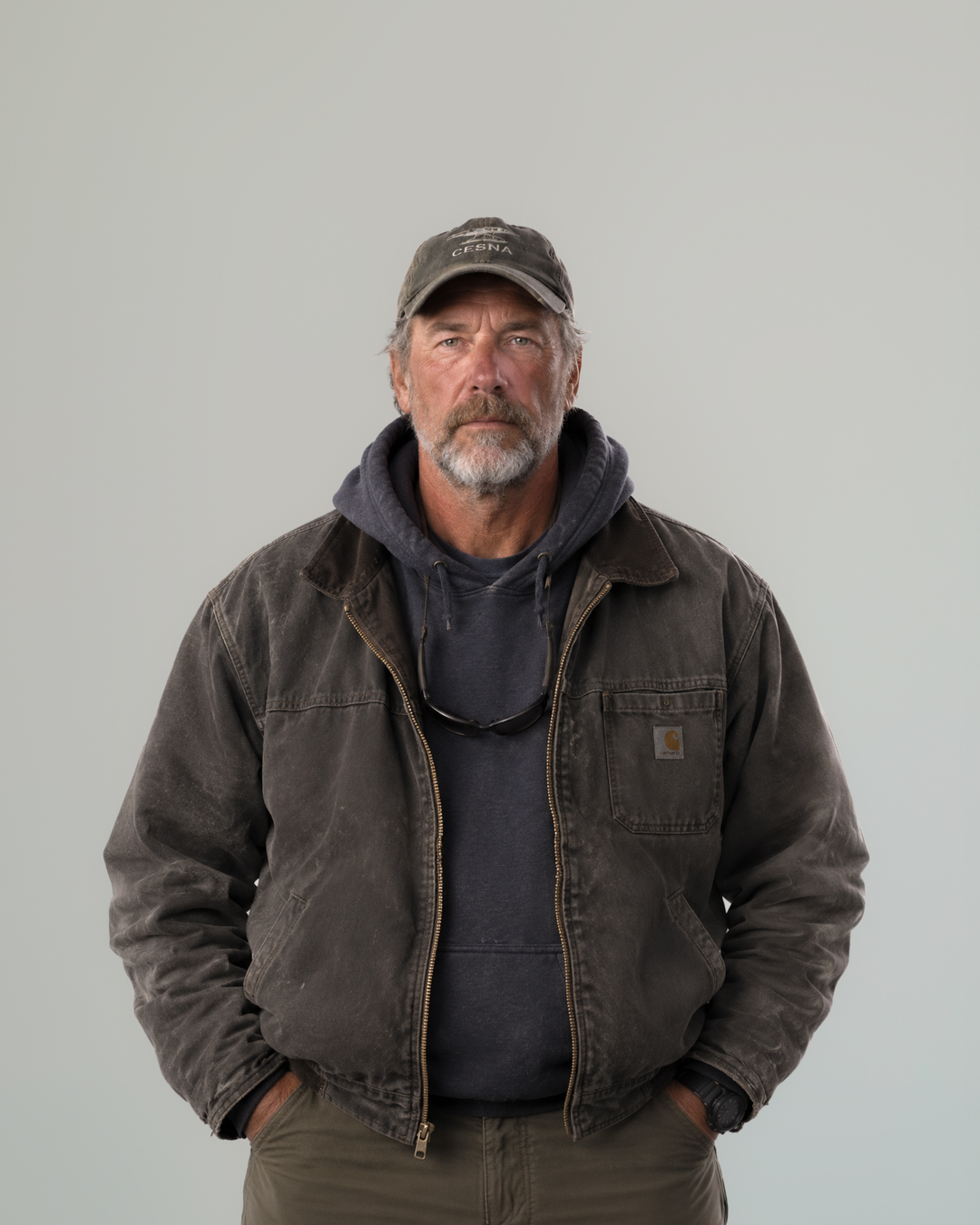
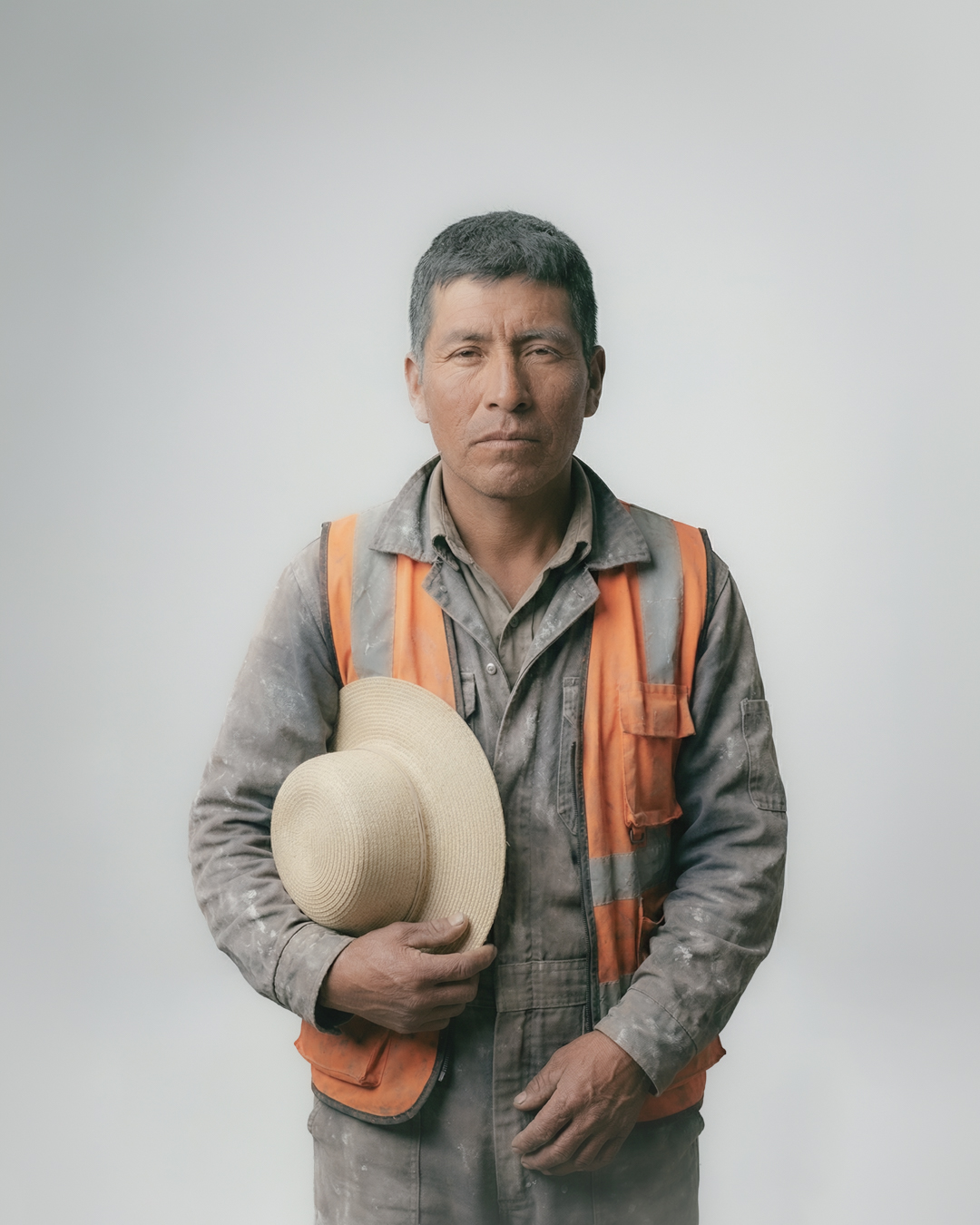
アルゼンチン北部、アンデス山脈に抱かれたフフイ州の標高約4000メートルの高地。空気が薄く、呼吸するたびに喉の奥が焼けるように乾く。見渡す限りの純白——広大なリチウム塩湖(サラール)が、地平線まで途切れることなく広がっている。強烈な太陽光が白い地表で跳ね返り、視界の端々を鋭く食い散らかす中、マテオ・クルス(42)は轟音をあげるCAT社製ブルドーザーのキャビンで目を細める。彼が操るブレードは、地下から汲み上げられ太陽熱で蒸発させた塩水の残留物を掻き分け、「白い黄金」と呼ばれるリチウムの結晶を削り出していく。採掘会社が社員教育のパンフレットに書いた「クリーンエネルギーの未来を拓く」というフレーズを、マテオは一度も口にしたことがない。
|2|
かつてこの一帯は、先住民コミュニティの放牧地だった。リャマが歩き、アンデスの風に乗って乾燥した草の匂いが漂っていた。いまそこには多国籍企業のフェンスと、蒸発プールの幾何学的なグリッドが敷き詰められている。マテオ自身、ケチュアの血を引く家系だが、鉱山以外にまともな仕事はなく、父も祖父も同じ土を掘っていた——ただし彼らの時代はホウ砂だった。リチウムの需要が爆発したのはこの十数年のことだ。世界中の街を走る電気自動車も、人々の手の中で絶えず光るスクリーンも、すべてこの白い粉の上に成り立っている。だが、標高4000メートルの紫外線と塩の粉塵にまみれた12時間シフトの対価は、月額にしておよそ650ドル。マテオの長男が大学に通うには、それでも足りない。
|3|
キャビンに備え付けられた旧式のラジオから、ノイズにまみれたクンビアが流れる。昼食は、妻のルシアーナが持たせてくれたエンパナーダと、水筒に残った生ぬるい水。アルミホイルの包みを開ける指先は、塩で白くひび割れている。午後のシフトが始まる前、マテオは重機から降りて、眩しさに目を細めながら塩湖の向こうを眺める。白い大地と青い空の境界線が溶け合う地平線の手前で、蒸発プールの水面がかすかに光っている。この塩の下に眠っているものが、地球の裏側でどんな形をした、どんな値段のものに変わるのか、彼は正確には知らない。知る必要もないと思っている。シフトの終わりに体を引きずって帰り、子供たちの声を聞いて、翌朝また同じキャビンに乗り込む。それだけだ。白い砂漠は今日も何も語らず、ただ陽光を跳ね返し続けている。
English
Morning light is always too strong.
So strong it erases the edges of the world.
— This place sits nearly 4,000 meters above sea level.
White. Nothing but white.
No matter how far you look, it’s all the same.
My job is to scrape that white away.
A massive blade peeling the surface of the الأرض.
Grinding.
A dry, dragging sound that lingers longer than it should.
The air is thin.
Every breath feels slightly insufficient.
The sunlight doesn’t warm—it pierces.
Not heat, but something closer to an attack.
Salt dust rises with every pass.
My throat is always dry.
Water never quite catches up.
Still, I keep scraping.
Same place. Same motion. Every day.
They call these crystals “white gold.”
Someone named it that.
Probably someone who’s never been here.
Pumped from underground, dried under the sun,
what remains is coarse and dull.
And somehow, that becomes light—
in distant servers,
in the small glowing screens in someone’s hand.
At least, that’s what I’m told.
My phone has a cracked screen.
Sometimes it lights up. Mostly it doesn’t.
They say the world is full of AI now.
Clouds you can’t see. Faces you can generate.
Beautiful things, made out of nothing.
— Sounds convenient.
But I don’t really understand it.
Out here, everything has weight.
The cracked ground.
The heated metal controls.
The endless roar of the engine.
And at the end of the shift,
a small stack of worn bills.
That’s all there is.
“A beautiful, immaterial future,” they say.
Maybe it looks that way—from far enough away.
But for me, the future sits in my hands.
Rough.
Grainy.
Slipping through my fingers.
By night, my arms feel heavy.
My joints ache in quiet, dull ways.
This is what the future feels like.
If we stopped—
if we stopped digging this land,
stopped scraping away this white—
what would happen to their light?
The faces in their screens.
The data floating in their clouds.
Would it all just… stop breathing?
Or would it fade quietly,
before anyone even notices?
I keep working.
Not for the future.
Just because this is what’s here.
Still—sometimes I wonder.
Do the people staring into that light
ever imagine
what it feels like to touch it?
|1|
In the highlands of Jujuy Province, northern Argentina, cradled by the Andes at an altitude of nearly 4,000 meters, the air is thin, and every breath scorches the back of the throat. An unbroken white expanse stretches to the horizon—a vast lithium salt flat, the salar. As intense sunlight ricochets off the white surface, gnawing at the edges of vision, Mateo Cruz (42) squints inside the thundering cabin of a CAT bulldozer. His blade plows through the residue of underground brine pumped up and evaporated by the sun, scraping out lithium crystals known as "white gold." The phrase "Pioneering the future of clean energy," printed in the mining company's employee pamphlet, has never once left Mateo's lips.
|2|
This land was once grazing ground for indigenous communities. Llamas roamed here, and the scent of dried grass drifted on the Andean wind. Now, the terrain is carved up by multinational fences and the geometric grids of evaporation pools. Mateo himself is of Quechua descent, but there is no decent work outside the mine. His father and grandfather dug the same earth—though in their time, it was borax. The explosion in lithium demand is barely a decade old. The electric cars gliding through cities worldwide, the screens glowing ceaselessly in people's hands—all of it stands on this white powder. Yet the price of a twelve-hour shift under the ultraviolet intensity and salt dust at 4,000 meters is roughly 650 dollars a month. Still not enough for Mateo's eldest son to attend university.
|3|
From the old radio bolted inside the cabin, a Cumbia tune bleeds through static. Lunch is an empanada packed by his wife Luciana, and the lukewarm dregs of water left in his flask. The fingertips peeling back the aluminum foil are white and cracked from salt. Before the afternoon shift begins, Mateo climbs down from the machine and squints across the salt flat. Where the white earth and blue sky dissolve into each other at the horizon, the surface of an evaporation pool glimmers faintly. He doesn't know exactly what shape or price tag the substance sleeping beneath this salt takes on the other side of the planet. He doesn't feel the need to know. He'll drag his body home when the shift ends, hear his children's voices, and climb back into the same cabin the next morning. That's all. The white desert says nothing today either, simply deflecting the sunlight, as always.
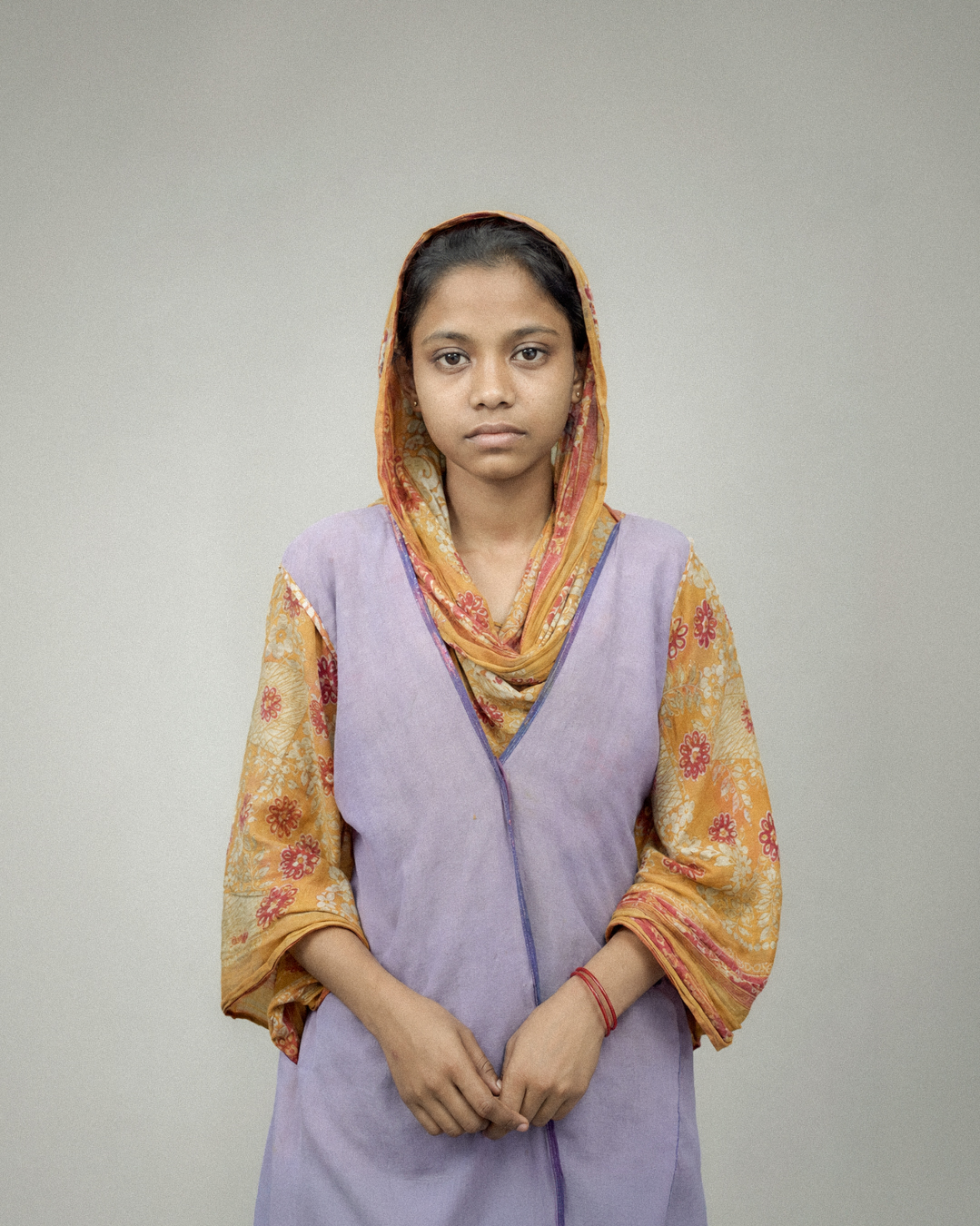
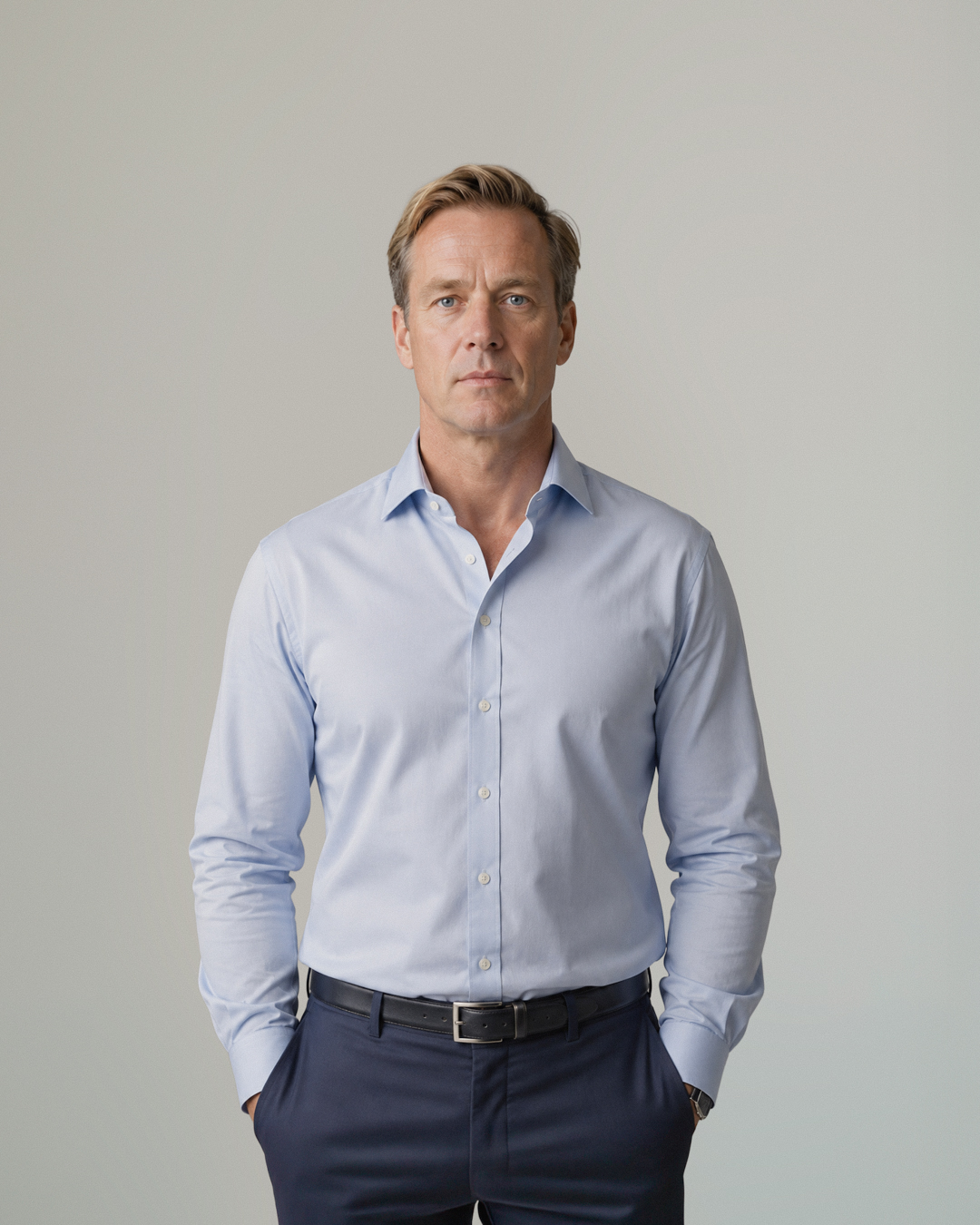
日本語本作に登場する人物・語りは、実在の個人に基づいたものではありません。設定・描写にあたっては、人物の文化背景、言語、歴史、現在の社会状況について文献・記録・当事者の語り等を調査し、それらをもとに構成・再構成し、物語として描いています。ただし、たとえ綿密なリサーチをもとにしていても、"他者の声を仮構すること"には構造的な危うさがあると私は考えています。この作品は、その危うさごと提出するための試みです。
EnglishThe characters and narratives presented here are not based on any real individuals.The setting and depiction are constructed and restructured through research into cultural backgrounds, languages, histories, and contemporary conditions—including archival sources and first-person accounts—and are rendered here as a narrative.However, even when grounded in careful research, I believe that fictionalizing the voice of another carries inherent structural risk.This piece is an attempt to present that risk itself—openly and with accountability.