.webp)


.png)


the Unchosen
A.22 内田 優月(Yuzuki Uchida)
<English translation follows below.>
今日は、いつもより黒い。 同じ場所のはずなのに。
カラオケ屋の光が違う。 それはたぶん、気のせいじゃなくて、隣に「ちょっとしたよそ者っぽさ」を合わせ持った子が座っていたから。
黒のブラウス。ツインテール。 歩道に転がるネオンの光を取り込んで、スマホを眺めてる。 特別な感情はない。でも、なんか残った。
あの子、何しに来てたんだろうな。 ちょっとメインの通りから外れたとこに座って、すごく手をきれいにしてた。 指光が、薄くインカメのガラスに透けて、素っ気なのに、ちょっと形作ってる感じがあって。 いや、それがいいとかじゃなくて、ただ、覚えてしまった。
ずっと、ぼうっと見てた。 なんでか分からないけど、少しだけ、近づきたいと思ってしまった。
その日は、めずらしく、ここらへんも清潔だった気がする。
それで、帰りのコンビニ前で、自撮りを撮った。 なんかいい感じになって、みたままポストして。
後で見返したら、背景に何気なく、その子の指だけ写ってた。 フィルタもスタンプもなし。だけど、それが、すごくきれいに見えた。
それだけのこと。 なんの縁もない。話したわけでもない。
だけど、その夜を思い出すと、ずっと光りの角度の一部に、その指光が残ってる。
名前も年齢も知らなくても、少しだけ気になることがある。 ちゃんと話したことはなくても、なんとなく気配で分かることもある。 この場所には、そういう関係の空気がある。
この数ヶ月、ずっとここに来てる。 ちゃんとした名前を知らない子も多いけど、なんとなく顔を覚えてる子たちはいる。 仲良しっていうのとはちょっと違うけど、自然に輪ができて、自然に崩れて、でもまた近くにいる感じ。 話しかけられるのがいやなわけじゃない。むしろ、ちょっと話せるとほっとする夜もある。
スクショ、通知、投稿、スクロール。 そのあいだに、現実の「いま」をちょっとだけ混ぜてく。 その場にいるだけで安心できる夜もある。 名前を知らない誰かが、同じ場所にいるっていう、それだけで。
その子の名前も知らない。 でも、たぶん気になってる。 知ったら、あの時の気配が、ほつれそうで——だから、知りたいけど、まだ知りたくない。
ただ、たしかにそこにいた。 それだけは覚えている。 それだけで、けっこう効いたんだ。 (A23に続く)
|1|名前のない夜にいる
午後四時、アラームは鳴らさない。優月は自然に目を開ける。 部屋は薄暗く、スマホの明かりが唯一の光源だ。布団の中で通知を確認するが、何もないことはもう慣れている。代わりに加工アプリを開き、昨日の自撮りを何度もスライドする。
起き上がると、部屋の端の姿見の前に立つ。 黒のパーカーを選び、裾を引きずりながら、鏡の中の自分をしばらく見つめる。目の下に少しだけ赤みを足す。髪の先を軽くねじる。「誰かが見てるかもしれない」そのための準備。誰が、ではなく、誰か、という不特定の視線に向けて。
トー横に行くとき、優月は「誰かにまぎれに行く」。 見られたい日もあるし、見られたくない夜もある。スマホ片手に座り込んで、なんとなく集まった子たちと小さく話す。会話は流れたり、途切れたりするけれど、そこにいること自体が目的だった。
誰ともいないことはつらい。だけど、誰かと「ずっと」いるのもしんどい。 その間にある、ちょうどいい「距離」が、トー横にはあった。
|2|スマホ越しのわたし
起きたときから寝るまで、スマホは手放さない。 タイムラインは常に動いていて、誰かが病んで、誰かが盛れて、誰かが会おっ!て言ってる。通知の音がしない夜は、「今、自分は画面の中からも消えてるんじゃないか」と不安になる。
加工した画像を投稿する。コメントやDMが来る。 「会いたい」と言われることもある。実際に会うかどうかは別として、それは「無視されてない証拠」として十分だった。だから、自撮りや発言は“誰かの画面に映る私”のためにある。
見られることが怖い日もある。けれど、誰にも見られないことのほうがもっと怖い。 だから優月は今日も、投稿する。今日も、自分の痕跡を残す。
|3|沈黙が生まれる場所
なぜ彼女たちは、そこに行くのか。 なぜ「誰にも関与されない場所」を求めるのか。
それは、都市と家庭と制度が、それぞれの役割を放棄した果てにある。 かつての日本では、団地、公園、商店街など、子どもが社会の中で“見守られながら過ごせる空間”が、生活圏に組み込まれていた。だが、核家族化と都市化、そして地域社会の分断により、そうした空間は急速に失われた。
1990年代以降、若者文化は駅前、カラオケ、プリクラ機の周囲へと拠点を移し、さらにスマホとSNSの普及で、“居場所”は画面の中へと吸い込まれていった。
インターネットの普及とスマホの個人化は、「いつでも誰とでもつながれる」という幻想をもたらす一方で、「誰にも本気で見守られていない」という実感をも強めた。 家庭では共働きや単親化が進み、親の目は物理的にも心理的にも届かない。 学校は画一的な枠に子どもを押し込み、制度は“問題のある子”だけを拾い上げる設計になっている。
優月のような少女は、“何も起きていないように見える”からこそ、見過ごされる。 でも、声を上げられないまま、SNSや都市の片隅にたどり着いた時点で、すでに何かが起きているのだ。
都市のまなざしは希薄で、制度の手は遠く、家庭の声は届かない。 だからこそ彼女たちは、互いに名前を呼ばずとも、“そこにいる”だけで生き延びられる場所を選ぶ。
見られることと、見捨てられないことは、ちがう。 でも、それを区別できる大人はどこにもいない。 そして今日も、優月は夜の風にパーカーを揺らしながら、あの場所へ向かって歩いていく。

Login • InstagramWelcome back to Instagram. Sign in to check out what your friwww.instagram.com
The. Unchosen. ビジュアル作品 ↑
A Nameless Night
from the series: the Unchosen
A.22 Yuzuki Uchida
Tonight feels darker than usual. Same hoodie, same crowd, same place—yet something’s off.
The glow from the karaoke sign looks different. Probably not just my imagination. Maybe because a girl with a kind of outsider air was sitting next to me.
Black blouse. Twin tails. She stared at her phone, catching the neon light scattered across the sidewalk. I didn’t feel anything in particular. But still, she stayed in my mind.
I wonder why she came here. She sat slightly away from the main strip, hands kept surprisingly clean. The glow on her fingers, faintly showing through her front camera glass—simple, but somehow styled. Not saying I liked it. But I remember it.
I just kept watching her absentmindedly. Not sure why, but I kind of wanted to get closer.
That night, the area felt unusually clean.
Later, outside the convenience store on my way back, I took a selfie. It turned out kind of nice, so I posted it as it was.
Looking back at it later, I saw a piece of her finger in the background. No filter, no stamp. But it looked... really pretty.
That’s all it was. We didn’t even talk. There’s no connection.
But whenever I recall that night, her fingertip still lingers in the light’s angle.
Sometimes, you get curious about someone without knowing their name or age. You can sense something, even if you’ve never spoken. This place has that kind of atmosphere—relationships made of air and silence.
I’ve been coming here for a few months now. I don’t know everyone’s name, but I recognize their faces. It’s not “close friends,” but we form loose circles that come together and fall apart, naturally. It’s not that I dislike being spoken to. Sometimes, having a short conversation feels comforting.
Screenshots, notifications, posts, scrolls— I mix a little bit of reality into that stream. Sometimes, just being here is enough to feel okay. Just knowing there’s someone nearby, even if I don’t know their name.
I still don’t know her name. But I think I’m curious. If I knew it, maybe that moment would unravel—so I kind of want to, but also really don’t.
She was definitely there. That much I remember. And that, surprisingly, meant a lot to me. (Continued on A23)
|1|A Nameless Night
At 4 p.m., Yuzuki doesn’t set an alarm. She simply opens her eyes. The room is dim. The light from her phone is the only illumination. She checks her notifications under the blanket, but the absence of messages is no longer surprising. Instead, she opens a filter app and scrolls through yesterday’s selfies.
She gets up and stands before the full-length mirror at the edge of the room. She picks a black oversized hoodie, dragging at the hem, and adds a faint red tint under her eyes. A slight twist of her bleached hair. “Someone might be watching.” It's a preparation for that gaze—not from anyone specific, but from someone.
When she goes to Toe-yoko, Yuzuki blends into the crowd. Some nights she wants to be seen. Other nights, she wants to disappear. She sits with her phone in hand, exchanging a few brief words with familiar faces. Conversations ebb and flow, often incomplete. But just being there is enough.
Being alone is painful. But staying with someone for too long can be just as suffocating. That in-between—gentle, fleeting—is what Toe-yoko offers.
|2|Through the Screen*
From waking to sleep, she doesn’t let go of her phone. The timeline moves constantly—someone’s spiraling, someone’s glowing, someone’s meeting up. On nights when notifications fall silent, she wonders if she’s disappeared from the screen too.
She uploads filtered photos. Comments and DMs arrive. Sometimes people say, “Let’s meet.” Whether they actually do or not, it’s enough to feel that she hasn’t been forgotten. Every selfie, every post, is crafted to be a version of herself that appears on someone else’s screen.
Some days, the gaze feels heavy. But the fear of not being seen is greater. So Yuzuki posts again. Leaves another trace. Just to be sure she’s still there.
|3|Where Silence Begins
Why do they go there? Why do they seek places where no one intervenes?
Because the city, the home, and the system have each abandoned their roles. In the past, children in Japan had spaces—housing complexes, parks, shopping streets—where they were subtly watched over. But with the rise of nuclear families, urbanization, and the breakdown of community ties, these spaces have vanished.
Since the 1990s, youth culture shifted to train stations, karaoke rooms, photo booths—and now, with smartphones and social media, their “places” have been absorbed into screens.
The internet and the personal smartphone gave the illusion of always being connected, while reinforcing the feeling of never truly being seen. At home, parents work long hours or live apart. Their gaze is too distant, physically and emotionally. Schools enforce uniformity. Institutions are designed to catch only “problem kids.”
Girls like Yuzuki are overlooked precisely because “nothing seems wrong.” But the moment they end up in the city’s corners or on the margins of social media, something has already gone wrong.
The city’s gaze is thin. The system’s reach is limited. The family’s voice doesn’t carry. That’s why they gather—without names, without claims—just to stay alive.
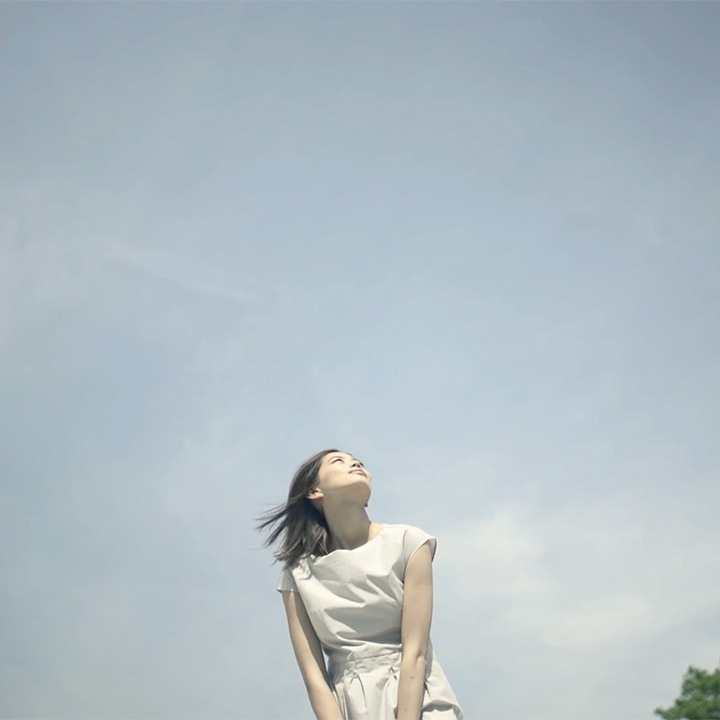
Being seen and not being abandoned are not the same. But there are no adults who understand that difference. And so, again tonight, Yuzuki walks into the wind, hoodie trailing behind her, heading toward that place.*