.webp)


.png)


the Unchosen
A.23 三宅 莉子(Riko Miyake)
English translation follows below.
家には、声がない。 父は出張が多く、母はリビングにいても話しかけてこない。 別に嫌われてるわけじゃないと思う。ただ、お互いに干渉しないだけ。
部屋にこもってると、だんだん時間が歪んでくる。 TikTokの音が延々とループして、気づいたら空が暗い。 食べることも、寝ることも、誰にも管理されない生活。
それを「自由」と呼べるなら、私はとっくに自由になってるはず。 だけど、毎日が空っぽで、どこにも爪痕が残らない。 だから、夜になると自然とあの場所に向かってしまう。
新宿の夜は、騒がしくて、でもどこか静かだ。 車の音も、看板の光も、人の声もあるのに、どこか心には届かない。 そんな場所が、好きなわけじゃないけど、なんとなく落ち着く。
たぶん、あの子を見たのは三回目くらいだった。 最初に見かけたのは、たしか数週間前。 黒いパーカー、伏せた目元、無言でスマホを見てる姿が印象的だった。
あの日も、その子はいた。 カラオケの先の、少しだけ光の少ない場所。 前よりほんの少しだけ近くに座った。たぶん、向こうもそれに気づいてた。
名前も知らない。 でも、なんとなく「また会ったな」って思った。 そんなふうに思える子が、同じ場所にいることが、少しだけうれしかった。
私たちは、言葉を交わしたことがない。 けれど、視線がふと交わったとき、何かを言いかけたような気がした。
そのとき、向こうが少しだけ笑った気がした。 気のせいかもしれない。でも、その表情がずっと残ってる。
この場所には、そういう距離の関係がいくつもある。 深く踏み込まない。でも、たしかに「いる」と感じられる距離。
今夜は、スマホを開いてもあまり通知が来なかった。 画面を何度もスライドするうちに、映り込んだ自分の顔が少しだけ違って見えた。
あの子も、何度か私のほうを見た気がする。 それが偶然でも、錯覚でも、ちょっとだけ救われる。
指先がふるえていた。 でも、話しかけなかった。 今のままがちょうどいい気がした。
数日後、SNSで誰かのポストを見て、背景に自分の横顔がうっすら写っているのに気づいた。 すぐに消されたかもしれないけど、その一瞬だけ、誰かの画面に映ったことが嬉しかった。
たぶん、あの子の投稿だった。
名前はまだ知らない。 でも、また会える気がしてる。 それだけで、今は十分。
もし、あの夜、話しかけていたら—— 何か、変わってたのかな。
|1|演出という輪郭
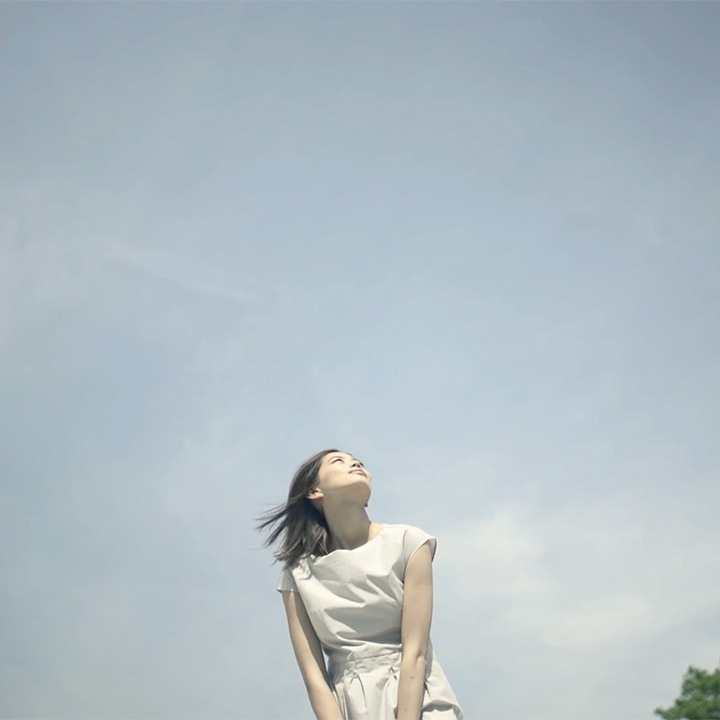
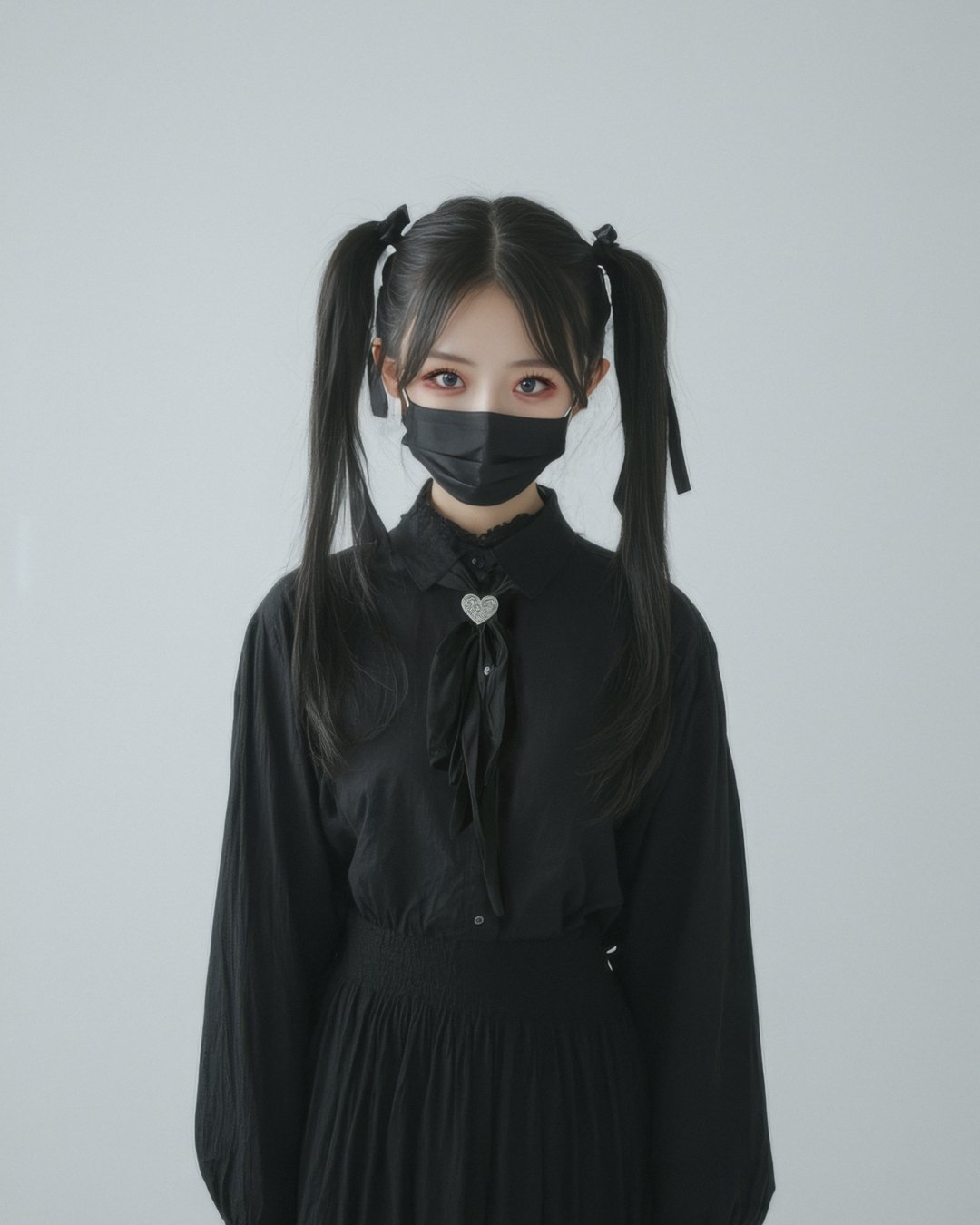
午後、鏡の前で莉子は今日の“顔”をつくる。 前髪を左右対称に整え、マットなファンデで肌を塗り直す。ツインテールの角度を細かく調整し、黒いブラウスの襟を指で正す。自分の輪郭は、他者の視線に耐えるために毎日更新される。演出は、彼女が彼女であるための唯一の証明だ。
TikTokを開く。誰かの“盛れた顔”が次々と流れる。 見られたいわけじゃない。でも、見られなければ存在できない。 その矛盾のなかに、莉子は静かに佇んでいる。
新宿の夜は、彼女にとって「なにも言わなくていい場所」だ。 知っている子たちの輪にまぎれて、写真を撮ったり、スマホをいじったりする。 深い会話はない。でも、それで十分。 彼女たちは、誰にも壊されないために、演出された“かわいさ”という盾をまとっている。
|2|沈黙の中の東京
世田谷の家は静かだ。父は出張続きで、母は在宅のまま姿を見せない。 経済的に困っているわけではない。でも、誰にも干渉されない日々は、時間だけを空洞のように積み重ねていく。
誰にも必要とされていない気がする——でもそれを言葉にすることは、あまりにも幼くて、情けなくて、恥ずかしい。 だから莉子は、ただ病んで、沈黙し、自分の感情の正体を見失ったまま、すべてを“かわいさ”で塗りつぶしていく。
メイクも服も表情も、自分自身に関心を向けてほしいという無言の叫び。 でも誰も、それを聞き取る耳を持っていない。彼女自身も、どうしてそうしたいのか、うまく説明できない。
「かまってちゃん」として片づけられるのがいちばん怖い。 でも、「なにもしない子」として見過ごされるのは、もっと怖い。
SNSには誰もが“演じる自分”を持っている。 その虚構の海の中で、莉子は「無視されないこと」だけを望んでいる。 でも、本当は誰かに、「わかってるよ」と言ってほしかったのかもしれない。
|3|制度に見捨てられる、ということ
三宅莉子は“どこにも問題がないように見える子”だ。 父は大企業に勤めていて、制服も高価な私立校のもの。SNSの写真も整っている。
だが、それこそが構造的な盲点だ。 現代の日本社会において、福祉や支援の目は、貧困や暴力といった“明らかなリスク”に集中している。
経済的困窮やネグレクトが見える子どもには支援が届く一方で、感情の飢餓や「無関心に包まれた孤立」は見逃される。 一見問題のない家庭の中に、沈黙や距離感の暴力が潜むことは、制度の設計上、想定されていない。
核家族化と共働き、都市部の生活パターン、そして教育の管理主義—— それらは、“問題を起こさない子”を見逃す温床になっている。
東京の中高一貫校は、学業と進路という名の“正解”に生徒を従わせる。 表面的には自由に見えるが、その実、逸脱の余地はきわめて狭い。 個性を謳う制度のなかで、もっとも“適応しているように見える子”こそ、実はもっとも声を上げづらい。
だが今、Z世代の一部にとって、“生きづらさ”は必ずしも過激な反抗や逸脱として現れない。 SNSと都市空間を交差する中で、演出や“かわいさ”が、社会との接点そのものになっている。
地雷系メイクも、トー横への集まりも、それ自体が「私はここにいる」と発するサインである。 それを単なる流行やファッションとして片付けることは、彼女たちが発している微かな声を、再び消すことになる。
演出は、生き延びるための戦略だ。 でも、演出しつづけなければ消えるとしたら、それは支援の不在が生んだ新しい暴力かもしれない。
それでは、どうすればいいのか。
まず、「見えていない孤立」を制度が認識すること。 声を上げられない子どもがいる、という前提を社会が持つこと。 そして、大人たちが“壊れてから”ではなく、“壊れる前”に気づける構造をつくること。
莉子は、今日もまた自分の輪郭をつくり、あの場所へ向かって歩き出す。
Login • InstagramWelcome back to Instagram. Sign in to check out what your friwww.instagram.com
ビジュアル作品はインスタグラムに投稿中 ↑
To Never Be Broken
for the Unchosen
A.23 Riko Miyake
There’s no voice in the house. Dad’s always on business trips. Mom’s home, but barely speaks. It’s not like they hate me. We just don’t interfere.
Time starts to warp when I stay in my room too long. TikToks loop endlessly, and suddenly, it’s dark outside. Eating, sleeping—no one checks. No one notices.
If this is "freedom," then I should already feel free. But each day feels hollow. Nothing leaves a mark. That’s why I end up heading to that place at night.
The night in Shinjuku is loud, and yet, strangely quiet. Cars, neon lights, voices—all of it buzzes, but none of it really touches me. I don’t love this place, but I find myself at ease here.
I think that was the third time I saw her. The first was a few weeks ago—black hoodie, head down, phone in hand, silent. She stuck in my mind.
She was there again that night. Same dim corner past the karaoke spot. This time, I sat a little closer. I think she noticed.
I don’t know her name. But it felt like, "we met again." And for some reason, that thought made me a little happy.
We’ve never spoken. But when our eyes briefly met, it felt like we almost said something.
In that moment, I thought I saw her smile—just a little. Maybe I imagined it. But that image stayed with me.
This place has many relationships like that. No deep connection, just enough presence to feel real.
Tonight, my phone was quiet. No buzzes, no messages. As I flipped through the apps, my reflection in the screen looked a little different.
I think she looked my way, once or twice. Maybe it was coincidence. Maybe not. Either way, it helped.
My fingers trembled a bit. But I didn’t say anything. It felt like this—this silent space—was just right.
A few days later, I saw a post on someone’s feed. My profile—just a sliver of it—was in the background. Maybe it got deleted quickly. Still, being visible, even briefly, felt nice.
I think it was her post.
I still don’t know her name. But I feel like I’ll see her again. And for now, that’s enough.
If I had spoken to her that night— would something have changed?
|1| The Outline of Performance
In the afternoon, Riko creates today's "face" in front of the mirror. She aligns her bangs symmetrically, reapplies a matte foundation, adjusts the angle of her twin tails, and straightens the collar of her black blouse. Her outline is renewed each day to endure the eyes of others. The act of performing is the only proof that she exists.
She opens TikTok. Faces, perfectly filtered and curated, flow past her. She doesn’t particularly want to be seen. But if she isn’t seen, she feels she might disappear. In that contradiction, Riko stands quietly.
The night in Shinjuku is a place where she doesn't have to say anything. She slips into familiar circles, takes photos, scrolls through her phone. There’s little conversation—but that’s enough. To remain unbroken, she wears the armor of manufactured cuteness.
|2| Silence in Tokyo
Her home in Setagaya is quiet. Her father is always away on business. Her mother works from home but is barely present. They are not struggling financially, but the absence of interaction lets time accumulate like a hollow shell.
She feels like no one needs her—but to say that aloud would sound too childish, too pathetic, too embarrassing. So Riko retreats into her sickness, into her silence, losing track of what her emotions even mean, painting everything over with cuteness.
Her makeup, her clothes, even her facial expressions are silent screams for attention. But no one has the ears to hear them. Not even she knows why she wants to be noticed.
Being dismissed as "a needy girl" is terrifying. But being completely overlooked—as "the girl who does nothing"—is even worse.
Everyone has a version of themselves they perform on social media. In that sea of fiction, all Riko wants is not to be ignored. Maybe, deep down, she just wanted someone to say, “I see you.”
|3| Abandoned by the System
On the surface, Riko Miyake appears to be a girl with no problems. Her father works for a major company. Her school uniform is from a prestigious private institution. Her social media posts are perfectly curated.
But that surface is exactly the structural blind spot. In modern Japanese society, welfare and support systems concentrate on obvious risks—poverty, abuse, neglect.
Children suffering emotional hunger or isolation cloaked in silence are often missed entirely. Violence in the form of emotional distance isn’t factored into how the system defines “risk.”
The shift to nuclear families, dual-income households, and the lifestyle patterns of urban Japan— These have all created the conditions in which children who appear to “cause no trouble” go unseen.
Tokyo's elite schools impose the ideal of success—academic scores, university admissions—as the only path. They speak of “individuality,” but leave no room for deviation. Those who seem to adapt best often have the hardest time raising their voices.
For some of Gen Z, distress doesn’t always show up as rebellion or drastic escape. In the interspace between social media and city streets, “performance” and “cuteness” have become their point of contact with the world.
Jirai-style makeup, gathering at Tōyoko—each is a quiet signal: “I am here.” To dismiss them as mere fashion is to erase the faint voices being spoken.
Performance is a strategy for survival. But if survival requires constant performance, then perhaps the absence of support has become a new form of violence.
So what can we do?
First, systems must learn to recognize the invisible isolation. Society must accept that some children cannot raise their voices. And adults must build structures that notice before they break—not only after.
Today again, Riko sculpts her outline and walks toward that place.