.webp)


.png)


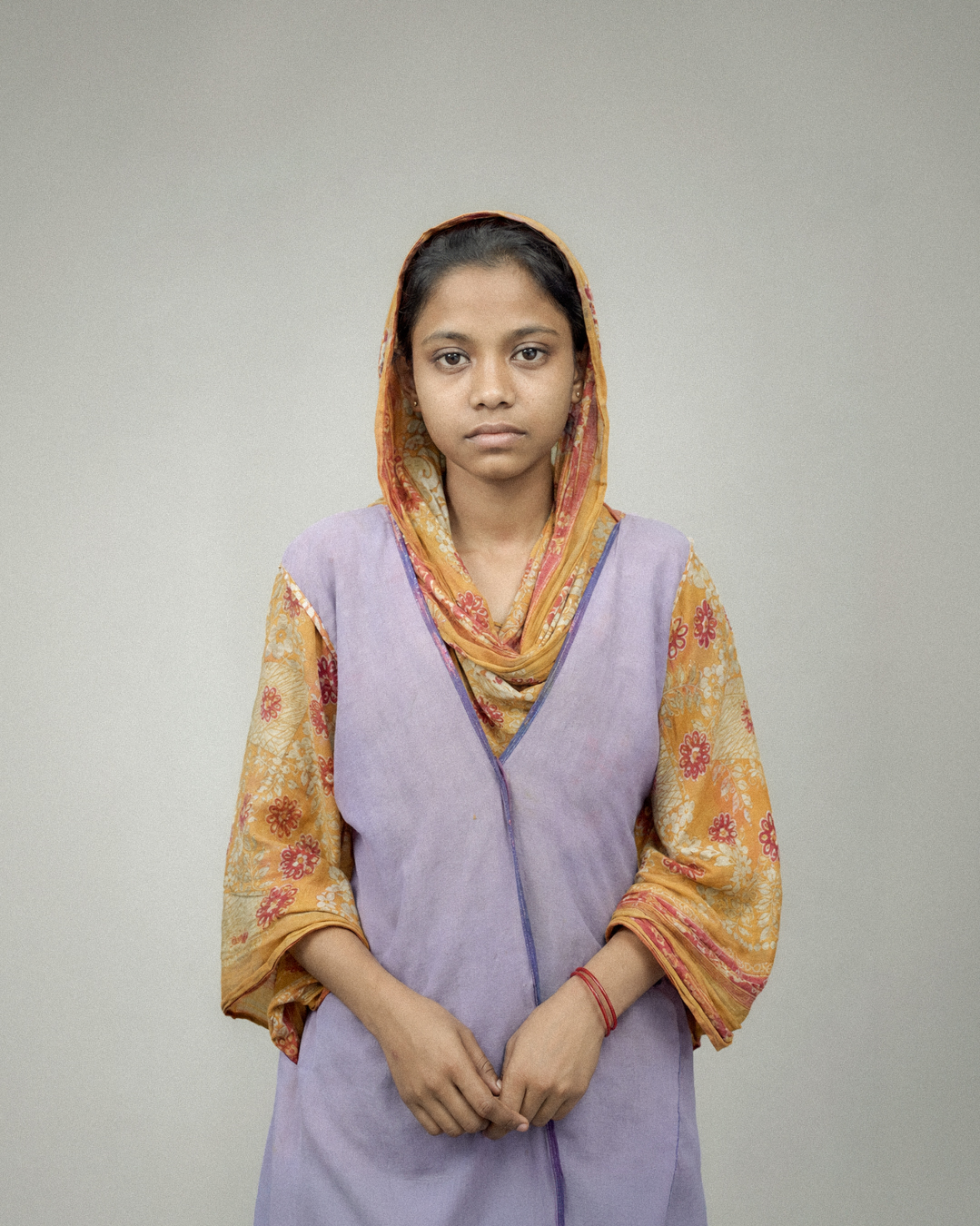
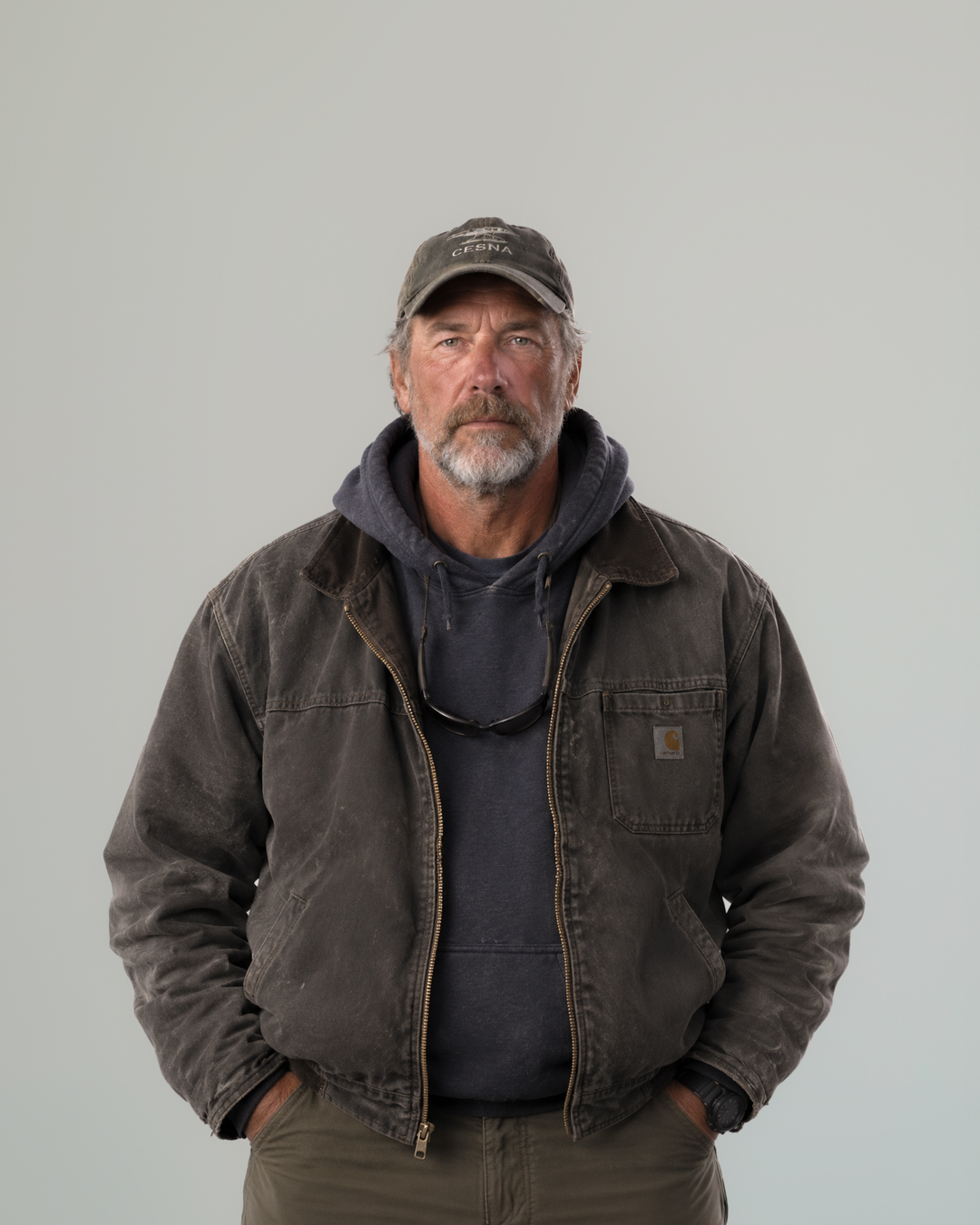
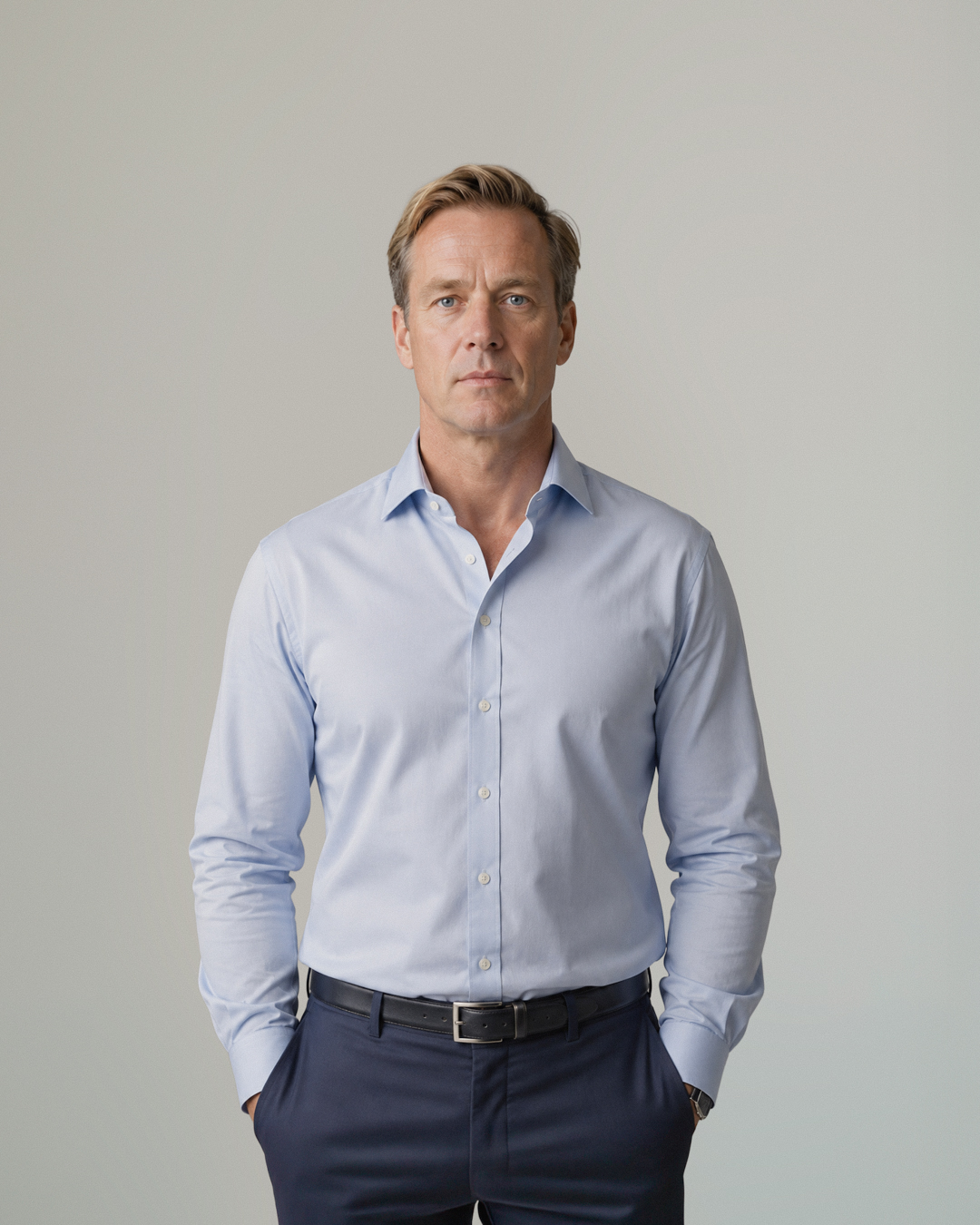
The Unchosen に映るのは、東京郊外に暮らす24歳の一人である。
特別な物語はない。
制服と日常のなかに、今の都市の現実が沈んでいる。
Dedicated to the portrait series The Unchosen
A27 / 松田恵菜 Matsuda Ena

コンビニの裏口から外に出ると、まだ暗い。
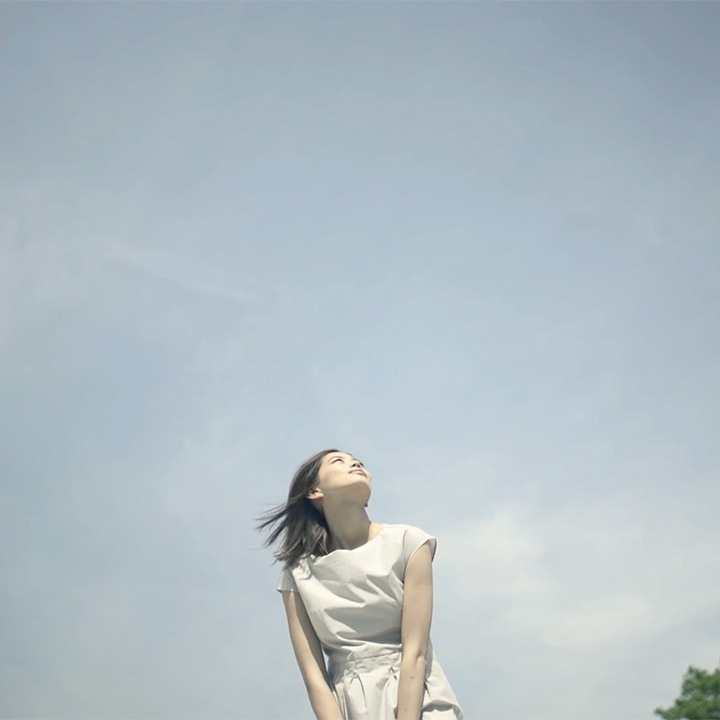
ゴミ袋を片手に持ちながら、ふと空を見上げる。
冷たい空気に触れると、身体の中の眠気がすこしだけ剥がれていく気がする。
たぶん、誰も気にしない時間。
だけど、私はこの一瞬を覚えておきたいと思う。
⸻
レジに立つと、私の名前は消える。
制服を着て、バーコードを通して、袋を差し出す。
「温めますか?」と口にすると、もうそれは私ではなく、誰かが用意したセリフみたいだ。
それでも、お釣りを渡すときに触れる小銭の冷たさは、毎回ちがう。
紙幣の感触も、知らない人の手の重さも。
だから、ただの繰り返しみたいな仕事のなかで、ほんの少しずつ私の一日が削られていく。
⸻
休憩のとき、缶コーヒーを買って、店の前のベンチに座る。
住宅街の向こうから電車の音がして、ふっと風が抜ける。
西武池袋線のホームを出入りする車両のアナウンスが、遠くからかすかに聞こえる。
その響きに合わせるように、駅前のロータリーではバスが次々と発車していく。
大きなショッピングセンターが建っていて、休日には親子連れや学生が集まる。
その隣で、小さな商店は静かにシャッターを下ろしていたりする。
にぎわいと寂しさが混ざった風景は、まるで街そのものが迷っているみたいだ。
⸻
帰り道、団地の明かりを見上げる。
どの窓にも生活があって、洗濯物があって、同じように明日を迎える人がいる。
私だけが立ち止まっているような気持ちになることもあるけれど、
この街の光に包まれていると、それもまた「普通の一部」なんだと思える。
夢や未来をまだ決められなくても、
ひばりヶ丘で過ごす今日が、きっと私の輪郭をつくっている。
1|暮らしの輪郭
西武池袋線「ひばりヶ丘」駅から徒歩12分。
築25年の1K、家賃6万円。
短大を卒業したあと、進路を定められず、学生時代に続けていたコンビニで働き続けている。
夢や大きな目標を語ることはない。
将来を考えると不安はあるが、切実ではない。
「普通に暮らせていれば安心だ」という感覚が先にある。
それは、地方で育ち、突出した教育や資源を与えられなかった多くの若者に共通する感覚でもある。
2|労働の感覚
制服に袖を通すと、個人の境界は薄れる。
レジで商品を受け取り、バーコードをかざし、袋を差し出す。
数秒ごとに繰り返される短い接触は、記憶に残らない。
ただ、硬貨の湿りや紙幣のざらつきが手に残り、
声を出すたびに喉が乾き、笑みを作る口角にわずかな疲れが生まれる。
品出しは単調だ。
冷蔵ケースの冷気が背中にまとわりつき、
牛乳パックの重みが腕に鈍さを残す。
賞味期限の数字を確かめる目は、流れるように訓練されている。
作業は同じだが、身体に刻まれる感覚はわずかに違う。
ゴミを捨てに外へ出る。
早朝の空気が一気に肌に触れる。
静かな住宅街、遠くの電車の音。
空を見上げて、ほんの短い間「きれいだ」と思う。
それは夢や未来のことではなく、今この瞬間の感覚に近い。
やがてまた店内に戻り、機械的な動作を繰り返す。
その繰り返しのなかに、彼女の一日が刻まれている。
3|社会の断面
現代の日本には、彼女のような若者が数多く存在している。
地方から都市に出て、短大や専門学校を卒業し、
目立った資格も技術も持たずに社会に出る。
そこで直面するのは、正社員への入口が狭まった雇用市場だ。
短大や専門学校は、「とりあえず進学する場所」として選ばれることが多い。
教育熱心な家庭でなければ、四年制大学は視野に入りにくい。
二年制の学校で一般的な知識や資格を得ても、
出口には非正規や派遣の仕事が広がっている。
卒業と同時に社会の本流から外れていく若者は少なくない。
非正規雇用は一時的な働き方ではなく、
長く続く前提のように制度化されている。
生活を支えるにはぎりぎりで、
未来を描くには不安定だ。
だが、それでも都市の日常を回す労働として必要とされている。
こうした仕事は、コンビニや飲食、小売といった現場に吸収される。
シフト制、技能を問わない仕事内容、
誰かが去ればすぐに別の誰かが立つ仕組み。
顔は交換可能で、記憶に残らない。
それでも、この労働の連続によって都市は24時間を保っている。
松田恵菜の姿は、一人を特別に描くものではない。
それは、現代日本がかたちづくった「普通」という輪郭のひとつにすぎない。
【日本語定型文】
本作に登場する人物・語りは、実在の個人に基づいたものではありません。
設定・描写にあたっては、人物の文化背景、言語、歴史、現在の社会状況について文献・記録・当事者の語り等を調べた上で構成しています。
ただし、たとえ綿密なリサーチをもとにしていても、“他者の声を仮構すること”には構造的な危うさがあると私は考えています。
この作品は、その危うさごと提出するための試みです。

A27 Between Morning and Night
The Unchosen depicts a 24-year-old living in suburban Tokyo.
There is no exceptional story.
Within the uniform and the routine lies the reality of the contemporary city.
Dedicated to the portrait series The Unchosen
Face–N.17 / Matsuda Ena

When I step out from the back door of the convenience store, it’s still dark.
Holding a trash bag in one hand, I glance up at the sky.
The cold air brushes against my skin, peeling away just a little of the sleep still stuck inside me.
It’s a moment no one notices.
But somehow, I want to remember it.
⸻
Once I’m behind the register, my name disappears.
In uniform, scanning barcodes, handing out bags—
“Would you like this heated?” slips from my mouth like a line I was given to perform.
And yet, the coins I hand back are never the same temperature twice.
The texture of bills, the weight of a stranger’s hand—each is slightly different.
So even in this endless repetition, my day is quietly worn into my body.
⸻
On break, I buy a can of coffee and sit on the bench in front of the store.
From beyond the houses, the sound of the train drifts in.
Announcements for the Seibu Ikebukuro Line fade across the air,
and buses roll out one after another from the station rotary.
A big shopping center rises by the station, filled with families and students on weekends.
Right beside it, small shops quietly keep their shutters half-closed.
Bustle and emptiness tangled together—the city itself feels like it’s hesitating.
⸻
Walking home, I look up at the lights of the apartment blocks.
Each window holds a life, laundry hanging, someone else waiting for tomorrow.
Sometimes I feel like I’m the only one standing still,
but wrapped in the glow of this town, I realize I’m just part of “ordinary.”
Even without big dreams or a clear future,
my days in Hibarigaoka are shaping the outline of who I am.
1|Outline of Life
A twelve-minute walk from Hibarigaoka station.
A 25-year-old apartment, one room, ¥60,000 rent.
After junior college, she did not secure a path,
and continued working at the convenience store where she had worked as a student.
She does not speak of grand ambitions.
The future gives her unease, but not urgency.
The sense that “as long as life stays ordinary, it is enough” comes first.
This is not unique to her, but a common feeling among many young people
who grew up in families without strong educational pressure or abundant resources.
2|The Sense of Work
Putting on the uniform, her individuality fades.
At the register, items pass through her hands,
the scanner beeps, a bag is handed over.
Each interaction lasts seconds, then vanishes.
Still, the dampness of coins and the roughness of bills remain on her fingers.
Her throat dries with repeated phrases,
and the small strain in her smile lingers at the edge of her mouth.
Restocking is monotonous.
The chill from the refrigerator clings to her back.
Milk cartons leave her arms heavy.
Checking expiry dates, her eyes move with practiced rhythm.
The actions repeat, but the body holds their impressions.
Taking trash outside, the dawn air strikes her skin.
A silent street, the distant sound of a train.
She looks up and, for a brief moment, thinks the sky is beautiful.
It is not about dreams or future, but about the present instant.
Soon she returns inside, repeating the mechanical tasks.
Within that repetition, her day is inscribed.
3|A Social Cross-Section
Japan today holds countless young people like her.
They move from provincial towns to the city,
graduate from junior colleges or vocational schools,
and enter society without distinct skills or titles.
They face a labor market where entry to stable employment is narrowing.
Junior colleges and vocational schools are often chosen simply as places to advance for a while.
For families less focused on education, four-year universities are distant.
Even with some knowledge or a certificate,
the exit frequently leads to non-regular or dispatch work.
Many drift outside the main stream of society upon graduation.
Non-regular employment is no longer temporary,
but institutionalized as a long-term condition.
It sustains daily life at the minimum,
yet is too unstable to build a future upon.
Still, it is indispensable to the everyday operation of the city.
Such work is absorbed into convenience stores, restaurants, retail.
Shifts rotate, tasks require little skill,
one face leaves, another replaces it.
Faces are interchangeable, forgotten.
Yet through this succession, the metropolis maintains its 24-hour rhythm.
The figure of Matsuda Ena does not portray a singular life.
It reflects one contour of what Japan has come to define as ordinary.
【English disclaimer】
The characters and narratives presented here are not based on any real individuals.
They are constructed through research into cultural backgrounds, languages, histories, and contemporary conditions, including archival sources and first-person accounts.
However, even when rooted in thorough research, I believe that fictionalizing the voice of another carries inherent structural risk.
This piece is an attempt to present that risk itself—openly and with accountability.