.webp)


.png)


The Unchosen E.42
Yolanda Quispe Mamani(ヨランダ・キスペ・ママニ)
(English translation follows below)
仕分けは三つだ。一級品。二級品。残り。服を分けるための言葉だ。でも、この三つの言葉を一日に何百回も口の中で繰り返していると、いつのまにか、服以外のものも、この三つに分けている。
一級品。まだ売れるもの。汚れが少なく、縫い目がほつれていない。色が褪せすぎていない。ビニール袋に入れて、市場の業者に渡す。一枚いくらの値がつく。先がある、ということだ。ダニエルは数学が得意だ。来年、高校を卒業する。大学に行きたいと言う。ボリビア人の子供がチリの大学に行くための奨学金は少ない。少ないけれど、ゼロではない。書類を揃えれば可能性はある、と市役所の窓口で言われた。可能性。一級品の山は小さい。でも、ある。朝、ダニエルの弁当にレンズ豆を詰める。あの子は、先のあるものだ。
二級品。着ることはできないが、素材としては使えるもの。断裁すれば、別のものになる。断熱材になる。工業用の雑巾になる。キロ単位で買われる。形を変えれば、まだ生きられる。私はチャリャパタで中学2年まで行った。家に金がなかった。学校をやめて、別のものになった。今は砂漠で服を仕分けている。ビザは一時的なものだ。何度も更新する。更新するたびに、少しずつ別のものになる。フアンの車に乗る女たちも、みんな別のものになった人たちだ。ロサも、カルメンも、マリベルも。車の中で話さない。話さなくても、わかる。私たちは二級品だ。まだ使える。
残り。ロ・ケ・ケダ。繊維が劣化し、染料が褪せ、化学繊維が硬化して割れているもの。仕分けの対象にすらならない。砂漠にそのまま残される。誰も拾わない。大地が引き受ける。父は3年前に死んだ。帰れなかった。夫はイキケの足場から落ちて、オルロに帰った。送金はない。チャリャパタの家。父のポンチョ。私が行かなかった葬式。これは仕分けられない。救えない。砂漠の大地はすべてを引き受ける。服も、染料も、化学繊維も。ただし、大地は選ばない。人間がどこかで手放したものを、そのまま受け取るだけだ。8月1日、コカの葉と砂糖菓子を地面に埋めて祈る。大地がすべてを受け入れてくれるように。残りの山がいちばん大きい。それは知っている。
夜、ダニエルが宿題をしている横に座る。数式はわからない。でも、横に座ることはできる。砂漠では、残りの山がいちばん大きい。家には、一級品がひとつだけいる。私の手は、一日その三つを分けて、夜、そのひとつの隣に置かれている。
|1|
アルト・オスピシオ、まだ暗い。ヨランダ・キスペ・ママニ(43)は台所の裸電球の紐を引いて点け、やかんに水を入れてガスコンロに乗せた。コンクリートブロックの壁にはダニエルの高校の時間割表と、チャリャパタの祭りのときに撮った家族写真が画鋲で留めてある。写真の中の父はポンチョを着て笑っている。父は3年前に死んだ。帰れなかった。パンにマルガリーナを塗り、インスタントコーヒーにお湯を注ぐ。ダニエルの弁当箱にレンズ豆の煮込みとご飯を詰める。ダニエルはまだ寝ている。17歳の男の子は、起こさなければ起きない。ヨランダは弁当箱をビニール袋に入れてテーブルに置き、静かにドアを閉めて外に出る。空はまだ暗い。星が見える。アタカマの空は、星だけは美しい。
|2|
コレクティーボの運転手フアンは毎朝、同じ角に来る。乗客はヨランダのほかに3人。全員が同じ現場へ向かう女性たちだ。ロサ(56歳、ペルー人)、カルメン(38歳、チリ人)、そしてマリベル(27歳、ボリビア人)。4人は車内でほとんど話さない。話すことがないわけではない。話さなくても通じるからだ。20分で現場に着く。砂漠の中に、突然、色の山が現れる。何万着もの衣類が、圧縮されたベール(梱包)として積み上げられている。ベールの高さは2メートルを超えるものもある。ワイヤーで固く縛られた直方体。中身は世界中からイキケのZOFRI(自由貿易港)に入った中古衣料——買い手がつかなかったもの、品質検査で落ちたもの、輸入業者が処分コストを回避するために砂漠に置いていったもの。その量をヨランダは数字で知らない。知っているのは、今朝も目の前にベールがあるということだ。
ヨランダはカッターナイフでワイヤーを切り、ベールを開く。中から服がこぼれ出る。圧縮されていたせいで、開いた瞬間に化学繊維の匂いと防虫処理剤の甘い臭気が立ち上る。最初の数分は息を止めている。慣れる。慣れなければやめている。ヨランダはこの仕事を6年やっている。やめていない。
仕分けは3段階だ。「一級品(primera)」——まだ着られる状態のもの。汚れが少なく、縫い目がほつれておらず、色が褪せすぎていないもの。これはビニール袋に入れて、ラ・ケブラディーリャの露店市場の業者に引き渡す。一枚あたりCLP$50〜200。「二級品(segunda)」——着ることはできないが、素材として使えるもの。綿やウールは断裁して断熱材の原料やウエス(工業用雑巾)にする。キロ単位で買い取られる。1キロCLP$30。「残り(lo que queda)」——繊維が劣化し、染料が褪せ、化学繊維が硬化して割れているもの。これは仕分けの対象にすらならない。砂漠にそのまま残される。ヨランダはその山を「残り」と呼ぶ。残りがいちばん大きい。
|3|
休憩は、パンと水。日影がないので、ベールの山の影に座る。ロサが持ってきたみかんを半分もらう。カルメンが言う。「この前のベール、タグがついたまんまのが十枚以上あったよ。誰も着てないのに」。ヨランダは頷く。タグつきのものはときどきある。値札がそのまま残っているものもある。どこの国の通貨かわからない数字が印刷されている。誰かが店に並べ、誰も手に取らず、ここに来た。ヨランダはタグを剥がし、状態を見て、仕分ける。タグの値段は関係ない。今ここでいくらで売れるかだけが関係する。
作業が終わると、今日の分の一級品をビニール袋に入れ、コレクティーボに積む。フアンが現場まで迎えに来てくれる日もあれば、歩いて幹線道路まで出る日もある。今日は歩きだ。砂利道を20分歩く。足の裏が熱い。作業靴の底が薄くなってきた。次の靴を買う金があるかどうか、計算する。来月はダニエルの教科書代がかかる。数学と物理。ダニエルは数学が得意だ。ヨランダは中学2年で学校を辞めた。チャリャパタの家に金がなかったからだ。ダニエルには辞めさせない。辞めさせないために、ここにいる。
市場で野菜を買う。玉ねぎ、じゃがいも、トマト。帰宅してギソ(煮込み)を作る。ダニエルが学校から帰ってくる。「ただいま」。「おかえり」。テーブルに座り、二人で食べる。ダニエルが言う。「ママ、奨学金の書類、市役所でもらった」。ヨランダは書類を受け取り、広げる。スペイン語の書面だ。在留資格の証明、成績証明書、収入証明書。収入証明書——正式な雇用契約がないヨランダにとって、これがいちばん難しい。でも、方法がないわけではない。フンタ・デ・ベシノス(Junta de Vecinos、近隣住民会)の会長に頼めば、非正規労働の証明書を出してもらえるかもしれない。たぶん。書類を一つずつ揃える。ヨランダの人生は書類でできている。ビザの更新、在留許可、息子の学校の登録、水道の申請。書類を出し続ける限り、ここにいられる。だから出し続ける。
|4|
ダニエルが数学の宿題をしている。ノートを覗く。二次方程式、関数のグラフ、微分の導入。ヨランダにはわからない。でも、横に座っている。ダニエルが何かを書き、消し、また書く。鉛筆の音がする。ヨランダは左手首の赤い毛糸に触れる。パチャママの加護を求めるアイマラの習慣。チャリャパタの母から教わったものだ。8月1日にはコカの葉と砂糖菓子を大地に埋めて祈る。大地がすべてを受け入れてくれるように。砂漠の大地も、すべてを受け入れている。服も、化学繊維も、染料も。ただし、大地は選ばない。人間がどこかで手放したものを、大地がそのまま引き受けている。
ヨランダは立ち上がり、台所で水を一杯飲む。窓の外に星が見える。アタカマの夜空は、世界でいちばん星が多いと、ダニエルが学校で習ったと言っていた。星を見るための巨大な望遠鏡が、どこかの山の上にあるらしい。世界中から人が来て、その望遠鏡で空を覗く。ヨランダは望遠鏡を使わない。砂漠の古着の山から20分歩いた家の窓から、裸眼で星を見る。世界が遠くから見にくる空と、ヨランダが流し台の窓から見上げる空は、同じ空だ。同じ星だ。ダニエルがノートを閉じる。「おやすみ、ママ」。「おやすみ」。ヨランダは電気を消す。
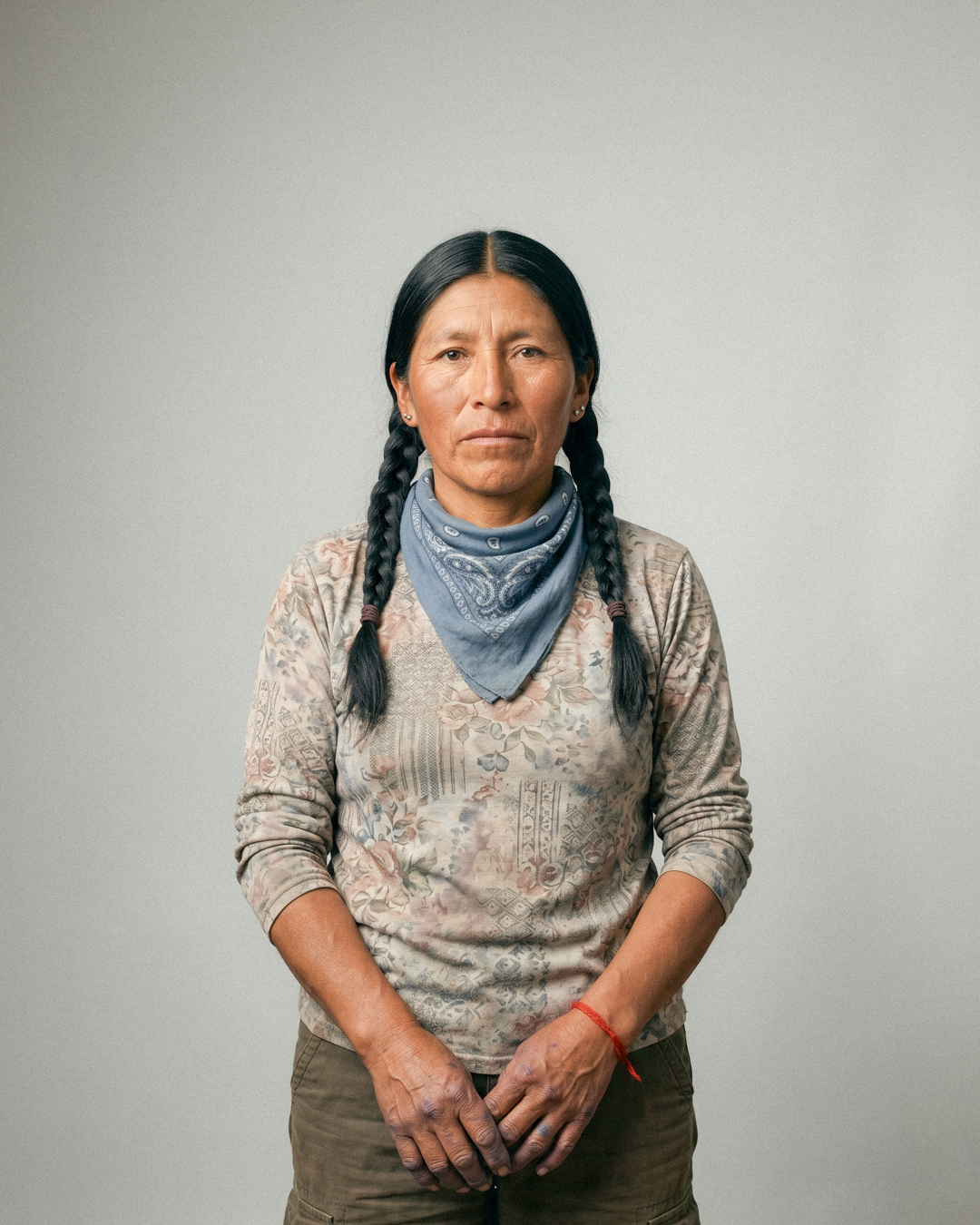
English
AI sort into three. Primera. Segunda. Lo que queda. They are words for dividing clothes. But when you repeat the three of them in your mouth hundreds of times a day, you start, without noticing, to divide other things into the three as well.
Primera, the first grade. Still sellable. Little soiling, seams not unraveled, color not too faded. Into plastic bags, handed to the market vendors. Each piece gets a price. It means there is a road ahead. Daniel is good at math. Next year he finishes high school. He says he wants to go to university. Scholarships for Bolivian children to attend Chilean universities are few. Few, but not zero. If I gather the documents, there is a possibility, the clerk at the municipal office said. A possibility. The primera pile is small. But it exists. In the morning I pack lentils into Daniel's lunch. That boy is a thing with a road ahead.
Segunda, the second grade. Cannot be worn, but still usable as material. Cut it up and it becomes something else. Insulation. Industrial rags. Bought by the kilo. Change its form and it can still live. I went to school in Challapata until the second year of secondary. There was no money at home. I left school and became something else. Now I sort clothes in the desert. My visa is temporary. I renew it again and again. Each renewal, I become a little more something else. The women in Juan's van are also people who became something else. Rosa. Carmen. Maribel. We don't talk in the van. We understand without talking. We are segunda. Still usable.
Lo que queda. What remains. Fibers degraded, dyes faded, synthetic fabric hardened and split. Not even subject to sorting. Left in the desert as it is. No one picks it up. The earth takes it on. My father died three years ago. I could not go back. My husband fell from a scaffold in Iquique and returned to Oruro. There are no remittances. The house in Challapata. My father's poncho. The funeral I did not attend. These cannot be sorted. They cannot be saved. The desert earth takes on everything. Clothes, dyes, synthetic fiber. But the earth does not choose. It only receives what people let go of somewhere. On the first of August I bury coca leaves and sugar candies in the ground and pray—that the earth will accept everything. The pile of lo que queda is the largest. I know that.
At night I sit beside Daniel while he does his homework. I cannot follow the formulas. But I can sit beside him. In the desert, the pile of what remains is the largest. At home, there is only one piece of primera. My hands sort the three all day, and at night they are set down beside that one.
|1|
Alto Hospicio, still dark. Yolanda Quispe Mamani (43) pulls the cord on the bare kitchen bulb and places the kettle on the gas stove. On the concrete-block wall, Daniel's high school timetable and a family photograph from a festival in Challapata are pinned with thumbtacks. In the photograph, her father wears a poncho and is smiling. Her father died three years ago. She could not go back. She spreads margarine on bread and pours hot water over instant coffee. She packs Daniel's lunchbox with lentil stew and rice. Daniel is still asleep. A seventeen-year-old boy will not wake unless you wake him. Yolanda puts the lunchbox in a plastic bag, sets it on the table, and quietly closes the door behind her. The sky is still dark. Stars are visible. The Atacama sky—the stars, at least, are beautiful.
|2|
The colectivo driver, Juan, comes to the same corner every morning. Besides Yolanda, there are three passengers. All women heading to the same site. Rosa (56, Peruvian), Carmen (38, Chilean), and Maribel (27, Bolivian). The four of them barely speak in the van. Not because there is nothing to say. Because they understand each other without saying it. Twenty minutes to the site. In the middle of the desert, suddenly, mountains of color appear. Tens of thousands of garments, stacked as compressed bales. Some bales are over two meters tall. Wire-bound rectangular blocks. Inside is secondhand clothing from around the world that entered through Iquique's ZOFRI—items that found no buyer, failed quality inspection, or were abandoned by importers avoiding disposal costs. Yolanda does not know the tonnage. What she knows is that this morning, too, bales are in front of her.
Yolanda cuts the wire with a box cutter and opens the bale. Clothes spill out. Because they were compressed, the moment the bale opens, the smell of synthetic fibers and the sweet chemical odor of insect-repellent treatment rise into the air. She holds her breath for the first few minutes. Then she gets used to it. If she had not gotten used to it, she would have quit. Yolanda has been doing this work for six years. She has not quit.
Sorting is a three-tier process. "Primera"—still wearable. Little soiling, seams intact, color not excessively faded. These go into plastic bags and are handed to vendors at the La Quebradilla open-air market. CLP$50 to $200 per item. "Segunda"—not wearable, but usable as material. Cotton and wool are cut into raw material for thermal insulation or industrial rags. These are bought by the kilogram. CLP$30 per kilo. "Lo que queda"—the remainder. Fibers degraded, dyes faded, synthetic fabric hardened and cracked. These are not even subject to sorting. They are left in the desert. Yolanda calls that pile "lo que queda." The remainder is the largest.
|3|
A break: bread and water. There is no shade, so she sits in the shadow of a bale stack. Rosa shares half a mandarin orange. Carmen says, "That last bale—more than ten pieces still had the tags on. Nobody ever wore them." Yolanda nods. Tagged items turn up from time to time. Some still have price stickers. Numbers printed in currencies she cannot identify. Someone put them on a shelf, nobody picked them up, and they ended up here. Yolanda peels off the tag, checks the condition, sorts. The price on the tag does not matter. Only what it can sell for here and now matters.
When work is finished, the day's primera goes into plastic bags and onto the colectivo. Some days Juan drives out to the site to pick them up; other days they walk to the main road. Today is a walking day. Twenty minutes on the gravel road. The soles of her feet are hot. The bottoms of her work boots are wearing thin. She calculates whether she has money for the next pair. Next month, Daniel's textbooks are due. Math and physics. Daniel is good at math. Yolanda left school in the second year of secondary. There was no money in the house in Challapata. She will not let Daniel leave. She is here so he will not have to leave.
She buys vegetables at the market. Onions, potatoes, tomatoes. Home, she makes a guiso. Daniel comes back from school. "I'm home." "Welcome back." They sit at the table and eat. Daniel says, "Mama, I got the scholarship documents from the municipal office." Yolanda takes the papers and unfolds them. They are in Spanish. Proof of residency status, academic transcripts, proof of income. Proof of income—for Yolanda, who has no formal employment contract, this is the hardest one. But it is not impossible. If she asks the president of the Junta de Vecinos—the neighborhood council—he might be able to issue a certificate attesting to her informal work. Perhaps. She will gather the documents one by one. Yolanda's life is made of documents. Visa renewals, residency permits, her son's school enrollment, the water-supply application. As long as she keeps submitting documents, she can stay here. So she keeps submitting.
|4|
Daniel is doing his math homework. She glances at the notebook. Quadratic equations, function graphs, an introduction to derivatives. Yolanda cannot understand them. But she sits beside him. Daniel writes something, erases it, writes again. The sound of pencil on paper. Yolanda touches the red yarn on her left wrist. An Aymara custom, invoking the protection of Pachamama. Her mother in Challapata taught her. On the first of August, you bury coca leaves and sugar candies in the earth and pray. So the earth will accept everything. The desert earth, too, accepts everything. Clothes, synthetic fibers, dyes. But the earth does not choose. It simply takes on what humans let go of somewhere.
Yolanda stands and drinks a glass of water in the kitchen. Through the window, stars are visible. Daniel told her he learned at school that the Atacama night sky has more visible stars than anywhere else on earth. Somewhere on a mountain, apparently, there is an enormous telescope for looking at stars. People come from all over the world to peer at the sky through it. Yolanda does not use a telescope. From the window of a house twenty minutes' walk from the clothing piles in the desert, she looks at the stars with her bare eyes. The sky the world travels far to look at, and the sky Yolanda looks up at from the kitchen window, are the same sky. The same stars. Daniel closes his notebook. "Good night, Mama." "Good night." Yolanda turns off the light.
日本語本作に登場する人物・語りは、実在の個人に基づいたものではありません。設定・描写にあたっては、人物の文化背景、言語、歴史、現在の社会状況について文献・記録・当事者の語り等を調査し、それらをもとに構成・再構成し、物語として描いています。ただし、たとえ綿密なリサーチをもとにしていても、"他者の声を仮構すること"には構造的な危うさがあると私は考えています。この作品は、その危うさごと提出するための試みです。
EnglishThe characters and narratives presented here are not based on any real individuals.The setting and depiction are constructed and restructured through research into cultural backgrounds, languages, histories, and contemporary conditions—including archival sources and first-person accounts—and are rendered here as a narrative.However, even when grounded in careful research, I believe that fictionalizing the voice of another carries inherent structural risk.This piece is an attempt to present that risk itself—openly and with accountability.