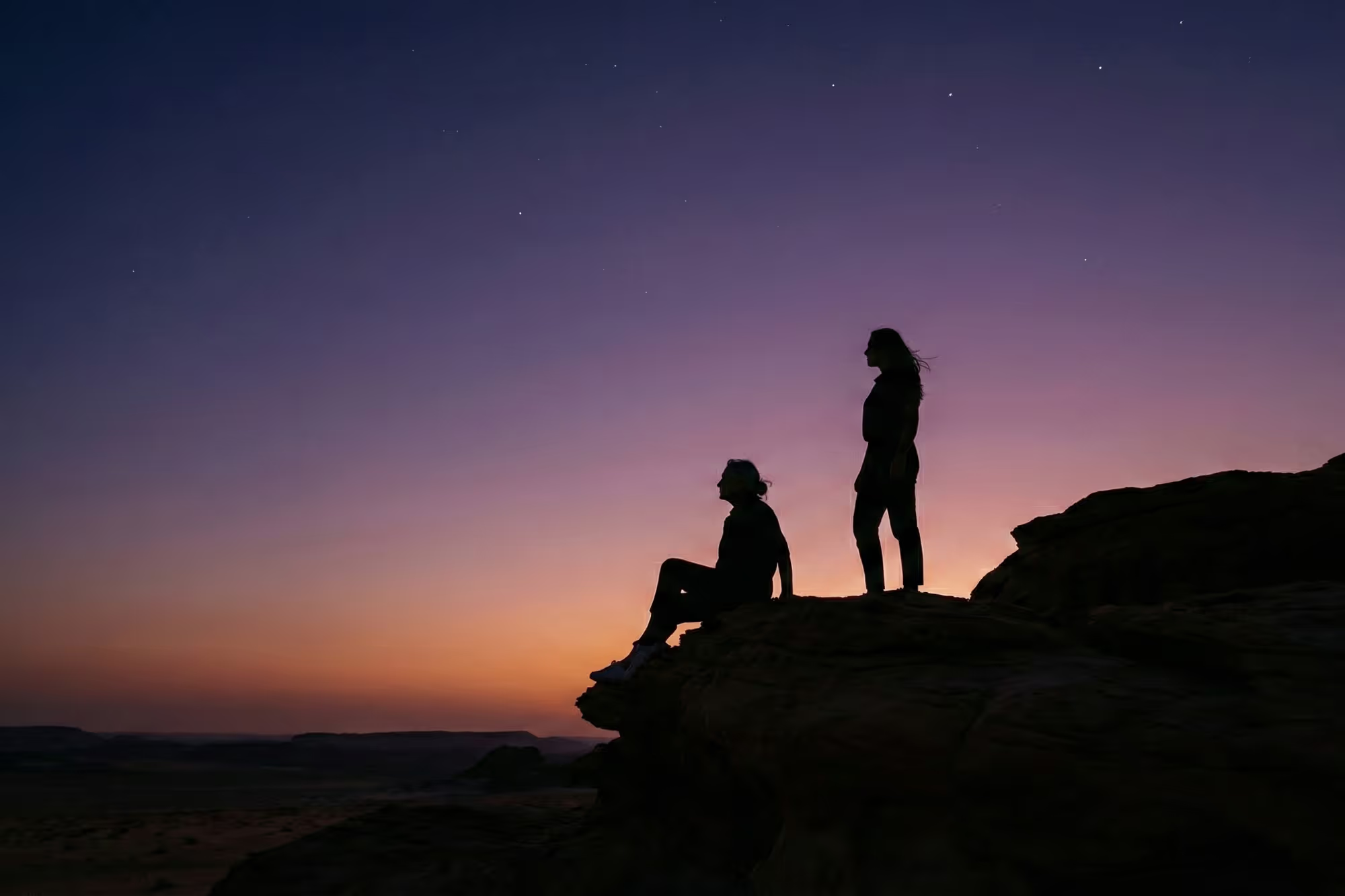
.webp)


.png)


The Unchosen U.19
Megan Leigh Harrison(メーガン・リー・ハリソン)
(English translation follows below)
私はその人の名前を知らない。
でも、何時に家を出るかは知っている。朝、どの路地を通るかを知っている。どの建物の前で立ち止まるかを知っている。誰と話すかを知っている。屋上に出る時間を知っている。白いカップで何かを飲むことも知っている。
名前は知らない。
それなのに、その人の生活だけを知っている。
この仕事でいちばんおかしなところは、たぶんそこだと思う。
シフトが始まる前、私は駐車場で5分だけ車の中にいる。エンジンを切る。窓を少し開ける。ネバダの朝の空気は乾いていて、薄い。深く吸っても、胸の奥まで届かない感じがする。
何も考えないようにする。
今日の座標のことも、昨日のログのことも、母に電話していないことも、ブレイクのことも考えない。考えないために、外の空気を吸っている。5分間。それが終わると、窓を閉め、車を降りる。
IDバッジをかざしてゲートを通る。GCSのドアを開ける。
ドアが閉まると、外の光が消える。
部屋は暗い。空調は18度に設定されている。最初は寒いと思っていた。今は寒いというより、体の表面だけが別の場所に置かれているような感じがする。椅子に座る。ログインする。ヘッドセットをつける。モニターが4台、順番に点灯する。
もう一つの世界が始まる。
画面には地上が映っている。地球の反対側の、どこかの街の、どこかの通り。平らな屋根。細い路地。日干しレンガの壁。洗濯物。バイク。犬。子供。
朝の光が差している。
私はそれを12時間見る。
見ることが仕事だ。
最初のころは、もっと任務として見ていた。標的。移動。接触。建物。車両。異常行動。そういう言葉に集中していればよかった。
でも、長く見ていると、余計なものが見えてくる。
朝にパンを持って隣の建物へ行く人がいる。最初は「移動」として記録する。次の日も同じ時間に行く。三日目も行く。そうすると、それが誰かへの差し入れなのか、家族の朝食なのかを考えてしまう。
考えるべきではない。
画面の隅を子供が走る。私はその子供を追う必要はない。対象ではない。ログに書く必要もない。ただ、モニターの中を横切っていくだけだ。子供が画面の外へ出ると、少し安心する。安心した自分に気づいて、嫌になる。
仕事に必要なのは、生活を見ることではない。
パターンを見ることだ。
何時に家を出るか。誰と会うか。どの車に乗るか。どの建物に入るか。何分そこにいるか。いつ戻るか。それを記録する。1日では何もわからない。2日でも足りない。何日も見て、記録を重ねると、生活は線になる。
その線を、私たちはパターンと呼ぶ。
パターンができると、そこから外れたものが見える。いつもと違う道。いつもと違う車。いつもより長い滞在。新しい接触者。握手。荷物。屋上。
それを報告する。
報告には名前を書かない。名前を知らないからだ。座標と時刻と行動を書く。対象A。建物B。未識別人物。接触時間30秒。内部活動確認不能。
そう書くと、世界は扱いやすくなる。
パンを持った人は「対象A」になる。立ち話は「接触」になる。屋上で空を見ている時間は「静止」になる。子供は、書かなければ存在しなかったことになる。
それが必要なのだと思う。
たぶん、必要だから、そういう言葉がある。
名前を知らないことに、私は助けられている。名前を知っていたら、もっと難しくなる。家族の名前を知っていたら、もっと難しくなる。どんな声で話すのかを知っていたら、続けられないかもしれない。
でも、知らないわけではない。
私はその人が何時に屋上へ出るかを知っている。午後の光が短くなったころ、椅子を出して座ることを知っている。白いカップを右手で持つことを知っている。しばらく動かず、空を見ることを知っている。
ときどき、画面の中の人が空を見上げる。
カメラを見ているわけではない。見えるはずがない。リーパーは高度20,000フィートにいる。音も届かない。影も落ちない。私は7,500マイル離れた、空調の効いた暗い部屋で、その映像を見ている。
目が合うはずがない。
でも、一瞬、合ったような気がする。
その一瞬だけ、距離がなくなる。
高度も、距離も、衛星回線も、暗号化されたデータリンクも、基地の壁も、18度の空調も、全部なくなる。
私とその人の間に、レンズだけが残る。
私は、その人の顔の皺を見ることができる。髭の形を見ることができる。手に持っているカップの色を見ることができる。でも、名前は知らない。声も知らない。何を祈っているのかも知らない。誰を待っているのかも知らない。
それでも私は記録する。
「対象A、屋上で静止。上方を注視」
その文を打つとき、私は少しだけ息を止めている。
誰にもわからないくらい短く。自分でも、気づかないふりができるくらい短く。
私はトリガーを引かない。
それは事実だ。
私はただ見る。記録する。パターンを報告する。見たことを、判断できる形に整える。それが私の仕事だ。
でも、私のレポートがなければ、誰かは次の判断をしない。
それも事実だ。
シフトが終わると、ヘッドセットを外す。次のアナリストに引き継ぐ。対象A、本日の行動は通常範囲。新規接触者1名。詳細はログ参照。
私が席を立っても、モニターは消えない。
映像は止まらない。
誰かが椅子に座る。ログインする。ヘッドセットをつける。続きを見る。世界は、誰かに見られ続けている。
車に乗って帰る。基地から家までは15分。一本道を走る。夕方の砂漠はきれいだと思う。空がオレンジからピンクになって、紫になって、最後に藍色になる。きれいだと思ったあと、少し嫌になる。
南の地平線にラスベガスの光が見える。あの下では、誰かが食事をしている。誰かが笑っている。誰かが賭けている。私はそちらへは行かない。
家に帰る。
ブーツを脱ぐ。シャワーを浴びる。テレビをつける。見ていない。冷蔵庫からミラーライトを出して、開ける。半分飲む。もう一本開ける。
母に電話しようかと思う。
しない。
母はたぶん、「教会には行ってるの」と聞く。私は「行ってるよ」と答える。行っていない月もある。でも、そう答える。母は安心する。私も、母が安心したことに安心する。
ブレイクのことを考える。
兄は、義足について冗談を言う。私は笑う。うまく笑えていると思う。二人とも、アフガニスタンの話はしない。話さないことが、家族の中で決まっているみたいになっている。
私は戦場に行っていない。
エアコンの効いた部屋にいる。
だから、大丈夫なはずだと思う。大丈夫でなければいけないと思う。ブレイクのような人間が苦しむのはわかる。彼は実際にそこにいた。私はそこにいない。私はネバダにいる。暗い部屋で、椅子に座っているだけだ。
でも、夜中に目が覚める。
理由はない。
ベッドの縁に座る。暗い部屋で壁を見る。5分か10分か、そのまま座っている。何かを思い出しているわけではない。爆発音を聞いたわけでもない。誰かの声が聞こえるわけでもない。
ただ、画面が消えない。
目を閉じても、まだ見ている感じがする。
ベッドの縁に座って、祈る。
子供のころに覚えた祈りの言葉はまだ残っている。教会の椅子。母の声。父の手。賛美歌。日曜の朝の光。全部、覚えている。
でも今は、その言葉がうまく出てこない。
私は何を祈っているのだろう。
対象Aが明日も屋上に出ることだろうか。昨日書いたレポートが何も引き起こさないことだろうか。ブレイクの足が戻ることだろうか。私が何も感じなくなることだろうか。それとも、まだ何かを感じていられることだろうか。
わからない。
だから、何も言わずに手を組む。30秒くらい目を閉じる。それを祈りと呼んでいる。
カーテンは閉めたままにしている。
開ければ、ネバダの星が見える。でも、見ない。空を見ると、別の空を思い出す。
私はその空の下に立ったことがない。匂いも知らない。暑さも知らない。そこにいる人たちの声も知らない。
それでも、何年も見ている。
12時間ずつ。
明日も5時にアラームが鳴る。体はもう覚えている。でも、念のためにセットしておく。
明日もGCSに入る。ドアが閉まる。外の光が消える。モニターが点灯する。
人が歩いている。
子供が走っている。
誰かが空を見上げる。
私はそれを見る。
見ることが仕事だ。
名前を知らないまま、生活だけを知っていく。
知ったあとに何が起きるかは、私の仕事ではない。
でも私は、知ったあとに何が起きるかを知っている。
知っていて、また見る。
明日も。
|1|
午前5時、インディアンスプリングス。メーガン・リー・ハリソン(32)のiPhoneが暗い寝室でアラームを鳴らす。5時ちょうど。体はもう覚えている。アラームより先に目が開くことのほうが多い。でも、セットしておく。セットしておくことが、日常の輪郭を保っている。布団を剥いで立ち上がる。ランニングシューズに足を入れるか一瞬迷い、やめる。今日はナイトシフト明けの休養日ではない。デイシフトだ。0600にGCS(地上管制局)に入る。
キッチンでミスター・コーヒーのスイッチを入れ、黒いコーヒーをマグに注ぐ。冷蔵庫からグリークヨーグルトを出し、スプーンで食べる。テレビはつけない。朝のニュースは見ない。見る必要がない。ニュースが流す映像よりも高い解像度の映像を、あと1時間後には自分のモニターで見ることになる。
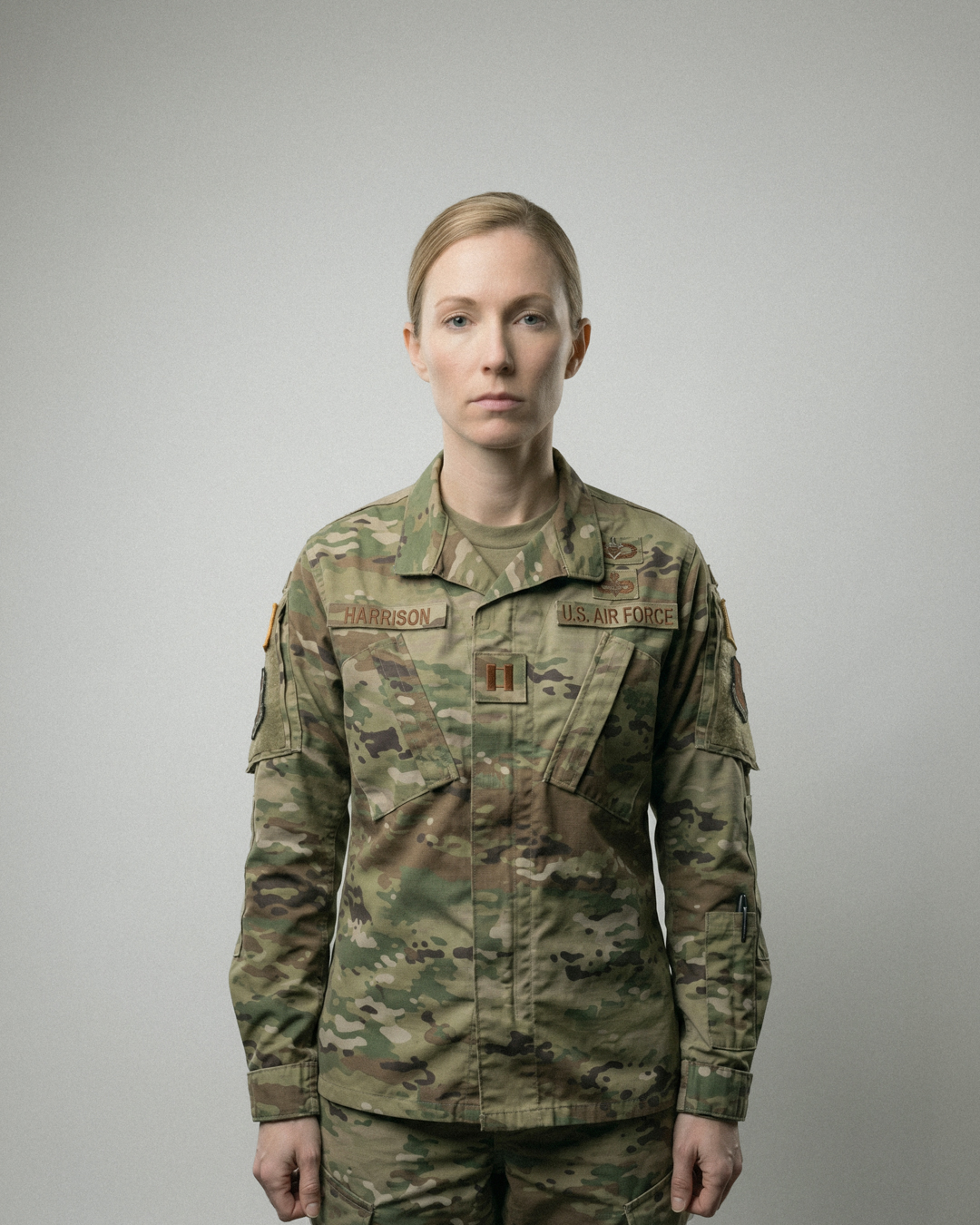
OCPの戦闘服に着替える。ブーツの紐を結ぶ。髪をバンにまとめる。鏡を見る。見慣れた顔だ。青灰色の目の下にうっすらと隈がある。昨夜は3時間しか寝ていない。眠れなかったのではない。眠ったが、途中で2回起きた。理由はない。理由がないのに起きる。そのたびにベッドの縁に座り、暗い部屋で壁を見ている。5分か10分か。それから横になり、また眠る。
車のエンジンをかける。フォード・エスケープ。2019年式。スプリングフィールドから持ってきた。ネバダの朝は乾燥していて、空は薄い青紫色をしている。基地までの道は一本道で、砂漠の中をまっすぐに走る。対向車はほとんどない。両側に低い灌木とジョシュアツリーが並んでいる。この道を何百回走ったか。景色は変わらない。変わらないことに安心する。
クリーチ空軍基地のゲートでIDバッジをかざす。ゲートガードが敬礼する。敬礼を返す。駐車場に車を停める。エンジンを切る。窓を開ける。外の空気を5分だけ吸う。乾いた、薄い、ネバダの空気。何も考えない5分間。これがルーティンだ。この5分がなければ、12時間のシフトに入れない。なぜかはわからない。でも、この5分が必要だ。
窓を閉め、車を降り、GCSに向かって歩く。
|2|
GCSの扉は厚い。閉まると外の光が完全に消える。空調が18度に設定された暗い部屋。天井は低い。壁はグレー。モニターが4台、半円状に並んでいる。メーガンは椅子に座り、ログインし、ヘッドセットをつける。画面が点灯する。もう一つの世界が始まる。
正面のモニターにFMV(フルモーション・ビデオ)フィードが映る。高度20,000フィートのMQ-9リーパーのカメラから送られてくるリアルタイム映像。灰褐色の大地。日干しレンガの建物が密集した街区。細い路地。平屋根の上に洗濯物が干してある。朝の光が斜めに差している。右下にタイムスタンプとグリッド座標が表示されている。ここはアメリカではない。ここはネバダの砂漠ではない。ここは7,500マイル先の、誰かの街だ。
人が動き始める。路地から男が一人出てくる。白いディシュダーシャ(長衣)を着ている。右手に何かを持っている。拡大する。パンだ。パンの包みを持って、隣の建物に入っていく。メーガンは記録する。対象Aの最初のコンタクトではない。このIDコードは3日前から追跡している。対象A——本名は知らない。座標とIDコードで知っている。対象Aの行動パターンを記録する。「ライフ・パターン分析」。何時に家を出るか。誰と会うか。どの車両に乗るか。どのモスクに行くか。子供は何人か。メーガンのレポートには名前が出てこない。座標と時刻と行動の記述だけがある。
別のモニターには別の映像が流れている。市場の上空。人がたくさんいる。露店が並んでいる。小さな子供が母親の手を引いている。犬が走っている。メーガンの視線は正面のモニターに固定されているが、周辺視野で他のモニターの動きも捉えている。異常がなければ、そのままでいい。異常があれば、シフト・リーダーに報告する。異常とは何か。パターンからの逸脱だ。パターンとは何か。メーガンが何日間もかけて記録した「普通」だ。普通から外れたとき、それは「異常」になる。異常が報告され、報告がレビューされ、レビューが承認されると、そのあとに何かが起きる。何が起きるかは、メーガンの管轄外だ。
午前10時。4時間が経過した。メーガンはトイレに立ち、戻ってきて、MREのクラッカーとピーナツバターをかじりながらモニターを見る。対象Aが自宅を出て、路地を歩いている。右に曲がった。小さな建物に入った。ドアが閉まった。メーガンは時刻と座標を記録する。建物の中で何が起きているかは見えない。見えないことも記録する。「対象A、建物Bに入る。内部の活動は確認不能」。
|3|
正午。画面の中の街にも正午の光が当たっている。影が短い。人の動きが少し減る。暑いのだろう。GCSの中は18度で変わらない。メーガンの指先は冷えている。フリースのジャケットのポケットに手を入れる。
対象Aが建物Bから出てきた。2時間15分後。別の男と一緒だ。二人は立ち話をしている。30秒。握手して別れる。メーガンは記録する。もう一人の男のIDコードを確認する。データベースに照合する。一致なし。新しい接触者。タグをつける。「対象A、未識別人物(UI-07)と接触。建物B前。接触時間30秒。握手あり」。
午後2時。画面の中の路地を子供たちが走っている。学校が終わったのかもしれない。3人の男の子がサッカーボールを蹴っている。そのうちの一人が対象Aの家の前で転んだ。立ち上がって、膝の砂を払って、また走り出す。メーガンはその子供を見ている。仕事ではない。仕事のモニターに映っているだけだ。子供はモニターの隅を横切って消えた。
午後4時。対象Aが自宅の屋上に出た。椅子を一脚出して座った。空を見ている。メーガンのカメラは対象Aを上から見ている。対象Aは空を見上げている。カメラの方を見ているわけではない。空を見ているだけだ。リーパーは高度20,000フィートにいる。音は聞こえない。影も落とさない。対象Aは空を見て、何かを考えている。メーガンは対象Aが空を見ていることを記録する。「対象A、屋上で静止。上方を注視。16:03-16:11」。
メーガンはスクリーンを見ている。対象Aは空を見ている。メーガンと対象Aの間には20,000フィートの高度と7,500マイルの距離と、複数の衛星回線と、暗号化されたデータリンクと、コンクリートの壁と、18度の空調がある。だが、メーガンの目と対象Aの目の間には、レンズしかない。メーガンは対象Aの顔の皺を見ることができる。髭の形を見ることができる。手に持っているティーカップの色を見ることができる。だが、対象Aの名前は知らない。
午後6時。シフト終了。メーガンはログアウトし、ヘッドセットを外し、次のシフトのアナリストに引き継ぎをする。「対象Aの本日のパターンは通常範囲。新規接触者1名(UI-07)。詳細はログ参照」。次のアナリストが座り、ログインし、ヘッドセットをつける。モニターは消えない。映像は止まらない。誰かが常に見ている。
|4|
に乗る。駐車場を出る。一本道をまっすぐ走る。砂漠の夕暮れ。空がオレンジからピンクに変わり、紫になり、藍色になる。ラスベガスの光が南の地平線にうっすら見える。あの光の下では、人々がスロットマシンに向かい、ステーキを食べ、ショーを見ている。メーガンはそこには行かない。インディアンスプリングスの一軒家に帰る。
ドアを開ける。靴を脱ぐ。シャワーを浴びる。冷蔵庫からミラーライトを出す。プルタブを引く。ソファに座ってテレビをつける。CNNが映る。中東のどこかの映像が流れている。空爆のあとの瓦礫。メーガンはチャンネルを変える。リアリティ番組に変える。見ていない。2本目のビールを開ける。
10時。ベッドに入る。ベッドの縁に座って、祈る。サザンバプテストの祈りの言葉は知っている。子供のときから覚えている。でも今、祈るとき、言葉が出てこない。定型の祈りではなく、何か別のことを祈りたい。何を祈りたいのかがわからない。対象Aが無事であることを祈っているのか。ブレイクの足が生えてくることを祈っているのか。自分が昨日書いたレポートが何も引き起こさないことを祈っているのか。わからない。祈りの言葉が見つからないまま、手を組んで、目を閉じて、30秒ほどそうしている。それから横になる。
夜中に目が覚める。2時14分。理由はない。ベッドの縁に座る。暗い部屋で壁を見ている。窓の外にネバダの星が見えるはずだが、カーテンを閉めている。開けない。星を見ると、どこか別の場所の空を思い出す。見たことがない空だ。でも、12時間ずつ、何年も見てきた空だ。その空の下で、誰かが今も眠っている。あるいは眠れずにいる。あるいは——。
メーガンは横になる。目を閉じる。明日も0600にGCSに入る。モニターが点灯する。映像が流れる。人が歩いている。子供が走っている。誰かが空を見上げている。メーガンはそれを見る。見ることが仕事だ。見たあとに何が起きるかは、彼女の仕事ではない。でも、見たあとに何が起きるかを、彼女は知っている。知っていて、見ている。明日も。
English
I do not know his name.
But I know what time he leaves the house. I know which alley he takes in the morning. I know where he stops. I know who he talks to. I know when he goes up to the roof. I know that he drinks something from a white cup.
I do not know his name.
And yet I know his life.
That may be the strangest part of this job.
Before the shift, I sit in the car for five minutes in the parking lot. I turn off the engine. Lower the window a little. The Nevada morning air is dry and thin. Even when I breathe deeply, it does not feel as if it reaches all the way into my chest.
I try not to think.
Not about today’s coordinates. Not about yesterday’s log. Not about the fact that I have not called my mother. Not about Blake. I breathe the outside air so I will not think. Five minutes. When they are over, I roll up the window and step out of the car.
I swipe my ID badge and pass through the gate. I open the door to the GCS.
When the door closes, the daylight disappears.
The room is dark. The air-conditioning is set to sixty-four degrees. At first I thought it was cold. Now it feels less like cold and more like the surface of my body has been placed somewhere else. I sit down. Log in. Put on the headset. The four monitors come alive one by one.
Another world begins.
The screens show the ground. A street somewhere in a town somewhere on the other side of the earth. Flat roofs. Narrow alleys. Mud-brick walls. Laundry. Motorcycles. Dogs. Children.
Morning light falls across it.
I watch for twelve hours.
Watching is the job.
In the beginning, I watched more as a mission. Target. Movement. Contact. Building. Vehicle. Abnormal activity. It was enough to focus on those words.
But when you watch for a long time, you begin to see things you are not supposed to see.
Someone carries bread to the building next door in the morning. At first, I record it as movement. The next day, he goes at the same time. On the third day, too. Then I begin to wonder whether it is breakfast for his family, or something he is bringing to someone else.
I should not wonder.
A child runs across the corner of the screen. I do not need to follow that child. The child is not the subject. There is no need to enter him in the log. He is only passing through the monitor. When he leaves the frame, I feel a little relieved. Then I notice that I am relieved, and I dislike myself for it.
What the job requires is not seeing life.
It is seeing patterns.
What time he leaves the house. Who he meets. Which vehicle he gets into. Which building he enters. How many minutes he stays there. When he returns. I record it. One day tells you nothing. Two days are not enough. But after days of watching, after the records stack up, a life becomes a line.
We call that line a pattern.
Once there is a pattern, deviations become visible. A different route. A different vehicle. A longer stay than usual. A new contact. A handshake. A package. A rooftop.
I report them.
There are no names in the report. I do not know their names. I write coordinates, times, and descriptions of behavior. Subject A. Building B. Unidentified individual. Contact duration thirty seconds. Interior activity unconfirmed.
Written that way, the world becomes easier to handle.
The man carrying bread becomes Subject A. A conversation becomes contact. Time spent looking at the sky from a rooftop becomes stationary. A child, if not written down, becomes something that never existed.
I think that is necessary.
Maybe that is why those words exist.
Not knowing his name helps me. If I knew his name, it would be harder. If I knew the names of his family, it would be harder. If I knew what his voice sounded like, I might not be able to continue.
But it is not that I know nothing.
I know what time he goes up to the roof. I know that when the afternoon light begins to shorten, he brings out a chair and sits down. I know that he holds a white cup in his right hand. I know that he stays still for a while and looks at the sky.
Sometimes, a person on the screen looks up at the sky.
He is not looking at the camera. He cannot see it. The Reaper is at twenty thousand feet. No sound reaches him. No shadow falls. I am watching the feed from a dark, air-conditioned room seven thousand five hundred miles away.
There is no way our eyes meet.
But for a moment, it feels like they do.
For that moment, distance disappears.
The altitude, the miles, the satellite links, the encrypted data connections, the walls of the base, the sixty-four-degree air — all of it disappears.
Only the lens remains between us.
I can see the lines on his face. I can see the shape of his beard. I can see the color of the cup in his hand. But I do not know his name. I do not know his voice. I do not know what he prays for. I do not know whom he is waiting for.
Still, I record it.
“Subject A stationary on rooftop. Gazing upward.”
When I type that sentence, I hold my breath for a moment.
So briefly that no one would notice. So briefly that I can pretend not to notice it myself.
I do not pull the trigger.
That is true.
I only watch. I record. I report the pattern. I arrange what I have seen into a form that can be judged. That is my job.
But without my report, someone else does not make the next decision.
That is also true.
When the shift ends, I take off the headset. I brief the next analyst. Subject A’s activity today remained within normal range. One new contact. Details in the log.
When I stand up, the monitors do not go dark.
The footage does not stop.
Someone sits in the chair. Logs in. Puts on the headset. Continues watching. The world continues to be watched by someone.
I drive home. Fifteen minutes from the base to the house. A single straight road. The desert at dusk is beautiful. The sky turns from orange to pink, then purple, then indigo. After I think it is beautiful, I dislike myself a little.
The glow of Las Vegas is visible on the southern horizon. Under that light, someone is eating. Someone is laughing. Someone is gambling. I do not go there.
I go home.
I take off my boots. Shower. Turn on the TV. I do not watch it. I take a Miller Lite from the fridge and open it. Drink half. Open another.
I think about calling my mother.
I do not.
She would probably ask, “Are you going to church?” I would say, “Yes.” There are months when I do not go. But I would say yes. My mother would be relieved. And I would be relieved that she was relieved.
I think about Blake.
My brother makes jokes about his prosthetic leg. I laugh. I think I laugh well enough. Neither of us talks about Afghanistan. Not talking about it has become something like a rule in our family.
I have never been to war.
I sit in an air-conditioned room.
So I should be fine. I think I have to be fine. I understand why someone like Blake suffers. He was actually there. I was not. I am in Nevada. I am only sitting in a chair in a dark room.
But I wake up in the middle of the night.
For no reason.
I sit on the edge of the bed. I look at the wall in the dark. Five minutes, maybe ten. I am not remembering anything. I have not heard an explosion. I do not hear anyone’s voice.
The screen just does not turn off.
Even with my eyes closed, it still feels as if I am watching.
I sit on the edge of the bed and pray.
The words I learned as a child are still there. The church pews. My mother’s voice. My father’s hand. Hymns. Sunday morning light. I remember all of it.
But now the words do not come out right.
What am I praying for?
For Subject A to be on the roof again tomorrow. For the report I wrote yesterday to cause nothing to happen. For Blake’s leg to grow back. For me to stop feeling anything. Or for me to still be able to feel something.
I do not know.
So I fold my hands without saying anything. I close my eyes for about thirty seconds. I call that prayer.
I keep the curtains closed.
If I opened them, I would see the Nevada stars. But I do not look. When I look at the sky, I remember another sky.
I have never stood beneath that sky. I do not know its smell. I do not know its heat. I do not know the voices of the people living under it.
Still, I have watched it for years.
Twelve hours at a time.
Tomorrow, the alarm will sound at five. My body already knows, but I set it anyway.
Tomorrow, I will enter the GCS. The door will close. The daylight will disappear. The monitors will come alive.
People will be walking.
A child will be running.
Someone will look up at the sky.
I will watch.
Watching is the job.
I will keep learning his life without knowing his name.
What happens after knowing is not my job.
But I know what happens after knowing.
I know, and I watch again.
Tomorrow, too.
|1|
5:00 AM, Indian Springs. Megan Leigh Harrison's (32) iPhone alarm sounds in the dark bedroom. Five o'clock sharp. Her body already knows. More often than not, her eyes open before the alarm. But she sets it anyway. Setting it keeps the outline of the day intact. She pushes the covers off and stands. She considers lacing up her running shoes for a moment, then decides against it. Today is not a recovery day after a night shift. It is a day shift. She enters the GCS at 0600.
In the kitchen, she flips the switch on the Mr. Coffee and pours black coffee into a mug. She takes a Greek yogurt from the fridge and eats it with a spoon. She does not turn on the television. She does not watch the morning news. There is no need. In an hour, she will be watching footage at a higher resolution than anything the news broadcasts.
She changes into her OCP combat uniform. Laces the boots. Pulls her hair into a bun. Looks in the mirror. A familiar face. Faint shadows under the blue-gray eyes. She slept three hours last night. Not because she could not sleep. She slept, but woke twice. No reason. She wakes for no reason. Each time, she sits on the edge of the bed and stares at the wall in the dark room. Five minutes or ten. Then she lies down and sleeps again.
She starts the car. A Ford Escape, 2019. Brought it from Springfield. The Nevada morning is arid; the sky is a pale blue-violet. The road to the base is a single straight line through the desert. Almost no oncoming traffic. Low scrub and Joshua trees on both sides. How many hundreds of times she has driven this road. The scenery does not change. She finds comfort in the fact that it does not change.
She swipes her badge at the gate of Creech Air Force Base. The gate guard salutes. She returns it. She parks. Turns off the engine. Rolls down the window. Breathes the outside air for five minutes. Dry, thin, Nevada air. Five minutes of thinking about nothing. This is the routine. Without these five minutes, she cannot enter the twelve-hour shift. She does not know why. But she needs them.
She rolls up the window, steps out of the car, and walks toward the GCS.
|2|
The GCS door is thick. When it closes, the outside light vanishes entirely. A dark room, air-conditioned to sixty-four degrees. Low ceiling. Gray walls. Four monitors arranged in a semicircle. Megan sits in the chair, logs in, puts on the headset. The screens come alive. Another world begins.
The front monitor shows the FMV—Full Motion Video—feed. Real-time imagery transmitted from the camera of an MQ-9 Reaper at twenty thousand feet. Tan-brown earth. A densely packed neighborhood of mud-brick buildings. Narrow alleys. Laundry hung on flat rooftops. Morning light falls at an angle. A timestamp and grid coordinates are displayed in the lower right corner. This is not America. This is not the Nevada desert. This is someone's town, seven thousand five hundred miles away.
People begin to move. A man emerges from an alley. He wears a white dishdasha. He is carrying something in his right hand. She zooms in. Bread. He carries a wrapped loaf of bread into the building next door. Megan records it. This is not the first contact for Subject A. She has been tracking this ID code for three days. Subject A—she does not know his real name. She knows him by coordinates and ID code. She records Subject A's behavioral pattern. "Pattern of Life Analysis." What time he leaves the house. Who he meets. Which vehicle he uses. Which mosque he attends. How many children he has. Megan's reports contain no names. Only coordinates, times, and descriptions of behavior.
On another monitor, another feed plays. An overhead view of a market. Many people. Rows of stalls. A small child pulls a mother's hand. A dog runs. Megan's gaze is fixed on the front monitor, but her peripheral vision catches movement on the others. If there is nothing abnormal, it stays as is. If something is abnormal, she reports it to the shift leader. What is abnormal? A deviation from the pattern. What is the pattern? The "normal" that Megan has recorded over days. When something deviates from normal, it becomes "abnormal." The abnormal is reported, the report is reviewed, the review is approved, and then something happens. What happens is outside Megan's purview.
10:00 AM. Four hours have passed. Megan takes a bathroom break, returns, and watches the monitors while chewing on an MRE cracker with peanut butter. Subject A has left his residence and is walking through the alley. He turned right. He entered a small building. The door closed. Megan records the time and coordinates. What happens inside the building is not visible. She records that, too. "Subject A enters Building B. Interior activity unconfirmed."
|3|
Noon. Midday light falls on the town on the screen, too. Shadows are short. Movement decreases slightly. It must be hot. Inside the GCS, it is still sixty-four degrees. Megan's fingertips are cold. She puts her hands in the pockets of her fleece jacket.
Subject A has exited Building B. Two hours and fifteen minutes later. He is with another man. They stand and talk. Thirty seconds. They shake hands and part. Megan records it. She checks the other man's ID code against the database. No match. A new contact. She tags him. "Subject A, contact with unidentified individual (UI-07). In front of Building B. Contact duration 30 seconds. Handshake observed."
2:00 PM. Children run through the alley on the screen. Perhaps school has ended. Three boys kick a soccer ball. One of them falls in front of Subject A's house. He gets up, brushes the sand off his knee, and runs again. Megan watches the child. It is not her job. He just happens to be on the monitor. The child crosses the edge of the screen and disappears.
4:00 PM. Subject A has come out onto the rooftop of his residence. He has brought out a chair and sat down. He is looking at the sky. Megan's camera looks down at Subject A from above. Subject A looks up at the sky. He is not looking at the camera. He is just looking at the sky. The Reaper is at twenty thousand feet. Its sound cannot be heard. It casts no shadow. Subject A looks at the sky and thinks about something. Megan records that Subject A is looking at the sky. "Subject A, stationary on rooftop. Gazing upward. 16:03–16:11."
Megan watches the screen. Subject A watches the sky. Between Megan and Subject A, there are twenty thousand feet of altitude and seven thousand five hundred miles of distance and multiple satellite links and encrypted data connections and concrete walls and sixty-four-degree air conditioning. But between Megan's eyes and Subject A's eyes, there is only a lens. Megan can see the lines on Subject A's face. The shape of his beard. The color of the teacup in his hand. But she does not know Subject A's name.
6:00 PM. Shift over. Megan logs out, removes the headset, and briefs the analyst on the next shift. "Subject A's pattern today within normal range. One new contact (UI-07). Details in the log." The next analyst sits down, logs in, puts on the headset. The monitors do not go dark. The footage does not stop. Someone is always watching.
|4|
She gets in the car. Pulls out of the lot. Drives straight down the single road. Desert dusk. The sky shifts from orange to pink to purple to indigo. The glow of Las Vegas is faintly visible on the southern horizon. Under that light, people are sitting at slot machines, eating steaks, watching shows. Megan does not go there. She goes back to the house in Indian Springs.
She opens the door. Takes off her boots. Showers. Takes a Miller Lite from the fridge. Pulls the tab. Sits on the sofa and turns on the TV. CNN. Footage from somewhere in the Middle East. Rubble after an airstrike. Megan changes the channel. A reality show. She does not watch it. She opens a second beer.
Ten o'clock. She gets into bed. She sits on the edge and prays. She knows the words of the Southern Baptist prayer. She has known them since childhood. But now, when she prays, the words do not come. She wants to pray for something other than the prescribed prayer. She does not know what she wants to pray for. Is she praying for Subject A to be safe. Is she praying for Blake's leg to grow back. Is she praying that the report she wrote yesterday will cause nothing to happen. She does not know. With no words for prayer, she folds her hands, closes her eyes, and stays that way for about thirty seconds. Then she lies down.
She wakes in the middle of the night. 2:14 AM. No reason. She sits on the edge of the bed. She stares at the wall in the dark room. Through the window, Nevada stars should be visible, but the curtains are closed. She does not open them. If she looks at the stars, she remembers a sky somewhere else. A sky she has never been under. But a sky she has watched, twelve hours at a time, for years. Under that sky, someone is sleeping right now. Or unable to sleep. Or——.
Megan lies down. She closes her eyes. Tomorrow, she enters the GCS at 0600. The monitors will light up. The footage will stream. People will be walking. A child will be running. Someone will look up at the sky. Megan will watch. Watching is the job. What happens after watching is not her job. But she knows what happens after watching. She knows, and she watches. Tomorrow, too.
日本語本作に登場する人物・語りは、実在の個人に基づいたものではありません。設定・描写にあたっては、人物の文化背景、言語、歴史、現在の社会状況について文献・記録・当事者の語り等を調査し、それらをもとに構成・再構成し、物語として描いています。ただし、たとえ綿密なリサーチをもとにしていても、"他者の声を仮構すること"には構造的な危うさがあると私は考えています。この作品は、その危うさごと提出するための試みです。
EnglishThe characters and narratives presented here are not based on any real individuals.The setting and depiction are constructed and restructured through research into cultural backgrounds, languages, histories, and contemporary conditions—including archival sources and first-person accounts—and are rendered here as a narrative.However, even when grounded in careful research, I believe that fictionalizing the voice of another carries inherent structural risk.This piece is an attempt to present that risk itself—openly and with accountability.