.webp)


.png)


The Unchosen E.47
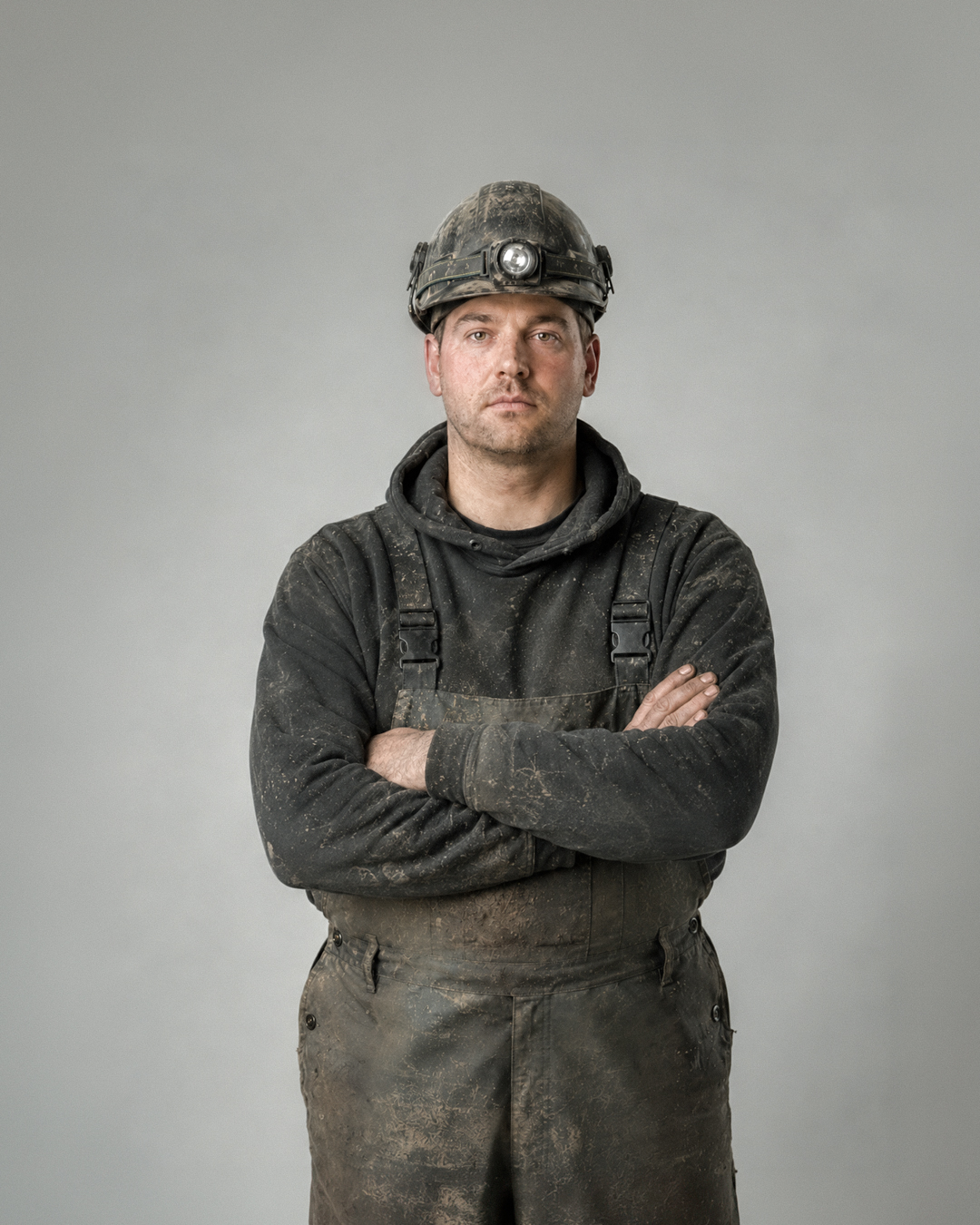
Lars van der Berg(ラース・ファン・デル・ベルフ)
(English translation follows below)
きれいな家だが、下に潜ると臭い。
カイザー運河沿いの家は、上から見ると本当にきれいだ。細いレンガの壁、少し傾いた窓、切り妻屋根、運河に映る光。橋の上では観光客が写真を撮り、電動自転車が音もなく通り過ぎる。
俺も、あの景色が好きだ。
ただ、俺はそこから下へ潜る。
床板を剥がし、狭い穴から身体を入れる。ヘルメットのライトを点けると、湿気と埃で光が白く濁る。膝まで泥水に浸かると、ウェーダー越しでも冷たさが伝わってくる。カビと腐った木の匂いが鼻に刺さる。
上では、誰かが普通に暮らしている。
椅子を引く音。犬が歩く音。コーヒーマシンの音。子どもが走る音。そのすぐ下で、俺たちは泥の中にいる。
この街の古い家は、石の上に建っているわけじゃない。泥の中に打ち込まれた木の杭の上に立っている。木は腐るし、水は動くし、レンガは少しずつずれる。だから、誰かが下に入って直す。
それが俺の仕事だ。
死にかけた杭を切り、家を新しい基礎に移すことだ。言葉にすると簡単だが、簡単な作業ではない。急ぎすぎれば壁が割れる。力をかける場所を間違えれば、上の家に傷が出てしまう。
泥水の中で足を踏ん張り、油圧ジャッキの圧を見る。ヘッドライトの先に、黒くなった古い杭がある。チェーンソーを入れると、腐った木の匂いが強くなる。泥水が跳ねて顔にかかる。口に入るとマジで最悪だ。
それでも古い木を切り、鋼鉄のパイプを入れ、コンクリートを流す。家の重さを、少しずつ新しい足へ移していく。
上に住む人間は、床はただ床だと思っている。
俺たちは、その下に何があるかを知っている。
作業が終わって地上に出ると、光がまぶしい。観光客が橋の上で写真を撮っている。誰かがアイスクリームを食べている。俺たちは泥だらけのブーツをホースで洗う。
見上げると、さっきまで下にいた家の窓が見える。中にはきれいな家具が置かれている。白い壁、大きな窓、高そうな照明。ただ金を持っている人間が、いい家に住む。それだけのことだ。
仕事が終われば、バンに道具を積んでザーンダムへ帰る。
家に帰ると、犬が玄関まで来る。俺の服の匂いを嗅いで、少し顔をそむけることがある。ひどいやつだと思うが、仕方がない。パートナーには、作業着のままソファに座るなと言われている。これも仕方がない。
シャワーを浴びると、足元の水が灰色になる。泥が流れていく。運河の下にあった街の匂いが、排水口へ消えていく。
それでも完全には落ちずに泥が爪の間に少し残る。手の甲の傷に入り込む。翌朝、車に乗ったとき、まだどこかから湿った木の匂いがすることがある。
俺はこの仕事を嫌いではない。
美しい街は、自分だけでは立っていられない。
泥水に膝まで浸かるのが好きなわけじゃない。腐った木の匂いも、口に入る泥も、帰ってから犬に避けられるのも好きではない。だが、手に職があるのは悪いことじゃない。俺が入れば、家はもう少し持つ。誰かがそこでまた普通に暮らせる。
だから明日も、俺は泥の中へ降りる。
|1|
オランダ・アムステルダム、カイザー運河沿い。 17世紀に建てられた切り妻屋根の美しいレンガ造りの邸宅が並び、運河の水面が陽光を反射してきらめいている。橋の上では観光客がスマートフォンで完璧な構図の写真を撮り、通りには電動自転車が静かに滑り抜けていく。ここは世界で最も絵になる、そして世界で最も不動産価格が高い都市空間のひとつだ。
しかし、その完璧な景観の足元、地下1.5メートルの床下空間(クロールスペース)は、まったく別の世界である。 ヘッドライトの細い光だけが頼りの暗闇の中、ラース・ファン・デル・ベルフ(34)は膝まで冷たい泥水に浸かっていた。カビと腐敗した木の強烈な匂いが鼻をつく。彼は分厚い防水つなぎ(ウェーダー)を着て、油圧ジャッキと油にまみれたチェーンソーを握りしめている。
|2|
「よし、切るぞ」 ラースが同僚に叫び、チェーンソーのエンジンをふかす。泥水に浸かった太い木の杭に刃を立てると、黒い泥水がしぶきを上げて顔に飛んできた。 アムステルダムの歴史的建造物は、泥炭地の奥深くにある硬い砂の層に打ち込まれた何百万本もの「木の杭」の上に建っている。だが、近年の地下水位の低下によって木材が空気に触れ、バクテリアに食い荒らされる「杭の腐敗(パルロット)」が進行している。このままでは、家ごと運河へと沈んでしまう。
ラースの仕事は、数百万ユーロの価値がある邸宅の下に入り込み、腐った300年前の木の杭を切り落とし、代わりに鋼鉄のパイプを打ち込んでコンクリートを流し込むことだ。 ミリ単位の精度が要求される。少しでもジャッキの操作を誤れば、上部にある歴史的なレンガの壁に巨大な亀裂が入る。彼は泥の中で踏ん張り、肩の筋肉を軋ませながら、家全体の下にかかる数十トンの重圧を鋼鉄のパイプへと慎重に移し替えていく。
|3|
作業を終え、マンホールから地上の明るい通りへと這い上がる。 太陽の光がまぶしい。ラースは泥だらけのブーツをホースの水で洗い流す。見上げると、先ほどまで自分が支えていた家の窓越しに、スタイリッシュな家具と、エスプレッソマシンでコーヒーを淹れる持ち主(アメリカのIT企業から赴任してきたエグゼクティブだ)の姿が見えた。彼らの足元にある磨き抜かれたオーク材の床のすぐ下で、自分たちが泥水にまみれてコンクリートを流し込んだことなど、上層の人々は普段意識することもない。
ラースは道具をバンに積み込む。彼自身は、この美しいアムステルダム中心部には住んでいない。家賃が高騰しすぎて、肉体労働者が住める場所はとうの昔に消滅した。彼はエンジンをかけ、郊外のザーンダムにある自宅へ向けて車を走らせる。彼らがいなければ、この街はとっくに泥の中へ沈んでいる。
|4|
オランダ全土、特にアムステルダムをはじめとする歴史的な泥炭地帯の都市は現在、「見えない地盤沈下」という深刻な危機に直面している。17世紀の黄金時代に建てられたカナルハウス(運河沿いの家)の多くは、地中に打ち込まれた木の杭を土台としている。木材は水中に完全に沈んでいれば何百年も腐らないが、近年の気候変動による干ばつや、地盤沈下を防ぐための人工的な地下水位の調整により、杭の上部が空気に触れるようになった。これにより「パルロット(杭の腐敗)」と呼ばれる木材腐朽菌の繁殖が急激に進行しているのだ。
専門家の試算によれば、数万棟もの歴史的建造物が基礎の崩壊リスクに晒されており、その修繕費は一棟あたり数万から数十万ユーロに上る。この危機を救う唯一の手段は、建物の下を掘り下げ、腐った木を鋼鉄とコンクリートの新たな基礎に置き換える「物理的な土木工事」しかない。スマートシティ化が進み、グローバル資本が集まる洗練された都市の景観は、ラースのような大工たちが泥水の中で行う、極めて危険で過酷な肉体労働によってギリギリで保たれているのが現実である。
English
It is a beautiful house, but when you go underneath, it stinks.
The houses along the Keizersgracht are truly beautiful when seen from above. Narrow brick walls, slightly tilted windows, gabled roofs, light reflected in the canal. Tourists take photos from the bridges, and electric bicycles pass by without a sound.
I like that view too.
But I go down beneath it.
We pull up the floorboards and push our bodies through a narrow opening. When I switch on the light on my helmet, the beam turns cloudy with moisture and dust. Once I am standing knee-deep in muddy water, the cold comes through even the waders. The smell of mold and rotten wood hits the nose.
Above us, someone is living an ordinary life.
The sound of a chair being pulled back. A dog walking. A coffee machine. A child running. Just beneath all that, we are in the mud.
The old houses in this city are not standing on stone. They stand on wooden piles driven into the mud. Wood rots, water moves, and brick shifts little by little. So someone has to go underneath and fix it.
That is my job.
I cut away dying piles and move the house onto a new foundation. It sounds simple when you put it into words, but it is not simple work. If you rush, the wall cracks. If you put force in the wrong place, you damage the house above.
I brace my feet in the muddy water and watch the pressure on the hydraulic jack. In the beam of my headlamp, there is an old pile turned black. When the chainsaw cuts into it, the smell of rotten wood gets stronger. Muddy water splashes up into my face. When it gets in your mouth, it is seriously the worst.
Even so, we cut the old wood, put in steel pipes, and pour concrete. Little by little, we move the weight of the house onto new legs.
The people living above think the floor is just a floor.
We know what is underneath it.
When the work is done and we come back above ground, the light is bright. Tourists are taking photos on the bridge. Someone is eating ice cream. We wash our muddy boots with a hose.
When I look up, I can see the windows of the house I was just underneath. Inside, there is nice furniture. White walls, large windows, expensive-looking lights. People with money live in good houses. That is all.
When the work is finished, we load the tools into the van and drive back to Zaandam.
When I get home, the dog comes to the entrance. Sometimes he smells my clothes and turns his face away a little. I think that is rude of him, but it cannot be helped. My partner tells me not to sit on the sofa in my work clothes. That cannot be helped either.
When I take a shower, the water at my feet turns gray. The mud runs off. The smell of the city beneath the canal disappears down the drain.
But it never comes off completely. A little mud remains under my nails. It gets into the cuts on the backs of my hands. The next morning, when I get into the car, I can sometimes still smell wet wood from somewhere.
I do not hate this job.
Yes, a beautiful city cannot stand by itself.
I do not like standing knee-deep in muddy water. I do not like the smell of rotten wood, or mud getting in my mouth, or the dog avoiding me when I come home. But having a trade is not a bad thing. If I go in, the house lasts a little longer. Someone can go on living there as usual.
So tomorrow, I will go down into the mud again.
|1|
Keizersgracht, Amsterdam, the Netherlands. Beautiful 17th-century brick houses with gabled roofs line the street, the canal water sparkling as it reflects the sunlight. On the bridges, tourists take perfectly composed photos with their smartphones, while e-bikes glide quietly down the street. It is one of the most picturesque—and most expensive—urban spaces in the world.
However, just 1.5 meters below this perfect scenery, the crawlspace beneath the floors is an entirely different world. Relying only on the narrow beam of his headlamp in the pitch black, Lars van der Berg (34) stands knee-deep in freezing muddy water. The intense smell of mold and rotting wood fills his nose. Wearing thick waterproof waders, he grips a hydraulic jack and an oil-stained chainsaw.
|2|
"Right, I'm cutting!" Lars shouts to his colleague and revs the chainsaw's engine. As he drives the blade into a thick wooden pile submerged in the mud, black sludge splatters across his face. Amsterdam's historical buildings are built on millions of wooden piles driven deep through the peat into a hard layer of sand. However, due to dropping groundwater levels in recent years, the wood has been exposed to oxygen, accelerating "paalrot" (pile rot)—a process where bacteria and fungi devour the timber. If left alone, the houses will literally sink into the canals.
Lars's job is to crawl beneath multimillion-euro mansions, cut away the rotting 300-year-old wooden piles, and replace them by driving steel tubes into the earth and pouring concrete. It requires millimeter precision. A single mistake with the hydraulic jacks could cause massive cracks in the historic brick walls above. Bracing himself in the mud, his shoulder muscles straining, he carefully transfers the tens of tons of pressure from the entire house above onto the new steel pipes.
|3|
The shift ends, and he climbs out of the manhole onto the bright street. The sunlight is blinding. Lars washes his mud-caked boots with a hose. Looking up through the window of the house he was just holding up, he sees stylish furniture and the homeowner—an executive who relocated from an American tech firm—brewing coffee on an espresso machine. The people living above rarely think about the fact that, just below their polished oak floors, men were covered in muddy water pouring concrete.
Lars loads his tools into his van. He himself does not live in this beautiful center of Amsterdam. Rents have skyrocketed so much that places for blue-collar workers vanished long ago. He starts the engine and drives toward his home in the suburb of Zaandam. If it weren't for them, this city would have sunk into the mud a long time ago.
|4|
Across the Netherlands, particularly in historic peat-bog cities like Amsterdam, an "invisible sinking" poses a severe crisis. Many of the canal houses built during the 17th-century Golden Age rest on foundations of wooden piles driven into the earth. As long as the wood is completely submerged in water, it can last for centuries without rotting. However, recent droughts linked to climate change and the artificial lowering of groundwater levels to manage land subsidence have exposed the tops of these piles to oxygen. This has led to a rapid spread of wood-decay fungi, a phenomenon known as "paalrot" (pile rot).
Experts estimate that tens of thousands of historical buildings are at risk of foundational collapse, with repair costs ranging from tens to hundreds of thousands of euros per house. The only way to stave off this crisis is through literal "physical engineering": digging out the space beneath the buildings and replacing the rotting wood with new foundations of steel and concrete. The reality is that the sophisticated, postcard-perfect cityscape—a hub for global capital and smart-city initiatives—is only kept standing by the highly dangerous, grueling physical labor performed in muddy water by carpenters like Lars.
日本語本作に登場する人物・語りは、実在の個人に基づいたものではありません。設定・描写にあたっては、人物の文化背景、言語、歴史、現在の社会状況について文献・記録・当事者の語り等を調査し、それらをもとに構成・再構成し、物語として描いています。ただし、たとえ綿密なリサーチをもとにしていても、"他者の声を仮構すること"には構造的な危うさがあると私は考えています。この作品は、その危うさごと提出するための試みです。
EnglishThe characters and narratives presented here are not based on any real individuals.The setting and depiction are constructed and restructured through research into cultural backgrounds, languages, histories, and contemporary conditions—including archival sources and first-person accounts—and are rendered here as a narrative.However, even when grounded in careful research, I believe that fictionalizing the voice of another carries inherent structural risk.This piece is an attempt to present that risk itself—openly and with accountability.