.webp)


.png)


The Unchosen U.23
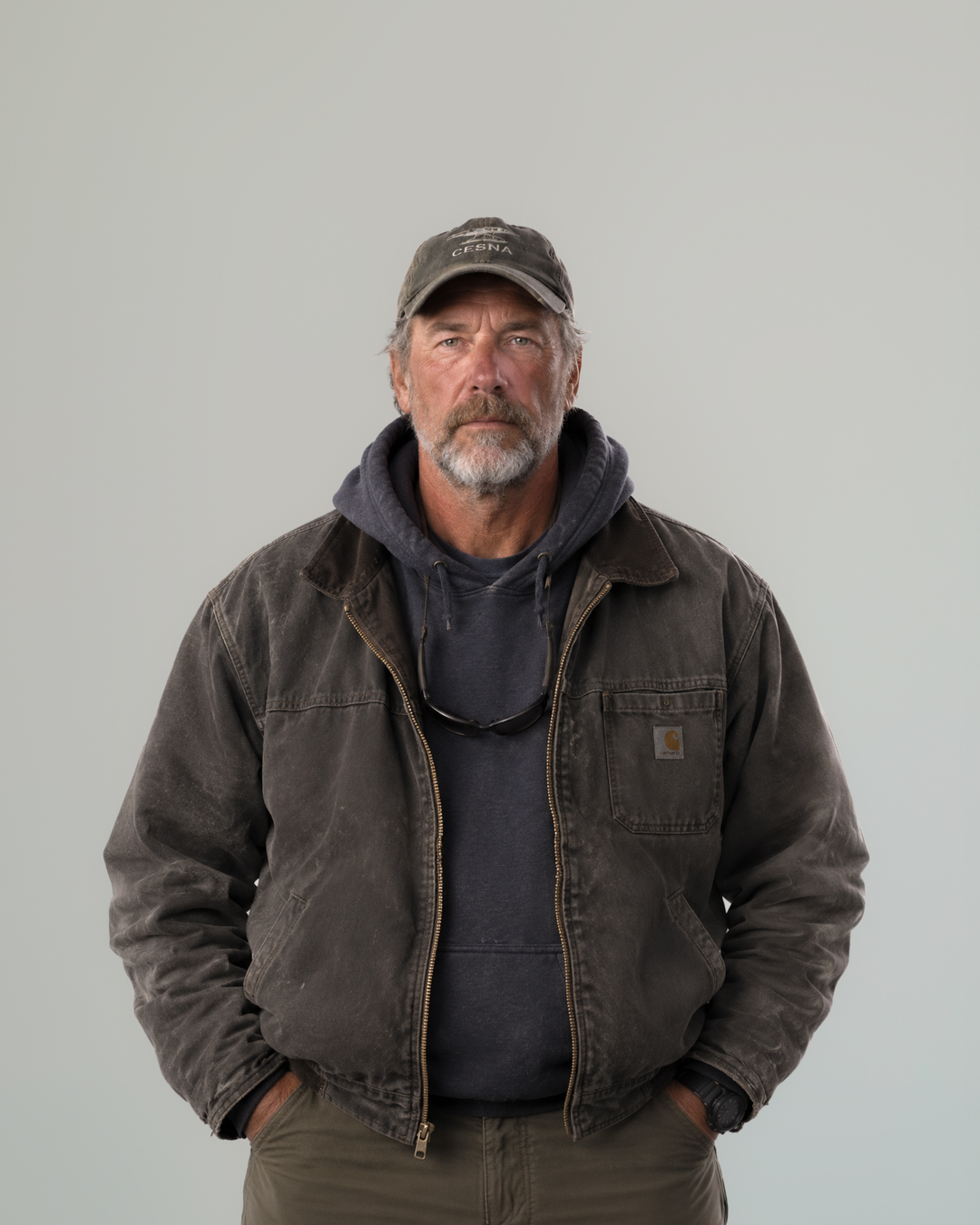
Arthur “Artie” Miller(アーサー・“アーティ”・ミラー)
(English translation follows below)
今朝は7時頃に出る予定だったけれど、結局、昼まで飛ばなかった。
村から電話が来たのは6時半くらいだったと思う。今日の荷物に薬が入っていることは前の日から聞いていたので、できれば早く持ってきてほしいと言われた。
それは分かる、と答えた。
ただ、目的地の少し手前に雲が残っていて、着氷の予報も出ていた。朝のカメラでは向こうの地形がほとんど見えなかったので、もう少し待つことにした。
電話の相手から、途中まで行って様子を見ることはできないかと聞かれた。
できないわけではない。
若い頃ならやったかもしれない。
昔は「一度上がって見てみよう」という言い方をよくした。駄目なら引き返せばいいと思っていたし、それで実際に引き返したことも何度かある。
年を取って臆病になったと言われれば、たぶん少しはそうなのだろう。
でも、飛行機というのは離陸すると選択肢が増える乗り物ではない。
燃料は少しずつ減るし、天気は自分とは関係なく動く。冬なら日が落ちる時間もある。戻るにしても、別の場所へ降りるにしても、地上にいたときには必要なかった判断をしなければならなくなる。
だから今は、見に行くためだけにはあまり飛ばない。
朝のうちに荷物は全部積んであった。
郵便や食料品のほかに、ブーツと衛星インターネットの部品、それから医療用のケースが一つあった。最後に重量を計算して、一箱だけ降ろした。
PRIORITYと赤い字で書いてある箱だった。
誰が付けたラベルなのかは知らない。
急ぎなのだとは思うが、急いでいる荷物の重さが軽くなることはないので、明日に回すことにした。
10時頃にもう一度天気を見たが、まだ良くなかった。コーヒーを飲んで、少し機体を触って、また見た。
11時を過ぎた頃から向こうのカメラで地面が見えるようになった。
昔だったら、それより少し前に出ていたかもしれない。
昼前には大丈夫だと思えたので、村へ電話してから飛んだ。
着いて最初に降ろしたのは薬だった。
受け取った女性がケースの温度を確認して、大丈夫だと言ったので、それでこの便については半分くらい仕事が終わった気がした。
残りを渡していると、衛星インターネットの部品を受け取った男が、これでまた世界につながると言った。
そうか、と答えた。
私はああいうものに詳しくない。GPSもタブレットも使うし、飛ぶ前にはネットで天気を見るから、なくなったら困る。ただ、「クラウド」と言われると、いまだに最初に空の方を考える。
前に若い整備士からそのことで笑われたことがある。
コンピューターのクラウドは凍らないから便利だな、と言ったら、そういう意味じゃないと言われた。
その日は帰りが向かい風だった。
フェアバンクスへ着いたのは4時を少し過ぎていた。朝電話してきた人から留守電が入っていて、薬は間に合ったと言っていた。
間に合ったなら、それでいい。
朝に飛ばなかったことについては、今でも正しかったと思っている。
その日のうちに届けばいい荷物もあるし、翌日でいい荷物もある。急ぐものもある。ただ、それを決めるのと、飛べるかどうかを決めるのは別の話だ。
明日の貨物はもう来ている。
朝に降ろした箱も入っている。
天気予報を見る限り、たぶん明日は朝から行ける。
「たぶん」というところまでしか、今夜の私には分からない。
朝になったら、また見る。
|1|
アラスカ州フェアバンクスの朝は、冬になると明るくなるのが遅い。午前6時を過ぎても格納庫の外はまだ暗く、駐機場の照明に照らされた雪だけが青白く浮かんでいる。気温はマイナス20度を下回っていた。
アーサー・“アーティ”・ミラー、58歳は、前夜からつないでいたエンジンヒーターを外し、1976年製のセスナ185のカウリングを開けた。オイルと燃料を確認し、機体を一周して主翼や尾翼、タイヤの状態を見る。元アラスカ空軍州兵の整備部門にいたこともあり、自分の機体については、操縦する時間と同じくらい地上で触ってきた。
格納庫の壁際には、この日の貨物がまとめられている。郵便袋や食品、紙おむつ、オンラインで注文された冬用ブーツに混じって、衛星通信端末の交換部品と、小さな医療用の保冷ケースが置かれていた。ケースの中には低温にも注意が必要な薬が入っており、輸送中の温度を確認できる記録装置が付いている。
アーティは貨物の重量を確認しながら、積み込む位置を決めていった。貨物室がいっぱいになったところで、一つの箱をもう一度外へ出した。赤い文字でPRIORITYと印刷されたラベルが貼られていたが、その日の燃料量と重心位置を考えると、次の便へ回した方が余裕があった。
午前7時過ぎに出る予定だったが、目的地に近いウェザーカメラでは地形のほとんどが見えなかった。予報には着氷の可能性も残っている。アーティは別の地点の画像を何度か切り替えたあと、貨物を待っている村へ電話をかけた。
朝の便は遅らせる、と伝えた。
医薬品が含まれているため、できれば早く来てほしいと言われたが、アーティは昼前にもう一度天候を見ると答えた。荷物はすでに飛行機に積まれていたが、エンジンは始動しなかった。
|2|
アーティのようなパイロットが飛ぶ場所では、天候が悪いこと自体は珍しくない。ただし、悪い天候を突破することが仕事なのではない。
若い頃のアーティには、目的地の様子を見るために一度離陸し、駄目なら戻ってくればいいと考えた時期があったという。いまは地上にいる段階で判断できる材料が揃わなければ、飛ばないことの方が多い。
午前中、彼はコーヒーを飲みながら、タブレットで風向き、雲底、視程、着氷予報を確認し、ルート上に設置された複数のウェザーカメラを順番に開いていった。GPSや電子チャート、衛星通信も日常的に使っている。古い機体を飛ばしているからといって、古い方法だけを信じているわけではない。
それでも、画面に表示される情報だけで仕事が終わることはない。
エンジンを始動すれば、いつもの回転音と比べる。外気温に対して油温がどのくらいの速さで上がるかを見る。長年同じ種類の機体に乗っているため、座席や操縦桿から伝わる振動の小さな違いにも気づく。
午前11時半を過ぎる頃、目的地側のカメラから雲が薄くなり、遠くの地形が見えるようになった。予報も朝より改善していた。
アーティは村へもう一度電話をかけ、そのあとエンジンを始動した。
フェアバンクスを離れると、街はすぐに後方へ消えた。眼下には凍った川と黒い針葉樹林が続き、その間に小さな集落が点在する。道路が途中で終わり、その先には雪に覆われた土地だけが続いている場所も珍しくない。
目的地までの飛行時間は一時間あまりだった。
|3|
村の滑走路が見えても、アーティはすぐには降りなかった。
低い高度で一度上空を通過し、吹きだまりや除雪の状態を確認した。風向きを見てからもう一周し、圧雪された滑走路へ機体を下ろした。
プロペラが止まる頃には、スノーモービルで貨物を受け取りに来た住民が待っていた。
最初に降ろしたのは医療用のケースだった。受け取った女性は、その場で温度記録の表示を確認した。問題がないことが分かるとケースをスノーモービルへ載せ、そのまま診療所の方へ向かった。
残りの荷物は特別なものには見えない。郵便、食料品、紙おむつ、ブーツ。衛星通信端末の交換部品を受け取った男性は、家のインターネットが前日から使えなくなっていると話した。
「これで直るといいな」
アーティはそう答えただけだった。
誰がブーツを注文したのかは知らない。医薬品を使う人の病名も知らないし、通信端末が置かれている家へ行ったこともない。彼のところへ届くまでに、それぞれの荷物には注文番号や追跡番号、受取人の名前が付けられているが、アーティが飛行のために最も頻繁に確認するのは、その重さと行き先である。
荷物を降ろし終えると、彼は貨物室を確認し、帰りに必要な燃料を計算した。西側には朝とは別の雲が増え始めていた。
村にいた時間は二十分ほどだった。
|4|
アラスカには、道路だけでは年間を通じて外部と行き来できない地域が数多くあり、航空機は旅客だけでなく、郵便や食料、医薬品、機械部品などを運ぶ日常的な交通手段になっている。州の航空網には400を超える公共空港があり、農村部では空港が一年を通じたアクセスを支える唯一の交通手段となっている場所もある。
その状況は、通信技術が発達したことで単純に消えてはいない。
遠隔地でもオンラインで商品を購入でき、衛星インターネットを通じて都市部と同じサービスの一部を利用できるようになった。遠隔診療が行われる場所もある。しかし、画面の向こうで診察を受けることができても、処方された薬そのものは現地まで運ばなければならない。通信端末が故障すれば交換部品が必要になり、オンラインで注文した商品も、最終的には航空機に積める重量と大きさを持った荷物として到着する。
同じ時期、アラスカの陸上交通を支えてきた冬の条件も変わりつつある。寒冷期の短縮によって、河川氷や季節的な氷上ルートを安全に利用できる期間が短くなり、場所によっては移動できる時期そのものが以前より読みづらくなっている。
午後4時過ぎ、アーティはフェアバンクスへ戻った。
格納庫へ機体を入れ、機体表面を確認してから、その日の飛行時間と燃料使用量を記録する。朝に残したPRIORITYの箱は、壁際にまだ置かれていた。
携帯電話には翌日の貨物一覧が届いている。
アーティは荷物の詳細を見る前に、翌朝の天気予報を開いた。数分後、貨物一覧へ戻り、朝に残した箱を翌日の便へ追加した。
English
I was supposed to leave around seven this morning, but in the end I didn’t fly until noon.
The village called at about six-thirty, I think. I already knew there was medicine in the freight because they had told me the day before. They asked if I could get it there early.
I said I understood.
The problem was that there was still cloud sitting near the destination, with icing in the forecast. On the morning camera I could barely see the terrain at the other end, so I decided to wait.
The person on the phone asked whether I could come part of the way and have a look.
I could have.
When I was younger, I probably would have.
I used to say, “Let’s get up there and see.” If it was no good, I could always turn around. I did turn around a number of times.
If you want to say I’ve become more cautious with age, that is probably true.
But an airplane does not give you more choices after you take off.
Fuel starts going away. The weather keeps moving whether you like it or not. In winter you have daylight to think about. If you turn back or go somewhere else, you are making decisions you did not have to make while you were sitting on the ground.
So I don’t fly just to have a look very often anymore.
The freight was already loaded that morning.
There was mail and food, a pair of boots, a part for some satellite-internet equipment, and one medical case. When I finished the weight calculation, I took one box back out.
It had PRIORITY written across it in red.
I don’t know who put the label on there.
I assume it was urgent, but urgent freight does not weigh any less, so I left it for tomorrow.
I checked the weather again around ten. Still no good. I had coffee, worked on the airplane for a while, and checked again.
A little after eleven, I could start to see the ground on the camera at the other end.
Years ago I probably would have left a little earlier.
Just before noon, I thought it was good enough, so I called the village and went.
The medicine was the first thing off the airplane.
The woman receiving it checked the temperature on the case and said it was good. At that point I felt like about half the job for that flight was finished.
While I was unloading the rest, the man taking the satellite-internet part said it would get them connected to the world again.
I said, “Good.”
I don’t know much about that stuff. I use GPS and a tablet, and I check weather online before I fly, so I would notice if it disappeared. But when somebody says “cloud,” I still think of the one in the sky first.
A young mechanic made fun of me for that once.
I told him the computer cloud sounded useful because at least it couldn’t ice up the wings.
He said that wasn’t how it worked.
There was a headwind on the way home.
I got back to Fairbanks a little after four. There was a voicemail from the person who had called that morning saying the medicine had arrived in time.
If it arrived in time, that is good enough.
I still think staying on the ground that morning was the right decision.
Some freight needs to arrive the same day. Some can wait until tomorrow. Some is urgent. Deciding that and deciding whether the airplane can go are two different things.
Tomorrow’s freight is already here.
The box I took out this morning is with it.
The forecast says I can probably leave early.
“Probably” is about as far as I can get tonight.
I’ll look again in the morning.
|1|
Winter mornings come late to Fairbanks, Alaska. Even after six, the area outside the hangar is still dark, with only the snow beneath the ramp lights giving off a pale blue glow. The temperature has fallen below minus twenty Celsius.
Arthur “Artie” Miller, fifty-eight, disconnects the engine heater that has been running overnight and opens the cowling of his 1976 Cessna 185. He checks the oil and fuel, then walks around the aircraft, inspecting the wings, tail and landing gear. He once worked in aircraft maintenance with the Alaska Air National Guard, and over the years he has spent almost as much time touching and inspecting his airplane on the ground as flying it.
The day’s freight has been collected along one wall of the hangar. There are mail bags, food, diapers and a pair of winter boots ordered online, along with a replacement component for a satellite communications terminal and a small insulated medical case. The medicine inside has to be protected from excessive cold as well as heat, and the case carries a temperature logger.
Artie checks the weight of the freight and decides where each item will sit. When the cargo compartment is nearly full, he takes one box back out. A red label across it reads PRIORITY, but with the fuel load and centre of gravity that morning, leaving it for the next flight gives him more margin.
He had planned to depart shortly after seven, but on a weather camera near the destination, most of the terrain is obscured. Icing remains in the forecast. Artie switches between several camera locations before calling the village waiting for the freight.
He tells them the morning flight will be delayed.
Because medicine is on board, they would prefer him to arrive as early as possible. Artie says he will look at the weather again before noon. The airplane is already loaded, but he does not start the engine.
|2|
Bad weather itself is not unusual in the places where pilots like Artie work. Getting through bad weather, however, is not the job.
When he was younger, Artie sometimes took off to see what conditions looked like and returned if they were worse than expected. These days, if he cannot get enough information to make the decision on the ground, he is more likely to stay there.
Through the morning he drinks coffee while checking winds, ceiling, visibility and icing forecasts on a tablet, working through weather-camera images at the destination and along the route. He uses GPS, electronic charts and satellite communications as a matter of course. Flying an old airplane does not mean relying only on old methods.
Still, the information on a screen is only part of what he checks.
Once the engine is running, he compares its sound with what he knows. He watches how quickly the oil temperature rises in relation to the outside temperature. After years in the same type of airplane, he notices small changes in vibration through the seat and controls.
A little after eleven-thirty, the cloud begins to clear from the destination camera and distant terrain becomes visible again. The forecast has improved as well.
Artie calls the village once more, then starts the engine.
Fairbanks disappears quickly behind him. Below are frozen rivers and dark stands of spruce, with small settlements scattered between them. In many places, a road simply ends and beyond it lies only snow-covered country.
The flight takes a little more than an hour.
|3|
When the village runway appears, Artie does not land immediately.
He makes a low pass to look for drifting snow and check the cleared surface. After confirming the wind, he circles once and lands on the packed strip.
By the time the propeller stops, residents have arrived on snowmachines to collect the freight.
The medical case comes out first. The woman receiving it checks the temperature record before loading it onto her machine and heading toward the clinic.
The rest of the cargo looks ordinary: mail, groceries, diapers and boots. A man collecting the replacement component for the satellite terminal says the internet at one house has been down since the previous day.
“Hope that fixes it,” Artie says.
He does not know who ordered the boots. He does not know the medical condition of the person waiting for the medicine, and he has never visited the house where the satellite equipment is installed. By the time freight reaches him, it already carries order numbers, tracking information and names. For the flight itself, the information he returns to most often is weight and destination.
Once the aircraft is empty, he checks the cargo compartment and calculates the fuel required to get home. A different bank of cloud is beginning to build in the west.
He spends about twenty minutes in the village.
|4|
Many parts of Alaska cannot be reached year-round by road alone, and aircraft routinely carry not only passengers but mail, food, medicine and mechanical parts. The state has more than four hundred public airports, and in parts of rural Alaska the airport provides the only year-round link to the outside.
Improved communications have not simply removed that dependence.
People in remote communities can now order goods online and use some of the same digital services available in cities through satellite internet. Telemedicine is possible in places where specialist care is far away. But a remote consultation does not move the medicine itself. A failed communications terminal still needs a replacement component, and an online purchase eventually arrives as freight with physical dimensions and weight.
At the same time, the winter conditions that have long supported overland travel in Alaska are changing. A shorter cold season is reducing the period in which river ice and seasonal ice routes can be used safely, and in some areas the timing of winter travel is becoming less predictable.
Artie returns to Fairbanks a little after four.
He puts the aircraft back in the hangar, checks its exterior, and records the flight time and fuel used. The box marked PRIORITY that he left behind in the morning is still sitting against the wall.
Tomorrow’s freight list has already arrived on his phone.
Before reading through it, Artie opens the forecast for the following morning. A few minutes later, he returns to the freight list and adds the box he left behind to the next flight.
日本語本作に登場する人物・語りは、実在の個人に基づいたものではありません。設定・描写にあたっては、人物の文化背景、言語、歴史、現在の社会状況について文献・記録・当事者の語り等を調査し、それらをもとに構成・再構成し、物語として描いています。ただし、たとえ綿密なリサーチをもとにしていても、"他者の声を仮構すること"には構造的な危うさがあると私は考えています。この作品は、その危うさごと提出するための試みです。
EnglishThe characters and narratives presented here are not based on any real individuals.The setting and depiction are constructed and restructured through research into cultural backgrounds, languages, histories, and contemporary conditions—including archival sources and first-person accounts—and are rendered here as a narrative.However, even when grounded in careful research, I believe that fictionalizing the voice of another carries inherent structural risk.This piece is an attempt to present that risk itself—openly and with accountability.