.webp)


.png)


The Unchosen O.07
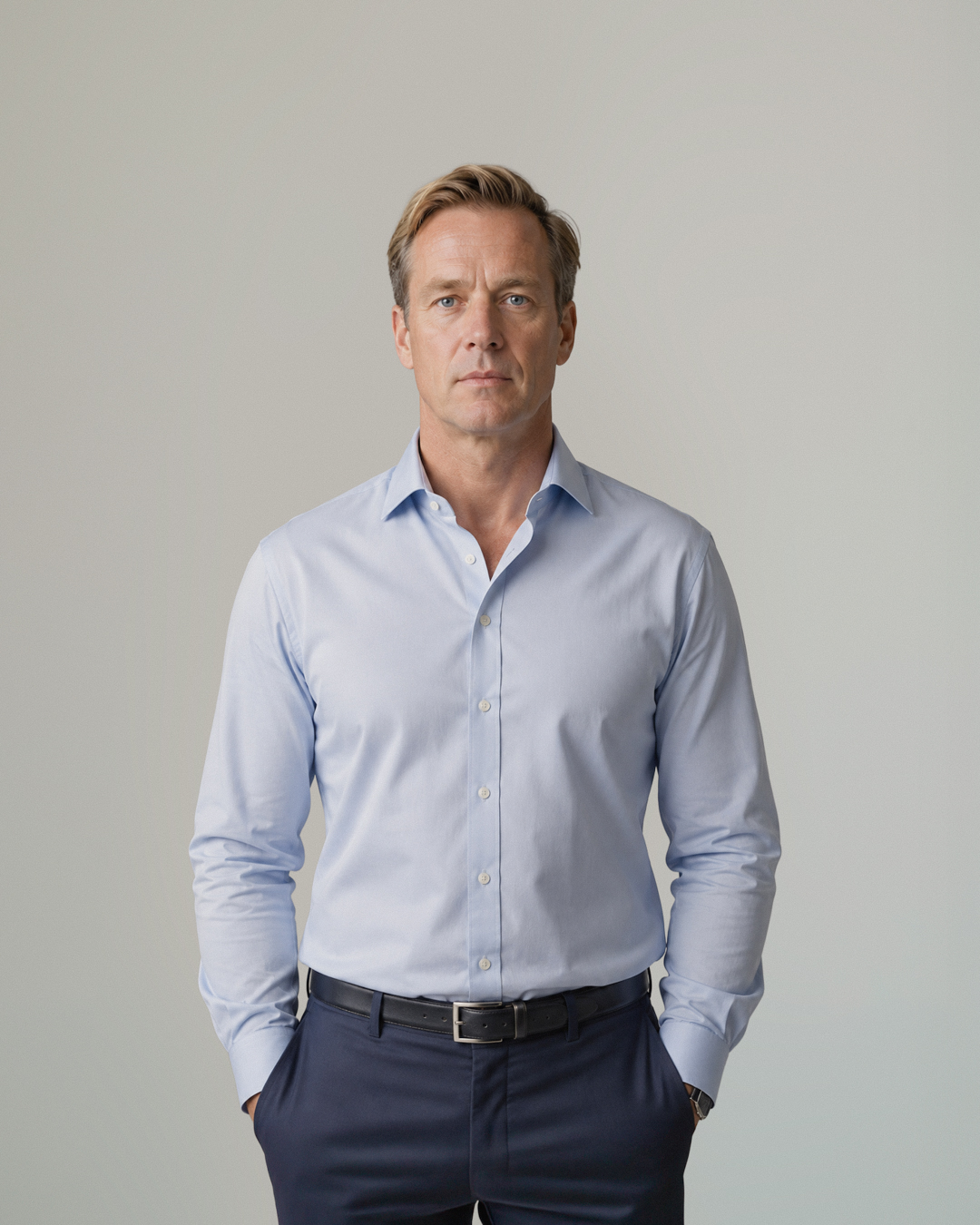
James Harrington(ジェームズ・ハリントン)
(English translation follows below)
数字は嘘をつかない、と言う人がいる。
たいてい、モデルを作ったことのない人だと思う。
数字はいくらでも間違う。
入力が間違っていれば間違うし、前提が楽観的なら結果も楽観的になる。将来の金属価格など、誰にも正確には分からない。
だから私たちは、一つの答えを作るのではなく、いくつもの答えを作る。
価格が二十パーセント下がったら。
建設が一年遅れたら。
燃料費が上がったら。
回収率が予定に届かなかったら。
許認可に時間がかかったら。
水の確保に追加投資が必要になったら。
そのたびに、モデルの中の世界が少し変わる。
私はそれを見るのが好きだ。
一つの数字を変えたとき、十年、二十年先まで連なったキャッシュフローが一斉に動く。
その動きには、かなり明確な美しさがある。
そう言うと、少し変な人間に聞こえるらしい。
仕方がない。
二十年以上やっている。
私は鉱山を決めているわけではない。
少なくとも、一人では決めていない。
地質学者がいる。採鉱技術者がいる。水の専門家がいる。環境チームがいる。地域社会との協議を担当する人間がいる。法務がいる。
彼らが持ってくるものを、私は別の形にする。
建設が遅れる可能性は、月になる。
追加の水インフラは、Capexになる。
操業上の制約は、生産量になる。
その結果、キャッシュフローが変わる。
冷たい仕事だと思う人もいるだろう。
私はそうは思わない。
問題を数字にすることと、その問題を重要ではないと考えることは同じではない。
むしろ逆の場合もある。
数字にしなければ、会議の最後に「懸念事項」と書かれて終わるものがある。
二年間の遅延と三億ドルの追加投資としてモデルに入れれば、誰も無視できない。
私が数字を信用するのは、数字が中立だからではない。
中立ではない。
誰かが前提を決めている。
私もその一人だ。
だから、前提を見える場所に置く。
「この結果になるためには、これを信じなければならない」と明示する。
人間の直感より、それは少しましだと思っている。
私は今評価している塩湖へ行ったことがない。
西オーストラリアの鉱山には何度も行った。
現場へ行くことに意味がないとは思わない。
写真では分からない大きさがある。
音も、匂いもある。
誰かが「近い」と言った距離が、実際に歩くとまったく近くないこともある。
ただ、現場へ行ったから正しい判断ができる、とも思わない。
近くにいると、一つのものが大きく見える。
遠くにいると、別のものが見える。
どちらにも盲点がある。
私の仕事は、かなり意図的に遠くから見る仕事だ。
今日、家に帰ると、娘がダイニングテーブルで学校の課題を作っていた。
気候変動についてのプレゼンテーションだった。
再生可能エネルギー。電気自動車。蓄電池。
スライドの一枚に、大きな風力発電機と、充電中の車の写真が並んでいた。
「見てくれる?」
と言われたので、隣に座った。
私は三枚目のグラフを見て、出典がないと言った。
娘は少し黙ってから、
「そこ?」
と言った。
私は笑った。
たぶん、父親として最初に言うべきことではなかった。
グラフの出典を探して、数字を一つ足し、文章を少し短くした。
娘は気候変動のことをかなり真剣に考えている。
学校で何を習っているのかもよく話す。
海面上昇のこと。
山火事のこと。
自分たちの世代が、私たちより長くその結果と暮らさなければならないこと。
私はだいたい聞いている。
訂正したくなるところもあるが、全部は言わないようにしている。
娘のタブレットにも、私の携帯電話にも、地下に停めてある車にも、どこかで採られた金属が入っている。
それがどこから来たものなのか、私は知らない。
仕事なら調べる。
鉱山名。
精製地。
輸送経路。
契約価格。
供給リスク。
自分の車については、そこまで調べたことがない。
夕食のあと、娘はプレゼンテーションを開いたまま自分の部屋へ行った。
私は同じテーブルに会社のノートパソコンを置いた。
明日の朝、投資委員会がある。
水インフラの追加費用を入れたケースと、操業開始が一年遅れたケースについて説明しなければならない。
数字を一つ変える。
NPVが下がる。
元に戻す。
別の前提を変える。
また数字が動く。
画面の左側には、アルゼンチン北西部の塩湖の名前が表示されている。
私はそこへ行ったことがない。
テーブルの反対側では、娘の画面がまだ消えていない。
スライドのタイトルは、
A Cleaner Future
となっている。
私はその隣で、もう一度モデルを計算する。
|1|
西オーストラリア州パース、ビジネス中心街。
スワン川を見下ろす高層オフィスの一角で、ジェームズ・ハリントン、46歳は二枚のモニターに向かっている。
資源会社の投資評価部門で、鉱山開発プロジェクトの財務モデルを担当している。
画面に開かれているのは、アルゼンチン北西部で計画されている塩湖型リチウム開発案件のモデルである。
鉱量。生産量。回収率。設備投資。操業費。電力。為替。税。ロイヤルティ。操業開始までの期間。
別のシートには、水供給、許認可、建設遅延、地域社会との協議などによって発生しうる複数のシナリオが並んでいる。
午前中、現地のプロジェクトチームから新しい建設費の見積もりが届く。
ジェームズは数字を更新する。
次に、操業開始が六か月遅れた場合、一年遅れた場合、リチウム価格が長期予測を下回った場合を順番に走らせる。
画面下部のNPVとIRRが変化する。
ある条件では、社内で求められている収益水準を超える。
別の条件では、下回る。
ジェームズが決めるのは、鉱山を開くかどうかではない。
どの条件なら投資として成立し、どの条件で成立しなくなるのかを明らかにし、その境界を投資委員会に提出することである。
午後の会議資料に、一行追加する。
Project remains value-accretive under Base Case.
その一行の下には、数十枚のシートと、数千のセルがある。
|2|
ジェームズは西オーストラリアの鉱山を訪れたことがある。
ヘルメットと安全眼鏡を着け、巨大な運搬車の横にも立った。
しかし、いま評価している南米の塩湖には行ったことがない。
現地について知っていることの多くは、報告書と画像と数字から得たものである。
衛星写真。
ボーリングデータ。
水文学調査。
建設工程。
地域別の人件費。
政府との協議記録。
コミュニティとの合意形成に必要とされる期間。
彼のモデルの中では、それらは同じ形式にはならない。
鉱石の品位は数字になる。
水の利用可能量も数字になる。
建設の遅延は月数になる。
許認可の不確実性は複数のシナリオになる。
地域社会との協議が長引けば、操業開始日が後ろへ移り、キャッシュフローが変わり、現在価値が下がる。
ジェームズは、それを「人間を数字に変えること」だとは考えていない。
むしろ、異なる種類の問題を同じ意思決定の場へ持ち込むためには、比較可能な形へ変換する必要があると考えている。
数字だけでプロジェクトが決まるわけではない。
だが、数字にならないものは、彼の仕事の中では比較することが難しい。
|3|
午後5時半を過ぎると、ジェームズはノートパソコンを閉じる。
一階のカフェでフラットホワイトを買い、地下駐車場へ降りる。
電気自動車に乗り、コテスロー方面へ向かう。
車のバッテリーにもリチウムが使われている。
そのリチウムがどこで採掘されたものなのか、ジェームズは知らない。
仕事なら確認する。
鉱山、精製地、輸送費、価格、供給リスク。
自分の車については調べたことがない。
自宅に着くと、娘が学校の課題を見せる。
気候変動についての短いプレゼンテーションである。
再生可能エネルギー、電気自動車、蓄電池。
ジェームズは内容を読み、図が分かりにくいと言ってレイアウトを直す。
「ここは数字を入れた方がいい」
娘はノートパソコンを引き寄せ、修正する。
夕食のあと、ジェームズは翌朝の会議資料をもう一度開く。
長期のリチウム需要予測が表示される。
その需要を支えている項目の一つに、電気自動車がある。
娘のプレゼンテーションにあったものと同じ言葉である。
|4|
パースは、世界の資源産業を支える主要都市の一つである。
鉱山会社だけでなく、エンジニアリング、地質、金融、法務、技術サービスなど、資源開発に関係する多くの機能が集まっている。
鉱山そのものから遠く離れた都市で、鉱山を動かす仕事も増えている。
西オーストラリアでは、ピルバラにある自律走行トラック、列車、ドリル、処理設備の一部が、約1,500キロ離れたパースのオペレーションセンターから監視・運用されている。
距離は、例外ではなくなっている。
大型鉱山の開発も、一人の人間や一つの財務モデルだけで決まるものではない。
地質、技術、環境、許認可、安全、地域社会との関係、資金調達。
複数の専門領域による評価を経て、投資委員会や経営層へ上がっていく。
ジェームズのモデルは、そのうちの一つである。
ただし、最終的な意思決定の場では、それぞれ異なる問題を並べて比較しなければならない。
水。
時間。
土地。
労働。
炭素。
建設費。
将来の金属価格。
それぞれ異なる現実が、投資判断のための資料の中で、少しずつ共通の尺度へ翻訳されていく。
南米の塩湖では、地下のかん水が汲み上げられ、方式によっては広大な蒸発池へ送られる。地域によっては、かん水の採取と周辺の水環境との関係をめぐって、コミュニティや研究者から懸念が示されている。
パースの会議室には、その場所の風も、乾燥した空気も届かない。
代わりに届くのは、水文学調査のPDFと、工程表と、更新されたExcelファイルである。
意思決定の場所と、その結果が物理的に現れる場所は離れている。
その距離を埋めるためにデータが使われる。
同時に、そのデータがあるからこそ、距離を保ったまま決定することもできる。
English
People sometimes say that numbers do not lie.
Usually, I suspect, they are people who have never built a model.
Numbers are wrong all the time.
If the inputs are wrong, the output will be wrong. If the assumptions are optimistic, the result will be optimistic. Nobody knows the future price of a metal with precision.
That is why we do not build one answer.
We build many.
What if the price falls twenty percent?
What if construction is delayed by a year?
What if fuel costs rise?
What if recovery fails to reach design?
What if permitting takes longer?
What if securing water requires additional capital?
Each time, the world inside the model changes slightly.
I enjoy watching that happen.
Change one assumption and a chain of cash flows stretching ten or twenty years into the future moves with it.
There is a very particular kind of beauty in that.
Apparently, saying this makes me sound strange.
Fair enough.
I have been doing it for more than twenty years.
I do not decide whether a mine is built.
At least, not by myself.
There are geologists. Mining engineers. Water specialists. Environmental teams. People responsible for community engagement. Lawyers.
They bring things to me, and I translate some of them into another form.
The possibility of delay becomes months.
Additional water infrastructure becomes capital expenditure.
Operating constraints become production volumes.
The cash flow changes accordingly.
Some people would call that cold.
I do not.
Turning a problem into a number is not the same as deciding that the problem does not matter.
Sometimes it is the opposite.
Leave something as a paragraph marked “concern” at the end of a presentation and it may remain a concern.
Put two years of delay and three hundred million dollars of additional capital into the model, and nobody can ignore it.
I do not trust numbers because I think they are neutral.
They are not.
Someone chooses the assumptions.
I am one of those people.
That is why the assumptions should be visible.
The model should say: for this result to be true, these are the things you must believe.
I think that is slightly better than intuition.
I have never been to the salar I am currently evaluating.
I have visited mines in Western Australia many times.
I do not think site visits are meaningless.
There is scale that photographs do not convey.
There is sound and smell.
A distance described as “close” in a report can feel very different when you actually walk it.
But I do not believe that standing at a site automatically produces a better decision either.
Up close, one thing becomes very large.
From far away, different things become visible.
Both positions have blind spots.
My work is quite deliberately done from a distance.
Today, when I came home, my daughter was working on a school assignment at the dining table.
It was a presentation about climate change.
Renewable energy. Electric vehicles. Batteries.
One slide showed a large wind turbine beside a photograph of a car being charged.
“Can you look at this?”
she asked.
I sat beside her.
On the third slide, I noticed that a graph had no source.
I pointed it out.
She was quiet for a moment.
“That’s what you noticed?”
I laughed.
Perhaps it was not the first thing a father was supposed to say.
We found the source, added one figure, and shortened some of the text.
My daughter thinks about climate change quite seriously.
She often tells me what they are learning at school.
Sea-level rise.
Bushfires.
The fact that her generation will have to live with the consequences for longer than mine.
Mostly, I listen.
There are things I want to correct, but I try not to correct all of them.
Her tablet, my phone, and the car parked downstairs all contain metals extracted somewhere.
I do not know where those particular metals came from.
At work, I would find out.
Mine.
Refinery.
Transport route.
Contract price.
Supply risk.
I have never investigated my own car that closely.
After dinner, my daughter left her presentation open and went to her room.
I placed my company laptop on the same table.
There is an investment committee meeting tomorrow morning.
I have to explain the case with additional water infrastructure and another case in which first production is delayed by a year.
I change one number.
The NPV falls.
I change it back.
I change another assumption.
The numbers move again.
On the left side of the screen is the name of a salar in northwestern Argentina.
I have never been there.
Across the table, my daughter’s screen is still awake.
The title of her slide reads:
A Cleaner Future
Beside it, I run the model one more time.
|1|
Perth, Western Australia. The central business district.
In a high-rise office overlooking the Swan River, James Harrington, forty-six, sits in front of two monitors.
He works in investment evaluation for a global resources company, building financial models for proposed mining projects.
On his screen is a lithium brine development project planned for northwestern Argentina.
Resource estimates. Production volumes. Recovery rates. Capital expenditure. Operating costs. Power. Foreign exchange. Tax. Royalties. Time to first production.
Another sheet contains scenarios for water availability, permitting, construction delays, and the time required for consultation with local communities.
That morning, an updated construction estimate arrives from the project team.
James changes the inputs.
He runs the model again with first production delayed by six months, then by a year, then with the long-term lithium price below the company forecast.
The NPV and IRR at the bottom of the screen move.
Under one set of assumptions, the project clears the company’s required return.
Under another, it does not.
James does not decide whether the mine will be built.
His job is to identify the conditions under which the investment works, the conditions under which it stops working, and the boundary between the two, then present that boundary to the investment committee.
He adds a line to the afternoon presentation.
Project remains value-accretive under Base Case.
Beneath that sentence sit dozens of sheets and thousands of cells.
|2|
James has visited mines in Western Australia.
He has worn a hard hat and safety glasses and stood beside haul trucks large enough to make a person appear miniature.
But he has never visited the South American salar he is currently evaluating.
Most of what he knows about the place arrives through reports, images, and numbers.
Satellite photographs.
Drilling data.
Hydrology studies.
Construction schedules.
Regional labour costs.
Government consultation records.
Estimates of the time required to reach agreements with local communities.
Inside his model, these things do not begin in the same form.
Ore grade becomes a number.
Water availability becomes a number.
Construction delay becomes months.
Permitting uncertainty becomes a set of scenarios.
If community consultation takes longer, first production moves backward, the cash-flow profile changes, and the present value falls.
James does not think of this as turning people into numbers.
He thinks of it as translating unlike problems into forms that can enter the same decision.
Numbers do not decide the project by themselves.
But within his work, things that cannot be expressed in comparable terms are difficult to compare.
|3|
After half past five, James closes his laptop.
He buys a flat white from the café downstairs and takes the lift to the underground car park.
He drives an electric car toward Cottesloe.
Its battery contains lithium.
James does not know where that particular lithium was mined.
At work, he would check.
Mine. Refinery. Freight. Price. Supply risk.
He has never investigated the supply chain of his own car.
At home, his daughter shows him a school assignment.
It is a short presentation about climate change.
Renewable power. Electric vehicles. Batteries.
James reads it and tells her that one of the diagrams is difficult to understand.
“Put a number here.”
She pulls the laptop back and changes it.
After dinner, James opens the presentation for the following morning’s meeting once more.
A long-term lithium demand forecast fills the screen.
One of the categories driving that demand is electric vehicles.
The same words that appeared in his daughter’s presentation.
|4|
Perth is one of the major cities supporting the global resources industry.
Mining companies are joined by engineering, geology, finance, legal, and technical services that make large-scale resource development possible.
Increasingly, some of the work of operating mines also takes place far from the mines themselves.
In Western Australia, autonomous trucks, trains, drills, and parts of processing operations across the Pilbara can be monitored and operated from an operations centre in Perth, roughly 1,500 kilometres away.
Distance is no longer an exception.
Nor is a major mining project approved by a single person or a single financial model.
Geology, engineering, environment, permitting, safety, community relationships, and finance pass through different forms of assessment before a proposal reaches investment committees and senior decision-makers.
James’s model is only one part of that process.
But at the point of investment, unlike things still have to be compared.
Water.
Time.
Land.
Labour.
Carbon.
Construction cost.
The future price of a metal.
Different physical realities are gradually translated into more comparable forms for a decision to be made.
At some South American salars, lithium-rich brine is pumped from beneath the salt crust and, depending on the process used, moved through large evaporation ponds. In several regions, communities and researchers have raised questions about how brine extraction interacts with surrounding water systems.
None of the wind or dry air from that landscape reaches the meeting room in Perth.
What arrives instead is a hydrology report in PDF form, a project schedule, and an updated Excel file.
The place where a decision is made and the place where its physical consequences appear are far apart.
Data is used to bridge that distance.
It also makes it possible to make the decision without closing it.
日本語本作に登場する人物・語りは、実在の個人に基づいたものではありません。設定・描写にあたっては、人物の文化背景、言語、歴史、現在の社会状況について文献・記録・当事者の語り等を調査し、それらをもとに構成・再構成し、物語として描いています。ただし、たとえ綿密なリサーチをもとにしていても、"他者の声を仮構すること"には構造的な危うさがあると私は考えています。この作品は、その危うさごと提出するための試みです。
EnglishThe characters and narratives presented here are not based on any real individuals.The setting and depiction are constructed and restructured through research into cultural backgrounds, languages, histories, and contemporary conditions—including archival sources and first-person accounts—and are rendered here as a narrative.However, even when grounded in careful research, I believe that fictionalizing the voice of another carries inherent structural risk.This piece is an attempt to present that risk itself—openly and with accountability.