.webp)


.png)


the Unchosen
E30 Natalia Orlova
|1|朝の光と紅茶のあいだで
サンクトペテルブルクの朝は、長い冬のあいだ灰色の静寂をまとっている。人々が足早に駅へ向かう通勤時間にも、街路樹の枝はほとんど動かない。室内にいる彼女は、薄く切った黒パンにチーズを載せ、湯気の立つ紅茶を前にしている。
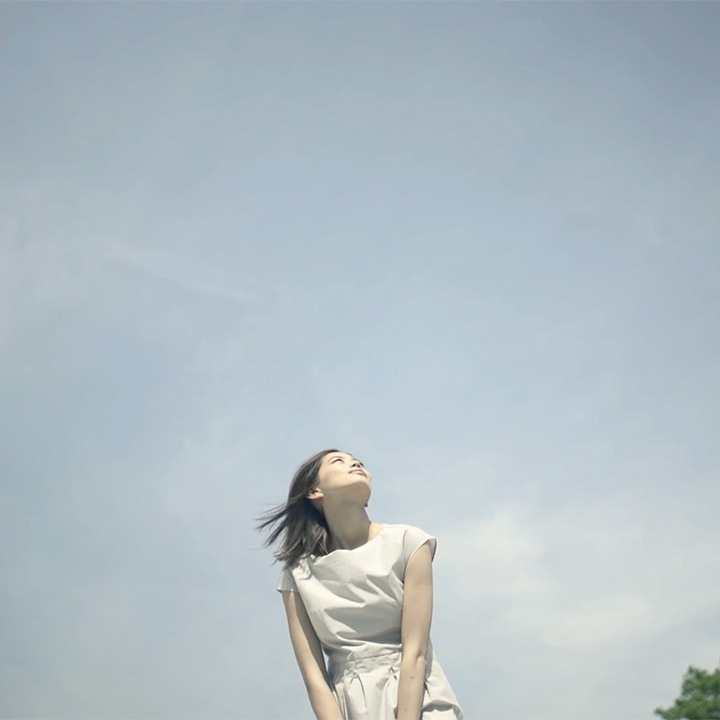
白い綿のシャツとチャコールグレーのスラックス。その端正な装いのまま、彼女はゆっくりとした手つきで日記を開く。毎朝数行、日々の記憶や印象を残すこの時間が、彼女にとっては「語る」ことにもっとも近い行為である。
展示資料の構想、昨夜の美術展の感想、あるいは国外に住む知人から届いた長文のメールへの返信の下書き。書かれる内容は定まっていないが、すべてが現在進行形の対話の一部である。感情はそこに沈み、言葉は表層をなぞるだけだ。
彼女は話す前に一呼吸を置く。これは躊躇ではなく、対象への敬意のようなものだ。
|2|展示の裏側で
美術史を学んだ彼女は、いま教育普及と展示企画を主な職務として文化施設に勤めている。展覧会のコンセプトを立案し、来場者に向けて解説文を準備する。あるいは学校団体向けのワークショップを設計し、子どもたちの反応を観察する。
「言葉にならないもの」を言葉にする作業。だが、必ずしもすべてを語る必要はない──と彼女は考えている。展示における余白や沈黙は、観る者に委ねるための空間であり、断絶ではない。
彼女の展示には、解説を最小限にとどめた一角がある。たとえば、1930年代のモスクワ前衛絵画を扱った特設コーナー。そこには年表も政治的背景の詳述もなく、ただ数点の作品と一冊の閲覧ノートが置かれていた。来場者がそのノートに記した言葉が、彼女にとっての“解説”の続きである。
静かな共鳴。意見ではなく、気配のような。
|3|選ばれなさと都市の知性
彼女は政治について語らない。だが、それは無関心からではない。
現在のロシアにおいて、文化施設で働く知識人が公的に発言することには、複雑な制約が伴う。とくに教育と展示という「解釈」を担う職域では、その言葉が制度や価値観を問うものとして読まれやすい。
だからこそ彼女は、「語らない」を選ぶ。抑制ではなく、選択として。
彼女のような都市型の知識層──言語と文化を媒介に日常を織る者たちは、しばしば表舞台に立つことを求められない。だがそれは「選ばれなかった」ことではない。注目されないままに営まれる静かな実践が、都市の倫理を支えている。
柔らかく、冷静で、観察に徹する姿勢。紅茶を飲みながら書き留めた日記の一行が、制度への小さな問いを含んでいるかもしれない。だがその問いは声を上げず、誰かのまなざしの中でふと立ち上がるのを待っている。
──そして、そのような沈黙や余白の感性は、ロシア文化に深く根ざしているものでもある。 語らないことで語る。皮肉も怒りも、どこか静かな形式に溶け込み、暗喩や時間のゆらぎとなって現れる。 彼女が共有する感受性は、チェーホフの筆致やタルコフスキーの映像詩、あるいは前衛美術に見られる「ずらされた視点」と連なっている。
本作に登場する人物・語りは、実在の個人に基づいたものではありません。 設定・描写にあたっては、人物の文化背景、言語、歴史、現在の社会状況について文献・記録・当事者の語り等を調査し、それらをもとに構成・再構成し、物語として描いています。 ただし、たとえ綿密なリサーチをもとにしていても、“他者の声を仮構すること”には構造的な危うさがあると私は考えています。 この作品は、その危うさごと提出するための試みです。

Unnoticed Practice
|1|Between Morning Light and Tea
In Saint Petersburg, the morning during the long winter is draped in grey silence. Even during the morning rush as people hurry toward the station, the branches of the roadside trees barely move. Inside, she sits before a cup of steaming tea and a slice of dark bread topped with cheese.
Wearing a white cotton shirt and charcoal grey slacks, she calmly opens her diary with deliberate hands. Each morning, she writes a few lines—fragments of memory or impressions. For her, this is the closest act to "speaking."
Sketches of exhibition ideas, reflections on last night’s art show, or a draft reply to a long email from a friend living abroad—what she writes is not fixed, but all of it forms a quiet, ongoing dialogue. Emotion settles into the lines, and words merely trace the surface.
She pauses before speaking. Not out of hesitation, but as a form of respect for her subject.
|2|Behind the Exhibition
Having studied art history, she now works in a cultural institution, mainly in educational outreach and exhibition planning. She drafts exhibition concepts and prepares explanatory texts for visitors. She also designs workshops for school groups and observes the children's reactions.
To put into words what resists language. But she believes that not everything needs to be said. The silences and spaces in an exhibition are not voids—they are places left for the viewer.
In one corner of her exhibition, explanations are deliberately minimized. For instance, in a special section on 1930s Moscow avant-garde painting, there is no timeline or political exposition—only a few selected works and a notebook for visitor comments. For her, those comments become a continuation of the exhibition’s message.
A quiet resonance. Not opinions, but something like a shared presence.
|3|Unchosen and the Urban Intellect
She does not speak about politics—but not out of indifference.
In today’s Russia, public speech by intellectuals in cultural institutions carries complex risks. Especially in roles that involve interpretation, such as education and curation, statements can easily be read as challenges to the system.
That is why she chooses not to speak. Not repression, but choice.
People like her—urban intellectuals who weave daily life through language and culture—are rarely called to the public stage. But this is not because they were "unchosen." Quiet practices that go unnoticed uphold the ethics of the city.
Gentle, composed, and observant—her stance is one of quiet resistance. A line in her diary, written over morning tea, may contain a subtle question directed at the system. But that question does not cry out; it waits silently to arise in someone else's gaze.
──And this sensitivity to silence and space is deeply rooted in Russian culture. To speak by not speaking. Irony and anger are often dissolved into a quiet form—emerging as metaphor or temporal dissonance. Her sensibility is aligned with Chekhov’s prose, Tarkovsky’s visual poetry, or the displaced perspectives seen in the Russian avant-garde. She does not imitate them, but shares in the same lineage of expression.
The characters and narratives presented here are not based on any real individuals. The setting and depiction are constructed and restructured through research into cultural backgrounds, languages, histories, and contemporary conditions—including archival sources and first-person accounts—and are rendered here as a narrative. However, even when grounded in careful research, I believe that fictionalizing the voice of another carries inherent structural risk. This piece is an attempt to present that risk itself—openly and with accountability.