.webp)


.png)


今日は朝からリハーサル。
鏡の前で同じ動きを何度も繰り返していると、からだより先に気持ちが折れそうになる。だけど、もう一度深呼吸して、音に合わせて踏み出す。そうすると、不思議と足の裏が「まだいける」って答えてくれる。
夕方にはワークショップ。子どもたちにダンスを教える時間は、正直めちゃくちゃ体力を使う。でも、彼らの笑い声に混ざって一緒に動いてると、こっちの疲れもだんだん溶けていく。あの瞬間は本当に好き。
夜はクラブでのショー。暗いフロアに音が響き出した瞬間、昼間の不安とか迷いとか、全部どこかに消えていく。汗で髪が頬に張りついて、息が荒くなっても、まだ踊れる。光がひとすじ差し込んだとき、観客の目がこちらに向くのを感じる。ああ、この一瞬のために全部やってるんだなって思う。
そして今、夜明け前のトラムの中でスマホを開いて、指先でこの文章を打っている。外はまだ眠っているのに、私のからだは火照ったまま。窓に映る自分の顔は少し疲れてるけど、それも悪くない。
明日もまた、きっと同じように動いて、悩んで、笑って、踊る。
それが私の毎日で、たぶん私の生き方なんだと思う。
——あなたの一日は、どんなリズムで流れてる?
|1|
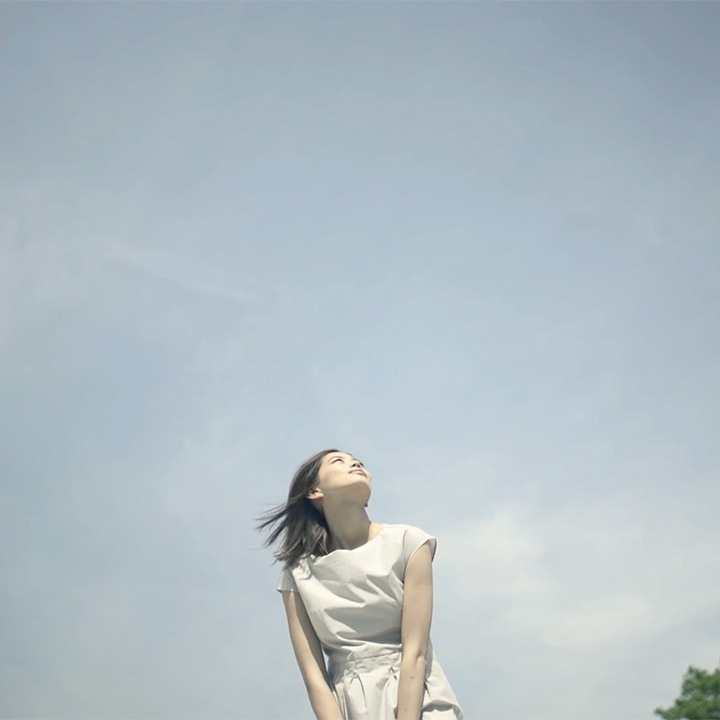
アムステルダム、冬の夕暮れ。ステージとストリートのあいだで、彼女は今日も踊っている。クラブの薄明かりの下、からだは光と音のあいだを行き来する。
アミラ・スークラル、30歳。ダンサーであり、振付師。スリナムにルーツを持つ家系に生まれ、都市の文化に揉まれながら育った。芸術大学で舞踊とパフォーマンスを学び、卒業後はフリーランスとして活動している。クラブイベント、フェスティバル、ワークショップ。出演と制作、教えることと学びなおすこと。夜と昼、それぞれの時間帯で彼女の仕事は続いている。
|2|
日中はリハーサルと指導。夜にはステージに立つ。収入は安定しないが、都市の動きと共に変化し続ける暮らしに、彼女はむしろ自由を見ている。単身で暮らし、親族は郊外に。多様な人々が交差する都市の空気のなかで、彼女は柔軟に呼吸している。
からだを動かすことは、彼女にとって表現であると同時に、交信でもある。外交的で、人とのやりとりを恐れない。プロジェクトごとに異なるアーティストたちと手を組みながら、ダンスを通じて対話を重ねている。
|3|
だが彼女のからだが立っているその都市の床には、もうひとつ別の記憶が積もっている。アミラの家族が属するスリナム系コミュニティは、オランダの植民地支配の歴史と切り離せない。
スリナムがオランダ領になったのは17世紀。奴隷制のもとでプランテーション経済が支えられ、アフリカから連れてこられた人々が労働力として酷使された。奴隷制が廃止されたのは1863年。ただし、スリナムでは「国家監督」という名目の下で、解放された人々がさらに10年間、拘束され続けた。公式に自由を得たのは1873年——それはちょうど、アミラが踊るこの年から150年前のことだ。
その後、労働力の不足を補うために、英領インドからヒンドゥスターニーと呼ばれる移民が送り込まれ、さらにインドネシア(当時のオランダ領東インド)からもジャワ人が加わった。アミラの家系も、この移民の流れのどこかに位置している。
そして1975年、スリナムは独立する。だがその直前から、将来への不安を感じた多くの人々が、家族ごとオランダへ移住した。結果として、今ではスリナム系住民の大半がオランダ国内に暮らしていると言われる。
「可視化されやすい有色女性」としての彼女の存在は、そうした移動の歴史の延長にある。統計上「移民背景」が見直される現在でも、差別や偏見の経験は個人の記憶として残る。制度が分類を変えても、街の視線が変わるとは限らない。
それでも、アミラは踊る。クラブの照明の下、あるいは夜明け前のトラムの車内で。制度の隙間に立つことを、彼女は恐れていない。からだが語る歴史があるとすれば、それは選ばれなかった物語ではなく、自ら踏みしめてきた足取りの軌跡なのだ。

E31 Finding My Place in the Dance
Rehearsal started early this morning.
Repeating the same movement again and again in front of the mirror makes my mind want to give up before my body does. But when I take a deep breath and step into the music again, somehow the soles of my feet answer back: you can still go on.
By evening I was teaching a workshop. Working with kids takes so much energy, honestly. But when I move together with them, and their laughter fills the room, my own tiredness starts to dissolve. I really love that moment.
Tonight I had a show at a club. The second the music hit the dark floor, all the doubts and worries from the day disappeared. Even when sweat glued my hair to my face, even when my breath grew heavy—I could still dance. And when a single beam of light cut through and I felt the audience’s eyes shift toward me, I thought: yes, this is why I do all of it.
And now, before dawn, I’m on the tram, tapping these words into my phone. The city is still asleep, but my body is burning from the night. My reflection in the window looks a little tired, but I don’t mind.
Tomorrow I’ll move again. Worry again. Laugh again. Dance again.
That’s my every day. Maybe it’s just my way of living.
——What rhythm carries you through your day?
|1| Amsterdam, winter dusk. Between stage and street, she dances once more. Beneath the club’s dim lights, her body moves in and out of sound and illumination.
Amira Soekhlal, 30. A dancer and choreographer. Born into a Surinamese diaspora family, shaped by urban culture. She studied dance and performance at an arts university and now works freelance. Club gigs, festivals, workshops. Performing and creating, teaching and re-learning—her work flows between day and night.
|2| By day, she rehearses and teaches. By night, she performs. Her income fluctuates, but in the city’s ever-shifting rhythm, she finds freedom. Living alone, with relatives in the suburbs, she breathes with the diverse life of the city around her.
Movement is her expression—and her language. Outgoing and open, she collaborates across disciplines, exchanging ideas through dance with artists of many kinds.
|3| Yet beneath the floor where she stands, another memory resides. The Surinamese community Amira comes from is inseparable from the history of Dutch colonialism.
Suriname became a Dutch colony in the 17th century. Its plantation economy depended on slavery, and Africans were forcibly brought as labor. Slavery was abolished in 1863, but in Suriname, "state supervision" meant ten more years of forced work. True freedom came only in 1873—150 years before the year in which Amira now dances.
Later, to meet labor shortages, contract workers were brought from British India (known as Hindustanis), and then from the Dutch East Indies (now Indonesia). Amira’s family traces its roots somewhere within these flows.
In 1975, Suriname became independent. But even before that, many fearing instability migrated to the Netherlands. Today, a large portion of Surinamese-origin people live not in Suriname, but in Dutch cities.
Her presence as a "highly visible woman of color" is shaped by that history of movement. Even as national statistics shift how they define migration background, the experience of bias remains personal and persistent. Changing labels doesn’t always mean changing how the city sees you.
Still, Amira dances. Beneath club lights, in early-morning trams. She does not fear standing at the edges of systems. If the body carries history, it does so not as a forgotten story—but as a trace of each step she has claimed as her own.