.webp)


.png)


the Unchosen
F02 Nadine Klein
English translation follows below.

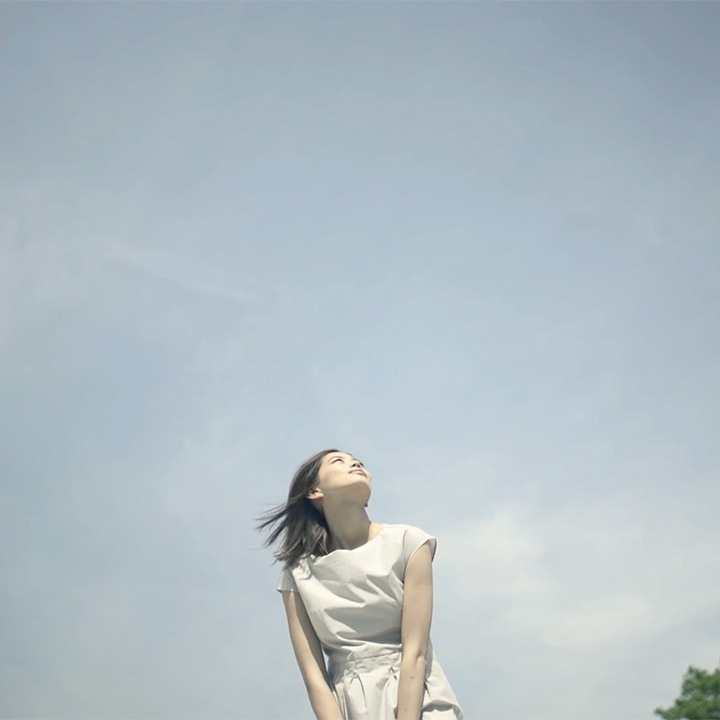
朝の光が弱い時間に、町の外れのバス停に立つ。舗装の割れ目から伸びた雑草が風に揺れるたび、小さいころに感じた心細さを思い出す。学校帰り、白人地区の前を通るときに、誰にも見られていないのに息を詰めて歩いたあの感覚が、まだ体に残っている。
バスの窓の向こうで、高い塀の影が流れていく。この塀は誰を守り、誰を閉め出すためにあるんだろう。そんな問いが頭をよぎるけれど、答えは風景に溶けてしまう。
制服を着た子どもたちは、何も知らない顔をして眠そうに揺られている。でも、あの子たちだっていつか気づくだろう。どこまで自由に歩けるのか、どこから先は遠慮しなければならないのか、誰も教えないのに体で学ぶ日が来る。
境界線を引いた誰かの手は、もうとっくに姿を消しているのに、線だけがこの町に残っている。もし僕がその線を越え続けたら、あの子たちは自由の形を少し変えられるだろうか。その少しが、いつか誰かの世界を広げることになるだろうか。
誰かの笑い声とすれ違いながら、今日は少し先へ歩けるかもしれない。
Standing at the edge of town in the faint light of morning, I wait at the bus stop. Each time the wind stirs the weeds sprouting from the cracked pavement, it brings back the lonely feeling I had as a child. On my way home from school, I would hold my breath walking past the white neighborhood, afraid of being seen even when no one was looking.
Outside the bus window, shadows of high walls slide by. Who were these walls built to protect, and who were they built to shut out? The question drifts through my mind, but the answer dissolves into the scenery.
Children in uniforms sway sleepily, their faces innocent and unaware. Yet someday they too will realize: how far they can walk freely, where they must hesitate—no one tells them, but their bodies will learn.
The hands that once drew these lines disappeared long ago, yet the lines remain etched in this town. If I keep crossing them, could I change the shape of freedom for those children? Could that small change someday expand someone’s world?
Passing by the sound of someone’s laughter, I feel like I might take a step further today.
|1|
ナディーンは、ボーフォートウェストの乾いた大地に暮らしている。30年をこの町で過ごし、かつてアパルトヘイトの分類上「Coloured」とされた人々の居住区に育った。幼い頃、制度はすでに撤廃されていたが、街の道路標識や校舎の老朽化、地区ごとに異なるインフラ整備の進度に、過去の影が今も残っている。彼女の家族はコイサン、ヨーロッパ、マレー系の血を引き、長い植民地支配と制度的人種差別の歴史を受け継いでいた。家の中では儀礼的にアフリカーンスが使われることもあったが、母語は英語。ナディーンは宗教的には無所属で、家族にいたプロテスタントの信仰からは距離を置いている。
|2|
地域のNPOに所属する彼女は、差別撤廃や若年層の教育サポートに関わっている。日々の現場で他者の声を拾い、支援を調整し、必要な制度につなぐ役割を担う。制度が「誰を支援するか」を決める際の線引きは複雑で、分類を越えた存在は往々にして見落とされる。ナディーンは「なぜそうなのか」をいちいち語らなくて済む場を作ろうとしている。声を上げるのは、声を出さずに済む空間を確保するためだ。
|3|
南アフリカの「Coloured」とは、アパルトヘイト政権期に白人と黒人の中間的存在として制度上に作られたカテゴリーだった。これは人種分類法などの法制度に基づいて強制的に付与され、住む場所、通う学校、医療やインフラへのアクセスすべてに差を生んだ。西ケープ州を中心に形成されたColouredコミュニティは、コイサン先住民やマレー系、ヨーロッパ入植者、奴隷貿易で連れてこられた人々の子孫が交わり、植民地支配と人種差別政策によって「混血」と規定された人々である。
アパルトヘイトの終結から約30年が経った今も、住区や学校区分、公共サービスの不均衡、就労機会の格差など、かつての線引きが社会に残っている*。ナディーンが暮らすボーフォートウェストでも、Colouredコミュニティには貧困率が高く、教育や医療へのアクセスに壁がある。制度が残した「選別の論理」は、支援の現場でも矛盾を生み続けている。ナディーンは自分自身が「見落とされがちな存在」であることを知りながら、その経験を言葉にする代わりに、支援を届け続けている。
──────────────
本作に登場する人物・語りは、実在の個人に基づいたものではありません。 設定・描写にあたっては、人物の文化背景、言語、歴史、現在の社会状況について文献・記録・当事者の語り等を調査し、それらをもとに構成・再構成し、物語として描いています。 ただし、たとえ綿密なリサーチをもとにしていても、“他者の声を仮構すること”には構造的な危うさがあると私は考えています。 この作品は、その危うさごと提出するための試みです。

|1|
Nadine lives in the arid land of Beaufort West. She has spent 30 years in this town, growing up in a community historically classified as “Coloured” under apartheid. Though the system was abolished during her early childhood, the shadows of the past remain in the street signs, deteriorating school buildings, and uneven infrastructure across districts. Her family carries the intertwined heritage of Khoisan, European, and Malay ancestries, bearing the legacy of long colonial rule and institutionalized racial discrimination. Afrikaans is still used ceremonially at home, but her first language is English. Nadine identifies as non-religious, having distanced herself from the Protestant faith some of her family members once held.
|2|
She works for a local NPO, engaging in efforts to end discrimination and supporting educational opportunities for young people. In her daily work, she listens to others’ voices, coordinates aid, and connects people to necessary services. She understands that the constant ambiguity of pronouns like “he” or “she” in IDs and official documents itself shows that existing systems still fail to anticipate gender diversity. This is why Nadine strives to create spaces where no one has to explain “why they are who they are.” She raises her voice only to secure silence—so that others can exist without the need to speak.
|3|
In South Africa, “Coloured” was a category institutionally created under apartheid as an intermediate existence between white and Black people. This label, enforced by racial classification laws, determined where people could live, which schools they could attend, and how they accessed healthcare and infrastructure. Communities classified as Coloured—particularly in the Western Cape—descend from Khoisan, Malay, European settlers, and those brought by the slave trade, all of whom were defined as “mixed” by colonial and apartheid authorities.
Though more than 30 years have passed since the end of apartheid, former divisions remain embedded in housing, school districts, unequal public services, and employment opportunities*. In Beaufort West, where Nadine lives, Coloured communities still face high poverty rates and barriers to education and healthcare. The logic of “selection” left by the old system continues to produce contradictions even in support structures. Aware of her own experience as someone easily overlooked by society, Nadine chooses to deliver aid rather than narrate her story.
---------------------------------------------------------------------------
The characters and narratives presented here are not based on any real individuals. The setting and depiction are constructed and restructured through research into cultural backgrounds, languages, histories, and contemporary conditions—including archival sources and first-person accounts—and are rendered here as a narrative. However, even when grounded in careful research, I believe that fictionalizing the voice of another carries inherent structural risk. This piece is an attempt to present that risk itself—openly and with accountability.