.webp)


.png)


The Unchosen S.12
Diego Rojas(ディエゴ・ロハス)
(English translation follows below)
十時間、私は岩を叩く。
正確には、鉱脈だ。画面の中の、同じテクスチャの岩。カチン、と音がして、数字が少しだけ増える。それを一日に何千回も繰り返す。指ではなく、手首から先に死ぬ。
値のいい鉱脈は、たいてい無法地帯にある。安全な場所の岩は、金にならない。だから私は、誰かに殺されうる場所で、下を向いて岩を叩く。
私は大学で情報工学をやった。コードも書けるし、サーバーの設計もわかる。だがこの国では、私の学位より、私のクリック速度のほうが金になる。エンジニアの月給が、数日で紙くずになる国だ。皮肉ではなく、ただの為替の話として、そうなっている。
画面の奥を、光る鎧の連中が通り過ぎていく。北米か、ヨーロッパか。ドラゴンに乗って、笑いながら。彼らにとってここは、仕事のあとの遊び場だ。まったく同じ座標に、私はいる。同じ空の下で、私は工場にいる。
彼らは私を見ない。正確には、見えていない。彼らの目に映る私は、人間ではなく、風景の一部か、せいぜい「相場を歪める邪魔なbot」だ。掲示板には、私たちの殺し方を書いた「攻略」がある。ベネズエラ人の見分け方、効率のいい狩り方。ご丁寧に。
このゲームでは、死ぬと、まだ金庫に預けていない金貨を全部失う。つまり、誰かが私を殺すと、その日の労働はゼロに戻る。その晩、母のパンが一つ減る。彼らはそれをスポーツとしてやる。私にとっては、食事だ。同じ操作、同じ画面、まったく違う意味。
深夜、ノルマを終えると、人気のない路地で仲介屋と落ち合う。取引ウィンドウを開いて、数千万の金貨を渡す。しばらくすると、スマホが震える。ウォレットに、数ドルぶんのUSDTが入る。私の手元に残るのは、そのうちのさらに一部だ。
翌日、私はそれをボリバルには換えない。小麦粉に換える。母の血圧の薬に換える。この国の通貨より、ファンタジーのピクセルのほうが、価値が安定している。国家の刷る紙より、架空の金貨のほうが信用できる。笑うところだと思う。私はもう、うまく笑えないが。
昔、このゲームを遊びとしてやっていた時期があった、と思う。たぶん。ドラゴンが怖くて、仲間と洞窟に潜って、夜が明けるのを忘れた。今はBGMを消している。効率が落ちるから。チャットも見ない。金にならないから。世界は同じなのに、私にとってそれは、もう世界ではない。作業場の壁紙だ。
よく訊かれる。これは現実逃避か、と。逆だ。私にとってこれは、現実そのものだ。むしろ、崩れていく国のほうが、よほど出来の悪いファンタジーに見える。
私は岩を叩き続ける。カチン、カチン。この音だけが、たぶん、嘘をつかない。
|1|
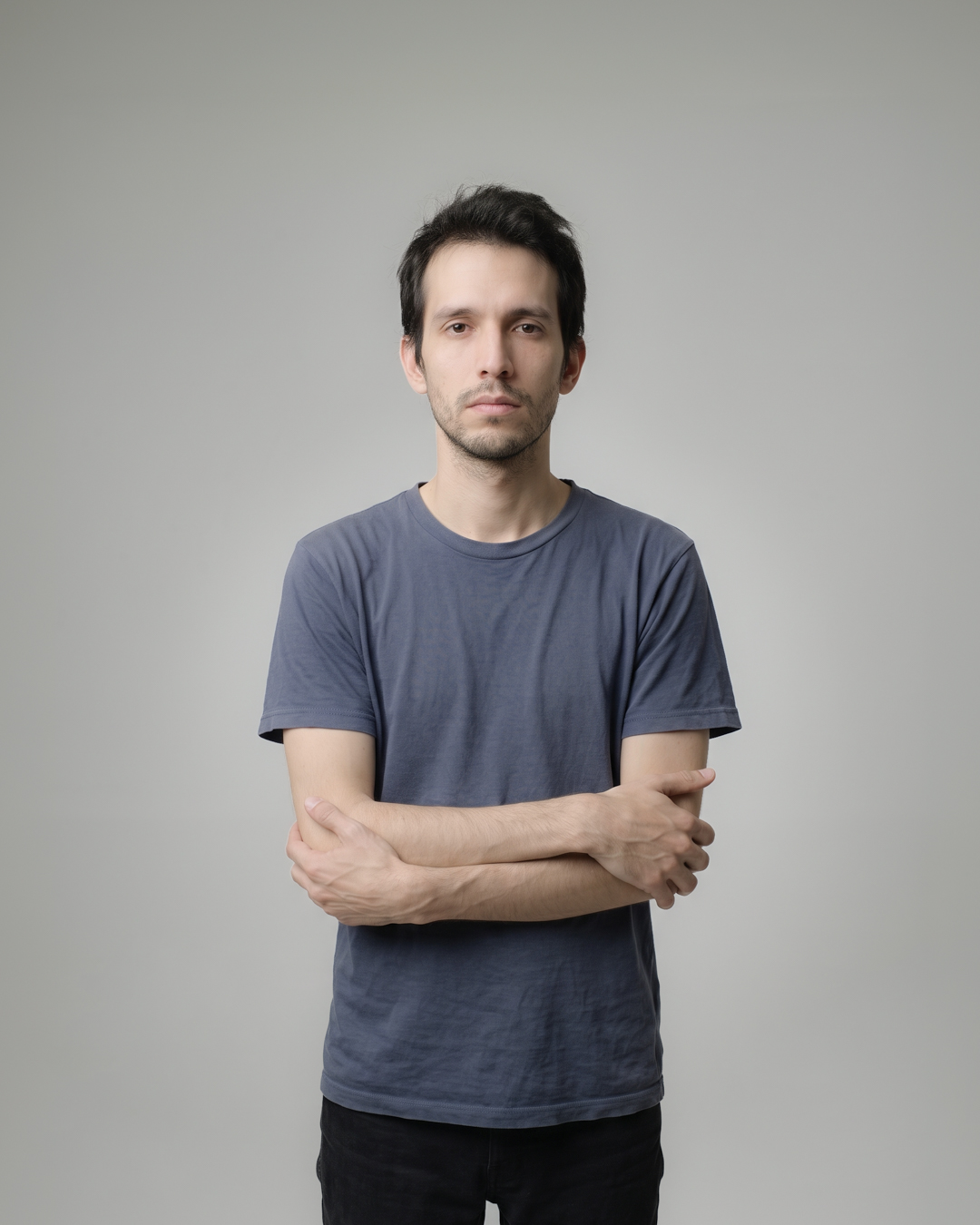
ベネズエラ・カラカス。かつて中産階級が住んでいた古びたアパートの一室。頻発する停電に備えた電源装置が、部屋の隅で低く唸っている。エアコンの壊れた蒸し暑い部屋で、ディエゴ・ロハス(29)は色褪せたTシャツのまま、モニターの青い光を眼鏡に反射させていた。
画面の中には、剣と魔法のファンタジー世界が広がっている。だがディエゴは冒険をしているわけではない。彼のキャラクターがいるのは、プレイヤー同士の殺し合いが許された無法地帯だ。安全な場所の資源は値がつかない。金になる鉱脈は、いつも殺されうる場所にしかない。だから彼は、危険な岩場で下を向き、同じテクスチャの鉱脈にひたすらツルハシを振り下ろす。カチン、カチン、カチン。マウスをクリックする単調な音が、十時間続く。
彼は大学で情報工学を学んだ優秀な若者だった。だが今の彼にとっての現実は、コードを書くことではなく、このデジタルな岩を一万回叩き割り、インベントリに仮想の金貨を貯めることだった。
|2|
画面の奥を、輝く鎧のプレイヤーたちが、巨大なドラゴンに乗って楽しげに通り過ぎていく。アメリカ、ヨーロッパ。彼らにとってこの空間は、仕事のあとに友人と過ごす余暇の遊び場だ。だがディエゴにとって、まったく同じ座標のこの空間は、過酷な工場である。彼はゲームの壮大な音楽をミュートにし、チャットも無視する。睨みつけているのは魔法の威力ではなく、一時間あたりの採掘効率と、背後から近づく足音だけだ。
このゲームでは、死ぬと、まだ金庫に預けていない金貨を全部失う。だから、輝く鎧の誰かが気まぐれに彼を斬れば、数日分の労働は文字どおり無に戻る。向こうにとっては退屈しのぎのスポーツ、こちらにとっては明日のパン。掲示板には、ベネズエラ人の見分け方と、効率のいい狩り方を書いた「攻略」まで出回っている。同じ空の下にいながら、両者の見ている世界は完全に断絶している。
|3|
深夜二時。ノルマの採掘量を達成したディエゴは、人通りの少ない路地裏で仲介業者のキャラクターと落ち合った。取引ウィンドウを開き、数千万の仮想ゴールドを渡す。数分後、スマートフォンが震え、暗号資産のウォレットに数ドル分のステーブルコイン(USDT)が振り込まれた。そのうち彼の手元に残るのは、さらにわずかな一部だ。
ディエゴはログアウトし、画面を落とす。明日、彼はこの暗号資産を闇市のグループチャットで換金し、高騰し続ける小麦粉と、母の高血圧の薬を買うだろう。国の通貨ボリバルがハイパーインフレでただの紙くずと化したこの国では、仮想空間のピクセルの金貨のほうが、現実の紙幣よりも遥かに安定した価値を持っている。ファンタジーの岩を叩いて現実の飢えをしのぐ——奇妙で切実なマジックリアリズムが、彼の日常だった。
|4|
ベネズエラの経済危機とハイパーインフレは、国の通貨の価値を完全に破壊した。ピーク時のインフレ率は年百万パーセントを超えた。その結果、医師やエンジニアといった高度な教育を受けた若者たちが、生き延びるためにオンラインゲームのゴールドファーマーへと転じるという特異な現象が起きた。『RuneScape』のようなMMORPGで流通する仮想ゴールドは、非公認のRMT市場を通じて事実上ドルと連動している。自国通貨が崩れても、仮想ゴールドの価値は先進国プレイヤーの需要に支えられて安定していたため、彼らは現実の通貨を捨て、仮想世界の通貨へ逃避した。
金になる採掘や狩りの多くは、プレイヤー同士の殺し合いが許された危険区域で行われた。そこで倒されれば、まだ預けていない成果は失われる。つまり、先進国のプレイヤーがベネズエラ人を一人斬ることは、その晩、誰かを空腹のまま眠らせることを意味した。海外の掲示板には、彼らを効率的に狩る方法を記した差別的な「指南書」が投稿され、扇動的な言葉が並んだ。まったく同じサーバーにログインしながら、一方は余暇としてドラゴンを狩り、もう一方は生存として同じ景色の中で岩を叩き、そして狩られる。デジタル・グローバリゼーションが生んだ、最も不可視で極端な経済格差の交差点である。
English
Ten hours a day, I break rock.
Ore, to be exact. Stone inside a screen, all the same texture. A click, and a number goes up a little. I repeat it a few thousand times a day. It isn't the fingers that die first — it's the wrist.
The good veins are almost always in the lawless zones. The rock in the safe places isn't worth anything. So I keep my head down and break stone in a place where someone can kill me.
I studied information engineering at university. I can write code, I understand server design. But in this country, my clicking speed is worth more than my degree. An engineer's monthly wage turns to wastepaper in a few days. Not as irony — just as a matter of exchange rates, that's how it is.
In the background, players in shining armor pass by. North America, maybe Europe. Riding dragons, laughing. For them this is the playground after work. I'm standing on the exact same coordinates. Under the same sky, I'm in a factory.
They don't see me. More precisely, they can't. To their eyes I'm not a person — I'm part of the scenery, or at best "an annoying bot warping the market." On the forums there are guides on how to kill us. How to spot a Venezuelan, how to hunt us efficiently. Very thorough.
In this game, when you die you lose all the gold you haven't banked yet. So when someone kills me, that day's work resets to zero. That night, my mother's bread gets a little smaller. They do it for sport. For me, it's a meal. Same action, same screen, entirely different meaning.
Late at night, once I've hit my quota, I meet a broker in an empty alley. I open the trade window, hand over tens of millions in gold. A while later my phone buzzes. A few dollars of USDT land in the wallet. What stays in my hands is a fraction of even that.
The next day I don't change it into bolívars. I change it into flour. Into my mother's blood-pressure medicine. Pixels from a fantasy hold their value better than my country's currency. An imaginary gold coin is more trustworthy than the paper the state prints. I suppose that's the part where you laugh. I can't laugh well anymore.
There was a time, I think, when I played this game as play. Probably. Afraid of the dragons, diving into caves with friends, forgetting the night was ending. Now I mute the music — it lowers efficiency. I don't read the chat — it doesn't pay. The world is the same, and yet, for me, it is no longer a world. It's the wallpaper of a workshop.
People ask me: isn't this an escape from reality? It's the opposite. For me, this is reality itself. If anything, it's my collapsing country that looks like the badly made fantasy.
I keep breaking rock. Click, click. This sound, maybe, is the only thing that doesn't lie.
|1|
Caracas, Venezuela. A room in an aging apartment where the middle class once lived. In the corner, a power unit kept against the frequent blackouts hums low. In the hot, airless room — the air conditioner broken — Diego Rojas (29) sits in a faded T-shirt, the monitor's blue light caught in his glasses.
On the screen, a fantasy world of swords and magic. But Diego isn't adventuring. His character stands in a lawless zone, an area where the game permits players to kill one another. Resources in the safe places are worth nothing. The veins that pay are always in the places where you can be killed. So he keeps his head down in the dangerous rock field and drives his pick into the same-textured vein, over and over. Click, click, click. The flat sound of the mouse goes on for ten hours.
He was a bright young man who studied information engineering at university. But his reality now isn't writing code — it's breaking this digital rock ten thousand times and stacking virtual gold in his inventory.
|2|
In the background, players in shining armor ride giant dragons past him, cheerful. America, Europe. For them this space is a playground, somewhere to spend leisure with friends after work. For Diego, the very same coordinates are a brutal factory. He mutes the game's grand score, ignores the chat. What he watches isn't the power of a spell — it's his gold-per-hour, and the footsteps closing in from behind.
In this game, when you die you lose all the gold you haven't yet banked. So if one of those armored players cuts him down on a whim, days of labor reset, literally, to nothing. For them, a bit of sport against the boredom; for him, tomorrow's bread. On the forums there are even guides — how to spot a Venezuelan, how to hunt them efficiently. Logged in under the same sky, the two of them see completely severed worlds.
|3|
2 a.m. Having hit his mining quota, Diego meets a broker's character in a quiet back alley. He opens the trade window and hands over tens of millions in virtual gold. Minutes later his phone buzzes: a few dollars of stablecoin (USDT) arrive in a crypto wallet. Of that, only a smaller fraction will stay in his hands.
Diego logs out and kills the screen. Tomorrow he'll exchange the crypto in a black-market group chat and buy ever-pricier flour and his mother's blood-pressure medicine. In a country where the bolívar has become wastepaper through hyperinflation, a pixel of gold from a virtual world holds far more stable value than the nation's own banknotes. Beating fantasy rock to hold off real hunger — a strange, urgent magic realism was his everyday.
|4|
Venezuela's economic crisis and hyperinflation destroyed the value of the national currency entirely; at its peak the annual inflation rate exceeded a million percent. As a result, a singular phenomenon emerged: highly educated young people — doctors, engineers — turning to gold farming in online games to survive. The virtual gold circulating in MMORPGs like RuneScape is, through unofficial real-money-trade markets, effectively pegged to the dollar. Even as the real economy collapsed, virtual gold held its value on the demand of players in wealthier countries, so they abandoned their own currency and fled into the currency of a virtual world.
Much of the mining and hunting that paid took place in danger zones where players were permitted to kill one another. Fall there, and whatever you haven't banked is lost. In other words, for a player from a wealthy country, cutting down a single Venezuelan meant sending someone to bed hungry that night. On overseas forums, discriminatory "guides" on how to hunt them efficiently were posted, trailed by inflammatory comments. Logged into the very same server, one side hunts dragons as leisure while the other breaks rock as survival in the same landscape — and is hunted. It is the most invisible, most extreme intersection of economic inequality that digital globalization has produced.
日本語本作に登場する人物・語りは、実在の個人に基づいたものではありません。設定・描写にあたっては、人物の文化背景、言語、歴史、現在の社会状況について文献・記録・当事者の語り等を調査し、それらをもとに構成・再構成し、物語として描いています。ただし、たとえ綿密なリサーチをもとにしていても、"他者の声を仮構すること"には構造的な危うさがあると私は考えています。この作品は、その危うさごと提出するための試みです。
EnglishThe characters and narratives presented here are not based on any real individuals.The setting and depiction are constructed and restructured through research into cultural backgrounds, languages, histories, and contemporary conditions—including archival sources and first-person accounts—and are rendered here as a narrative.However, even when grounded in careful research, I believe that fictionalizing the voice of another carries inherent structural risk.This piece is an attempt to present that risk itself—openly and with accountability.