.webp)


.png)


The Unchosen
ポートレート・シリーズに捧げる
(English follows below)
A written reflection
かつて、書こうとしていた。
街に出て、風の匂いを紙面に閉じ込めるような記事を書きたかった。
インタビューの言葉を拾い上げ、構成して、
知らない誰かの一日を、誰かに伝える——そんな仕事を夢見ていた。
……でも今、わたしは何も書いていない。
字幕の句読点を調整しながら、
この語尾は強すぎないか、と自問する。
名もなき作業員として、編集室の光の下で、
「どう読まれるか」だけを整えている。
——誰が語ったかは、もう重要じゃない。
わたしが語らなくなったことも、きっと、そういうふうに見える。
2019年、雨傘の後、
街に出なかったことを悔やんでいるわけじゃない。
ただ、あのとき高架橋の向こうで揺れていた黄色い傘のかたちは、
今もときどき、まぶたの裏に浮かぶ。
それだけだ。
語らないことは、思考の放棄じゃない。
むしろ、言葉にしてしまえば壊れる何かが、
身体の深いところに沈んでいくのを、
ただ、見届けてきただけ。
ナイロンのジャケットを羽織って、無言のまま出勤する。
誰とも目を合わさずに、地下鉄の車両に滑り込む。
改札を抜けたあと、濡れてもいない傘を持ったまま、
家までの坂道を、音もなく歩く。
見られていることには、もう慣れた。
けれど、その視線に何かを返すつもりは、もうない。
……わたしは、この選択を、ほんとうに信じているだろうか?
わたしは、声を出さずにここにいる。
それだけが、わたしに残された選択だった。
1|都市のなかに沈黙を折りたたむ
Lau Hoi-yan(劉 凱欣)は、語らなかった。
否、語れなかったのではない。語らないという選択を、自分の輪郭として選んだ。
香港・沙田区出身。九龍に住みながら、いま彼女は記名のない仕事をしている。
ローカルメディアの編集補助。映像に字幕をつけ、資料を整理し、誰かの語りを整える立場。
だが、彼女自身が「語る側」に立つことはもうない。
大学時代、彼女はジャーナリストを目指していた。
けれど2019年以降、彼女は“言葉が記録されること”に怯えるようになった。
国家安全法が施行されたこの都市で、「記録」は、いつからか“証拠”になった。
だから彼女は、画面の外側にとどまることを選んだ。
傘をたたみ、声をたたみ、ただ編集点の裏で仕事を続けている。
2|語らないことは、語ることより難しい
都市のなかで、彼女の存在は静かすぎて見落とされる。
だがその静けさは、決して“消極”ではない。
むしろ――
沈黙のなかでとどまるために、彼女は語らない。
このシリーズにおいて、彼女のような存在は“選ばれなかった顔”ではない。
むしろ、「構造に取り込まれすぎた顔」だ。
見る/見られるの関係に組み込まれ、カメラの外に立ち、
ただ都市の呼吸のなかに自分を薄く混ぜていく。
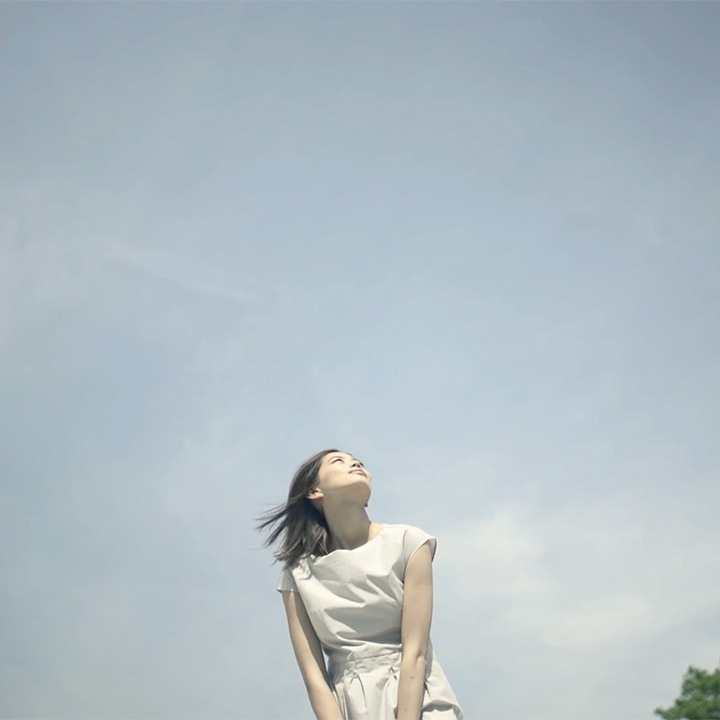
彼女の目線は、カメラを見ない。
顔を逸らすでも、抗うでもなく、
ただ——「語らないままでいること」を選び続けている。
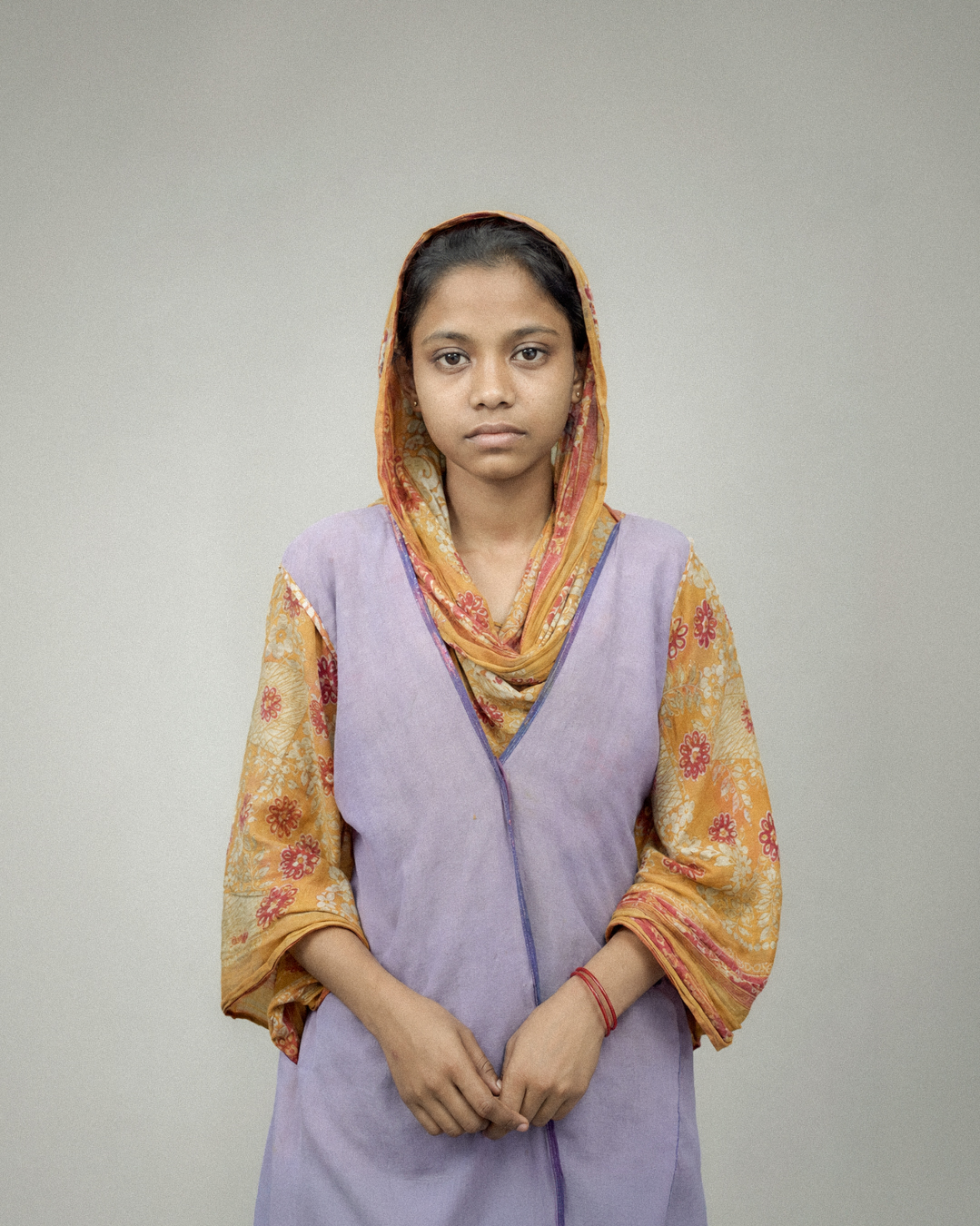
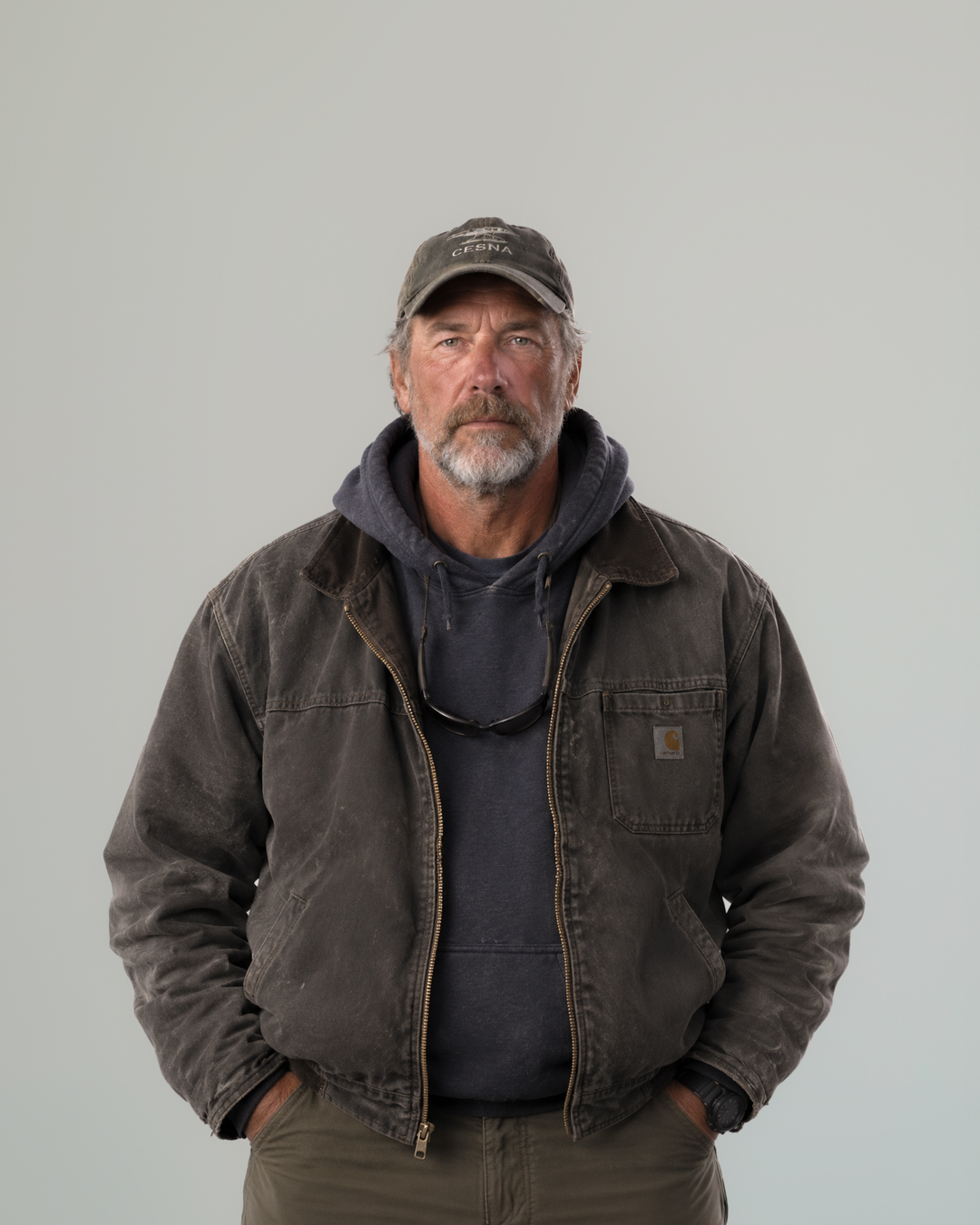
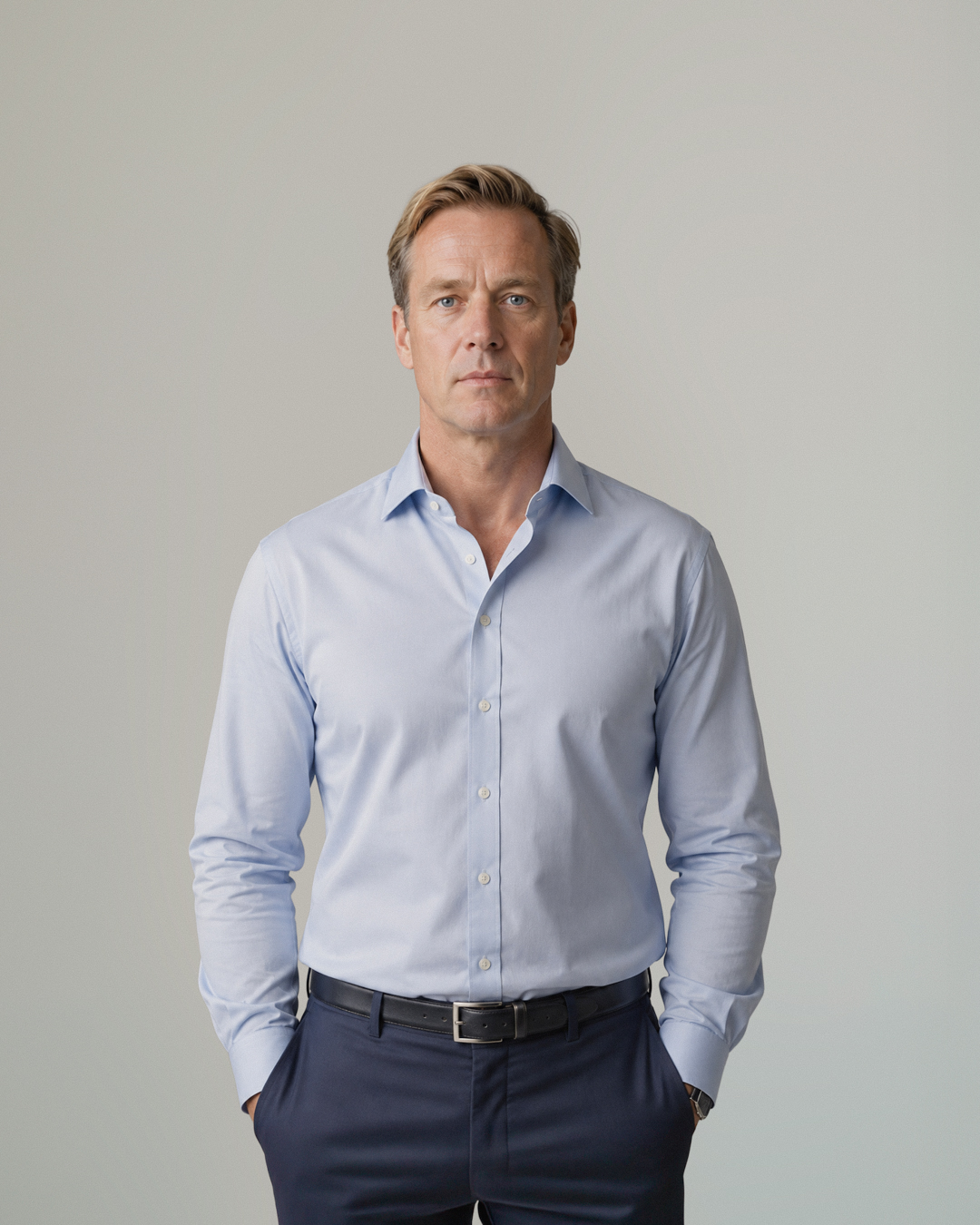
The Unchosen
Dedicated to the portrait series
N.14 – The decision not to speak
A written reflection
Once, I wanted to write.
I dreamed of capturing the scent of the street and pressing it into newsprint.
Of interviewing strangers, shaping their voices into form,
and delivering one person’s day to another’s eyes.
...But now, I don’t write at all.
I spend my days adjusting punctuation in subtitles,
asking myself if this ending feels too sharp.
In the quiet of the editing room,
my hands work invisibly,
tuning not what is said, but how it’s received.
—Who speaks no longer matters.
And perhaps, neither does the fact that I’ve stopped speaking.
Since 2019, after the umbrellas,
I haven’t stepped out into the streets.
I don’t regret that.
But sometimes, the shape of a yellow umbrella swaying beyond the overpass
still flashes behind my eyelids.
That’s all.
Silence isn’t surrender.
If anything, it’s where the things I can’t say
sink quietly into the body—
too fragile to survive the weight of words.
I leave the house in a black nylon jacket,
avoid eye contact in the elevator,
hold a dry, folded umbrella in my hand
as I walk home through the turnstiles and uphill streets.
I know I’m being seen.
But I no longer intend to respond.
...Do I truly believe in this choice I’ve made?
I remain here, without a voice.
That, alone, is the only choice I have left.
1|Folding silence into the city
Lau Hoi-yan didn’t speak.
Not because she couldn’t—
but because she chose not to.
Silence, for her, became a way to shape her outline.
Born in Sha Tin, now living alone in Kowloon.
She works behind the scenes at a local media outlet.
She adds subtitles, organizes archives, edits what others have said.
But she herself no longer stands on the speaking side.
At university, she had wanted to become a journalist.
But after 2019, she began to fear what it meant to have her words recorded.
In a city where the National Security Law has taken hold,
to be “on the record” is to become a record—to be held, later, as proof.
So she stepped out of the frame.
Closed her umbrella.
Folded her voice.
And continued working, silently, in the cuts between scenes.
2|Not speaking is harder than speaking
In this city, she’s quiet enough to be overlooked.
But her silence is not absence.
It is not passivity.
It is a choice—to remain, without sound.
In this series, she is not an “unchosen” face.
She is a face too fully absorbed into the structure.
Seen, but not seeing back.
Positioned outside the frame,
her presence dissolves into the city’s breath.
She does not meet the camera’s gaze.
She does not look away,
nor does she resist.
She simply—chooses to stay unspeaking.