.webp)


.png)


The Unchosen ポートレート・シリーズに捧ぐ
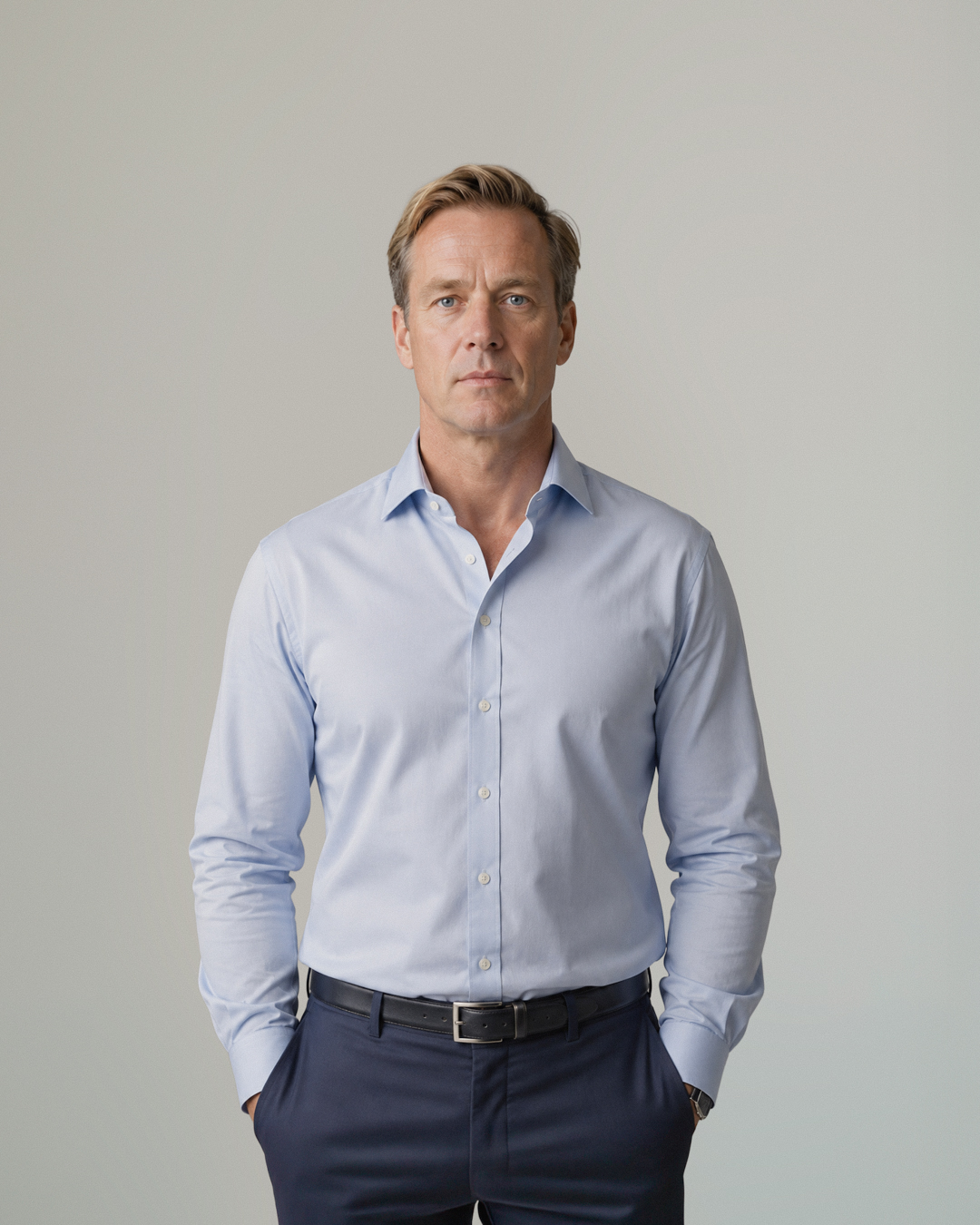
N.47 – 宮原 昭信 (Akinobu Miyahara)
English follows below
■静かに消える背中に
今朝、コーヒーを買いに行く途中で聞いた。
「〇〇さん、今月で退職だってさ」
まるで天気の話みたいに、軽く、さらっと。
この会社で三十年近くを過ごした人間の終わりが、缶コーヒーのプルタブを引く音よりも軽かった。
ひとつ下の後輩がそう呟いた時、俺はただ「へえ」と言った。
——それだけだった。
同期。
とはいえ、昼を一緒に食べるような関係ではなかったし、休日に連絡を取ることもなかった。
けれど、隣のデスクでため息をつく気配とか、会議の後に無言でうなずく顔とか、そういうものは妙に覚えている。
だって、あいつは“俺たち側の人間”だったから。
出世欲は人並みにある。でもそれを表に出さない。
会議では口数少なく、でも本質を突く。
怒らず、騒がず、でも必要なときは手を動かす。
——そういうやつだった。
いや、正確には。
そういう「ふり」をしてここまでやってきた、俺たち全員の代表みたいなやつだった。
就職氷河期にすべり込んで、配属ガチャに一喜一憂して、誰にも期待されずに「とりあえずやってみるか」で始まったキャリア。
バブルの残り香に顔をしかめながら、派閥も組織戦略も上手く泳げないまま、地味に、でも確実に毎年を乗り切ってきた。
家族もいる。
住宅ローンもある。
医療保険の明細を見て、老後を想像することもある。
だけど、毎日の業務に“意味”なんてないことも、もうずっと前から知っている。
それでも、ここにいた。
ただ、いた。
だからこそ、彼の退職は胸に刺さる。
「誰かが残らなきゃいけないゲーム」で、また一人、駒が消えたような気がする。
送別会はない。
メールもない。
業務の引き継ぎが静かに終わるだけ。
でも俺は、あの人の最後の朝の背中を忘れないと思う。
廊下を歩く足音。
エレベーターのドアが閉まるまでの、無音。
そして、俺は明日もいつも通り出社して、また聞かれたことだけに答える。
それが、俺たちの“やり方”だったから。
……でも、いつまで、だろうな。
自分の番が来たとき、俺はこんなふうに去れるだろうか。
誰の記憶にも重たくならず、ただ静かに、軽やかに。
月は今日も昇っている。
何も変わらない顔をして。
|1|「退路を見ながら立ち続ける」
宮原昭信は52歳。中堅の電子部品専門商社に勤務し、現在は事業開発部の部長を務めている。静かな声と無駄のない動き、過剰な感情表現を避ける話し方。それらはすべて、氷河期世代としての“生き残り方”の結果だった。
長野県の地方都市で育ち、厳格な教員の父と、家を守る母のもとで教育を重んじられて育った。高校までは地元の進学校。大学進学を機に上京し、東京の有名私立大学の文系学部に進んだ。
しかし卒業時期は、いわゆる“就職氷河期”の真っただ中。バブル崩壊後の景気後退が長引き、企業は採用を一斉に抑制。就職活動で落ち続けるなか、「大卒=安定」という前提が音を立てて崩れていった。
最終的に拾ってくれたのが今の会社だった。創業から年数が経ち、安定感はあるが、華やかさとは無縁の商社だった。
新卒で入社して以来、30年間その会社に残っている。昇進は早くはなかった。同期の中には転職して大手に移った者や、ベンチャーで成功した者もいた。だが彼は一度も外に出なかった。転職すれば再び“門前払い”にあう不安が拭えなかった。
社内では、派閥にも属さず、社内政治にも深入りしない。だがそのぶん、地味で見落とされがちな連携や数字の調整を、誰よりも正確にこなす存在として、知らぬ間に信頼を積み上げた。
「聞かれたことしか答えないが、誰よりも情報を持っている」。社内では、そう言われる。口数の少なさも、理解の早さも、全ては“ミスしないため”に身につけた技術だった。
|2|「話せば済むことばかりじゃない」
宮原の一日は、出社前から始まっている。朝5時半に起き、家族より早く身支度を済ませ、7時には電車に乗る。始業は9時だが、社内には8時前に着いている。早朝の静かな時間に、メールをさばき、昨日の資料を見返し、会議室の予約状況を確認する。誰かに言われなくてもやる。そうでなければ「先に気づけただろう」と言われるからだ。
上司は60代前半、いわゆるバブル世代。根性論と付き合い酒でのし上がってきたタイプで、時代が変わった今も「俺たちの頃は…」を繰り返す。部下のミスには容赦なく、報告書の誤字脱字ひとつで大声をあげることもある。だが本人には、その強圧が“昭和的な愛情”の延長にあると信じて疑わない節がある。
一方、30代以下の部下たちは、決して表立って反論はしないが、明らかに距離をとる。対面で注意すれば、あとで「圧が強い」「詰められた」と言われかねない。社内の連絡も、最近はグループウェアのMicrosoft Teams。電話を取らず、テキストで済ませる若手が増えた。
「それ、口頭で言われるとメンタルにくるんで……」 「この件、チャットでいただけますか?」
その言葉の奥にある“触れてはいけない境界線”を、日々読み取るのが彼の仕事になっている。
宮原は、そうした変化を咎めることはない。ただ、自分の時代とは違うということを受け入れて、会議の温度、沈黙の長さ、発言の順番に注意を払う。上司の語気が強くなれば、議題を飛ばす。部下が萎縮していれば、意見を求めずに資料に戻る。
「話せば伝わる」ではなく、「話さずに保つ」こと。 それが、いまの組織を支える術だと知っている。
家庭に帰ると、声の調子は少しだけ緩む。子どもの学校や進路の話にはきちんと耳を傾け、妻とも適度に会話を交わす。だが、会社での悩みや葛藤を持ち込むことはない。
それは、話したところで何も変わらないからではない。 話すことで、自分の中で崩れてしまうのが怖いからだ。
|3|「失われた世代」のなかで、沈黙を武器にして」
1990年代後半、日本は「失われた10年」のただなかにあった。バブル崩壊後の長引く不況により、企業は新卒採用を一斉に抑制。いわゆる“就職氷河期”である。
この時代、特に1970年代前半生まれの層は、“努力しても報われない現実”を社会の入口で叩き込まれた世代だった。大学を出ても内定が出ない。非正規で働き続けるうちに履歴書に空白ができ、さらに雇われにくくなる。
宮原はその渦中にいた。最終的に正社員になれたことは“勝ち組”のように見えるかもしれない。だが、彼にとっては“ギリギリで弾かれなかっただけ”という感覚の方が近い。
会社に入ってからも未来は約束されていなかった。バブル世代の上司たちは、今の基準では到底許されないようなブラックな働き方を当然とし、ハラスメントという概念すら言語化されていない時代だった。
時代が変わり、今度は30代以下の部下たちが、コンプライアンス意識を当然のように持つようになる。少しでも言い方を間違えれば「パワハラ」と言われ、ネットで炎上する時代。
そのはざまで、宮原は30年近く立ち続けてきた。 上司には過剰な成果を求められ、部下には合理性と尊重を求められ、経営からは沈黙のまま期待を押しつけられる。
板挟みになっても、誰かの代わりに謝り、黙って尻拭いをしてきた。
彼の調整力がなければ崩れていた会議、揉めていたプロジェクト、辞めていた部下たちがある。
彼は、語らない。 意味を問わない。 だが、沈黙と観察によって築かれた30年が、組織の底を静かに支えている。

The Unchosen Portrait Series
Title | The Art of Silence, and the Thirty Years Within
Dedicated to N.47 – Akinobu Miyahara
■ The Back That Quietly Disappeared
This morning, on my way to get coffee, I heard it.
“Did you hear? He’s retiring at the end of the month.”
Said like you’d mention the weather—lightly, casually.
The end of nearly thirty years at this company, uttered with less weight than the click of a coffee can opening.
A junior, one year below me, said it offhand.
All I managed was a quiet “Oh.”
——That was it.
A colleague from my cohort.
Not someone I ate lunch with, or kept in touch with on weekends.
But I remember the sighs from the next desk, the silent nods after meetings—oddly vividly.
Because he was one of us.
Ambitious, sure. But he kept it buried.
Spoke little in meetings, but always hit the core.
Didn’t shout, didn’t boast—just did what needed to be done.
——That kind of guy.
No, to be precise—he was the kind of guy who pretended to be that way, just like the rest of us.
The perfect embodiment of our generation.
We squeezed into the workforce during the employment ice age, clinging to whatever placements we got.
No one expected much from us, so we just said, “Might as well try,” and started from there.
Nostalgia for the bubble days lingered in the air, and we never quite learned how to swim in company politics.
We weren’t flashy—but we made it through, year by year.
We have families.
Mortgages.
Medical statements that make us think about retirement.
And we’ve known, for a long time, that our daily work carries no grand meaning.
Still, we stayed.
Just… stayed.
That’s why his departure stings.
Like watching another piece vanish in a game where someone has to remain standing.
No farewell party.
No goodbye email.
Just a quiet handover, and that’s it.
But I won’t forget his final morning.
The sound of his steps in the corridor.
The silence before the elevator doors closed.
Tomorrow, I’ll go to work like always, and answer only what’s asked of me.
That’s how we’ve survived this long.
……But for how much longer?
When my time comes, will I be able to leave the same way?
Not weighing on anyone’s memory—just quietly, lightly.
The moon rises again tonight.
Wearing the same unchanging face.
|1|Standing While Watching the Exit
Akinobu Miyahara, 52, is the head of business development at a mid-sized electronics trading company. His quiet voice, efficient movements, and deliberate avoidance of emotional expression are not mere personality traits—they are the product of surviving the “Lost Generation.”
He grew up in Matsumoto, a local city in Nagano Prefecture, raised in a family that valued education. His father was a strict schoolteacher, his mother a homemaker. After graduating from a top public high school, he moved to Tokyo to attend a well-known private university.
But upon graduation, Japan was in the midst of the “employment ice age.” The burst of the economic bubble led to mass hiring freezes, and the assumption that a college degree guaranteed stability collapsed.
The company that finally hired him was neither glamorous nor fast-growing—but it was stable. He’s been there ever since. While his peers moved on to prestigious firms or launched successful ventures, Miyahara stayed. The fear of rejection in the job market never left him.
He avoided company cliques and politics. But he excelled in quiet, overlooked tasks: coordinating departments, reconciling numbers. Slowly, silently, trust accumulated.
“He only answers what he's asked, but he knows more than anyone.” That’s what people say. His silence and speed of understanding are tools honed not for brilliance, but to avoid mistakes.
|2|Not Everything Can Be Talked Out
Miyahara’s day begins before sunrise. He wakes at 5:30, gets dressed before his family, and catches the 7:00 train. Though work starts at 9:00, he’s at his desk by 8:00, handling emails, revisiting documents, and checking room bookings.
His boss is in his 60s—a “bubble generation” executive. Raised on booze-fueled bonding and brute force, he still blurts out “Back in our day...” in meetings. He shouts at typos and mistakes. To him, this aggression is just “tough love.”
Meanwhile, subordinates in their 30s and younger rarely speak up but keep their distance. Criticism is received as “too intense.” Internal communication has moved to Microsoft Teams. More and more, the young avoid calls and prefer text.
“That kind of tone hits my mental health...” “Can you send that by chat, please?”
Miyahara doesn’t resist these changes. He reads the unspoken boundaries. If tension rises, he changes the topic. If someone shrinks back, he redirects to a document.
It's not about “saying it right.” It’s about “preserving the room by saying nothing.” That, he’s learned, is how organizations survive now.
At home, his voice softens. He listens to his kids talk about school, chats casually with his wife. But he never brings work frustrations home.
Not because nothing would change—but because speaking might cause him to fall apart.
|3|The Lost Generation and the Discipline of Silence
In the late 1990s, Japan entered its “Lost Decade.” Companies froze hiring en masse. The “Employment Ice Age” began.
Those born in the early 1970s were its core victims. Even with college degrees, jobs were elusive. Temporary work created resume gaps, which only deepened rejection.
Miyahara barely made it in. Some may call him lucky, even “a winner.” But to him, it felt like barely escaping exclusion.
Once inside, nothing was guaranteed. His superiors, the bubble-era elite, operated under now-unacceptable labor norms. Harassment was unnamed, unaddressed.
Now, his juniors expect compliance, sensitivity, equity. One slip in tone, and accusations of abuse go viral.
For nearly 30 years, Miyahara has stood between these worlds—tasked with outcomes by bosses, respect by juniors, and silence by executives.
He absorbs blame, puts out fires, says nothing. There are meetings that didn’t collapse because of him, projects that didn't fail, people who didn’t quit.
He doesn’t explain himself. He doesn’t seek meaning.
But the 30 years built from silence and awareness—hold up the floor of the company.