.webp)


.png)


The Unchosen|N.61 Amir Jalil
(English version below / 日本語訳は下部にあります)
|1|語らない、という選択ではなかった
Amir Jalilは語らなかった。
けれど、それは選んだことではない。
彼は「語らせられる」のが怖かっただけだ。
正確には、“正しく語れなかったとき”に起きることが、すでに身体に染みついている。
23歳。スウェーデン・マルメ、ロセングォードの団地に暮らす。
避難民としてこの国に来たのは、彼が5歳のころ。
母はスウェーデン語を話さない。父は何年も前にいなくなった。
家ではアラビア語。社会ではスウェーデン語。
境界を超えるたび、言葉の調子も、呼吸の深さも変わっていく。
IT職業訓練校を出て、今は物流会社のヘルプデスクにいる。
契約社員。昇給はなく、正社員の話があっても信じていない。
けれど、誰にも迷惑はかけていない。
それだけは、言える。
|2|見られる、という形の孤立
Amirは、夜に出歩かない。
近所では暴力も薬もある。警察に呼び止められたことも何度かある。
でも、理由を問うことはしない。
それが、この場所のルールだと知っているから。
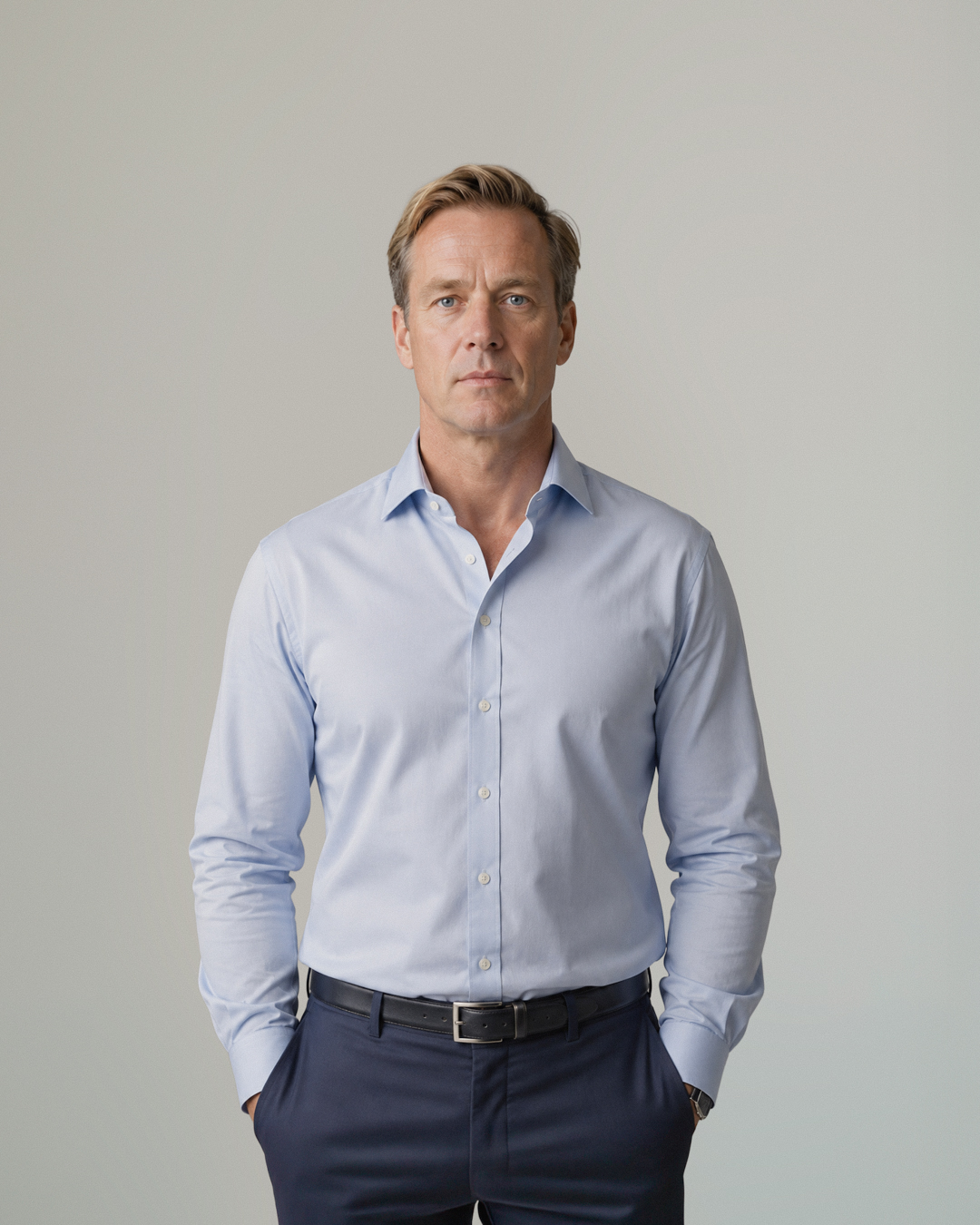
黒のパファージャケット、スウェット、スニーカー。
数年前のセール品ばかりだが、街では「危なく見える」と言われることがある。
写真は苦手だ。「それが何になる?」と思う。
それでも、自分が他人の目にどう映っているかは、いつも気にしてしまう。
誰かの希望になるわけじゃない。
でも、誰の敵にもなりたくない。
そのあいだで、ただ、働いている。
|3|“移民”であるという構造──スウェーデンの中で
スウェーデンは、EUでも最も移民を多く受け入れてきた国のひとつだ。
とくに2015年以降、中東やアフリカからの庇護申請者が急増し、
マルメやストックホルム郊外の一部地区では、住民の大多数が移民系となっている。
マルメ市のロセングォード地区は、その象徴的な場所だ。
1960〜70年代に建設された高層住宅に、多くの難民・低所得者層が集まる。
教育・雇用・治安・言語の課題が複雑に絡み合い、
スウェーデン社会では「周縁化された空間」として、しばしば報道や政治論争の焦点となっている。
Amirはそこにいる。
生まれた国を知らない若者として、
“移民”としてラベル化されながらも、社会を回している一人として。
スウェーデン語を話し、税金を納め、システムの一部として機能しているのに、
彼は“説明されない側”ではなく、“常に説明される側”に立たされてきた。
彼の沈黙は、防衛ではない。
「語られる前に黙る」ことしか許されてこなかった場所で生きてきた結果だ。
▍話さなかったのは、選択ではなかった
プリンターが、また詰まった。
今日で3回目だ。アーミルは倉庫オフィスの隅にある自分の机から立ち上がり、プリンターの横のパネルを開けて、くしゃくしゃになった紙をそっと取り出した。この作業には、慣れすぎている。 この仕事自体が、ひとつの繰り返しだ。リセットして、対応して、消える。
倉庫の作業員のほとんどは、彼の名前を知らない。 「ITのやつ」と呼ばれることが多い。それが彼の全てのように。
でも、それでいい。名前がなければ、質問も少ない。
誰かに聞かれて、それに間違った答え方をしたら──いや、答えられなかったら── 何が起こるか、彼の身体はすでに知っている。
彼は早くから学んだ。「出身はどこ?」というのは、好奇心じゃない。 試されているのだ。 だから、ときに沈黙だけが、自分を守る唯一の答えになる。
23歳のアーミルは、マルメのロセングォードにある高層住宅で、母と弟と暮らしている。 父は何年も前に家を出て、戻ってこない。 母はいまもスウェーデン語を話さない。 だからアーミルが、病院でも、役所でも、職業センターでも、彼女の代わりに話す。 通訳というのは、単なる言葉の置き換えではない。 意味と力と立場の交渉そのものだ。
仕事では、目立たないようにしている。 黒のパファージャケットに、グレーのフーディー。擦れたスニーカー。 それがどう見えるか、彼はよくわかっている。 言葉を発する前に、人がどう見るかも。
自撮りはしない。SNSにも載せない。 恥ずかしいからじゃない。「それで何が変わる?」と思うだけ。
彼は、なんとかやっている。 税金も払っている。問題も起こしていない。
誰かの希望になれるわけじゃない。 でも、誰かの敵にもなりたくない。
そのあいだで、ただ、働いている。
でも、移住して何年経っても、この国の中で「いる人」と「機能しているだけの人」の違いは、はっきりしている。
アーミルはスウェーデン語を完璧に話す。 職業訓練を修了した。PDFを開けない同僚を助け、会社の古いメールシステムを管理している。
だけど彼は知っている。 自分が、常に“別の階層”に置かれていることを。 契約だけ。昇給はなし。昇格の話はあるが、紙には残らない。
期待なんて、していない。
スウェーデンは、自分たちが中立で、公正で、先進的だと思っている。 そして実際、多くの点でそうだ。
彼はもっと悪い状況にもいたかもしれない。 それも理解している。
でも、彼にはわかる。 安全と、包摂は、違うのだ。
ロセングォードでは、遊び場にフェンスが設置され、照明が増えた。 でも、子どもたちが本当に必要としていることは、誰も聞いていない。
街では、「統合」「社会的結束」「機会」といった言葉があふれる。 でも彼には、それらは招待ではなく、“指示”のように聞こえる。
アーミルは怒っているわけじゃない。 少なくとも、はっきりとは。
ただ、疲れている。 働いている。 そして、見ている。
彼があまり話さないのは、話したくないからではない。 沈黙だけが許された唯一の場所だった──そんな世界で生きてきたからだ。
でも、プリンターがまた詰まって、誰もそれに気づかず、彼だけが修理しているとき。
ふと思う。
誰にも聞かれない物語は、本当に“あったこと”になるんだろうか?
そして──誰か、それを気にするだろうか?
Dedicated to The Unchosen portrait series
N.61 – Amir Jalil
|1|He didn’t choose silence. It chose him.
Amir Jalil didn’t speak.
But it wasn’t by choice.
He was just afraid of being asked to explain.
More precisely, he knew what would happen if he failed to explain himself properly—and that memory had settled into his body.
He’s 23, living in Rosengård, a housing project in Malmö.
He arrived in Sweden at age five, fleeing with his family from southern Iraq.
His mother doesn’t speak Swedish. His father disappeared years ago.
At home it’s Arabic; outside, it’s Swedish.
Each switch changes the way he breathes.
He finished a two-year vocational course in IT.
Now he works at a logistics company, maintaining internal systems.
He’s on contract. No raises. No real promises.
But he isn’t causing trouble.
That, at least, he can say.
|2|To be seen is a form of isolation
Amir doesn’t go out at night.
The neighborhood sees violence, drugs, and the kind of silence that doesn’t ask for help.
He’s been stopped by the police a few times.
He doesn’t ask why.
That’s just how this place works.
A black Nike puffer, hoodie, old sneakers.
All bought on sale years ago.
But people sometimes say he “looks dangerous.”
He doesn’t like photos. “What’s the point?” he says.
Still, he’s always aware of how he’s being seen.
He doesn’t want to inspire anyone.
He just doesn’t want to be the enemy.
So he works.
That’s all.
|3|Being a migrant—inside Sweden
Sweden has one of the highest rates of asylum intake in the EU.
Since 2015, applications from the Middle East and Africa have surged,
and districts like Rosengård in Malmö have become largely migrant-populated.
Rosengård is a known name.
Built in the 60s and 70s as modern housing,
it now concentrates many of Sweden’s social pressures:
unemployment, undereducation, underfunded services, and public distrust.
Amir lives there.
Not as someone “from somewhere else,”
but as someone who has never known another country.
Yet he is always explained.
He is not someone left outside the narrative—
he is someone constantly narrated by others.
He pays taxes. He speaks Swedish. He contributes.
But in the system, he is still the one who must be explained.
His silence is not defiance.
It’s what happens when the only way to survive is to say nothing before they say everything for you.
Not Speaking Was Never a Choice
The printer jammed again.
Third time today. Amir stood up from his desk in the corner of the warehouse office, walked over to the machine, opened the side panel, and carefully pulled out the crumpled paper. He knew this routine better than he liked. The whole job was a routine: reset, respond, disappear.
Most of the warehouse workers didn’t know his name. Some just called him "IT," as if that were his full identity.
But that was fine. No name meant fewer questions.
Because if someone asked, and he answered wrong—or worse, didn’t know how to answer—things could get complicated.
He learned that early. That being asked where you're from isn’t curiosity—it’s a test. And sometimes, silence is the only answer that doesn’t backfire.
At 23, Amir lives with his mother and younger brother in a Rosengård high-rise. His father left years ago. His mother still doesn’t speak Swedish. So Amir speaks for her—at clinics, government offices, the job center. Translations aren’t just words. They’re entire negotiations of meaning, power, and position.
At work, he blends in. Mostly. Black puffer jacket. Grey hoodie. Scuffed sneakers. He knows how that looks. He knows what people see before he opens his mouth.
He doesn’t take selfies. Doesn’t post. Not because he’s shy, but because, “What would it prove?”
He gets by. Pays taxes. Doesn’t cause trouble. He’s not someone’s hope, and he’s trying not to be anyone’s threat either.
Still, even now, years after they arrived, it’s clear who belongs and who’s merely functioning.
Amir speaks Swedish. Perfectly. He graduated from a vocational IT course. He helps colleagues who can’t open a PDF. He manages the company’s outdated email system. But he knows he’s always on a different tier. Contract only. No raise. Talk of promotion, but nothing written down.
And he’s not holding his breath.
Sweden likes to believe it’s neutral, fair, modern. And in many ways, it is. He could be worse off. He knows that. But he also knows the difference between safety and inclusion.
In Rosengård, they build fences around playgrounds and install more lights. They don’t ask what the kids actually need.
In the city, he hears words like “integration,” “cohesion,” “opportunity.” But to him, those sound more like instructions than invitations.
Amir’s not angry. Not exactly. He’s tired. He’s working. And he’s aware.
He doesn’t speak much, not because he won’t—but because he learned that sometimes, silence is the only space you’re allowed to have.
But on some days, when the printer jams and everyone is too busy to notice him fixing it again, he wonders:
If no one ever hears your story, did it really happen?
And more importantly—does anyone care?
本作に登場する人物・語りは、実在の個人に基づいたものではありません。
設定・描写にあたっては、人物の文化背景、言語、歴史、現在の社会状況について文献・記録・当事者の語り等を調査し、
それらをもとに構成・再構成し、物語として描いています。
ただし、たとえ綿密なリサーチをもとにしていても、“他者の声を仮構すること”には構造的な危うさがあると私は考えています。
この作品は、その危うさごと提出するための試みです。
he characters and narratives presented here are not based on any real individuals.
The setting and depiction are constructed and restructured through research into cultural backgrounds, languages, histories, and contemporary conditions—
including archival sources and first-person accounts—
and are rendered here as a narrative.
However, even when grounded in careful research, I believe that fictionalizing the voice of another carries inherent structural risk.
This piece is an attempt to present that risk itself—openly and with accountability.