.webp)


.png)


The Unchosen に捧ぐ
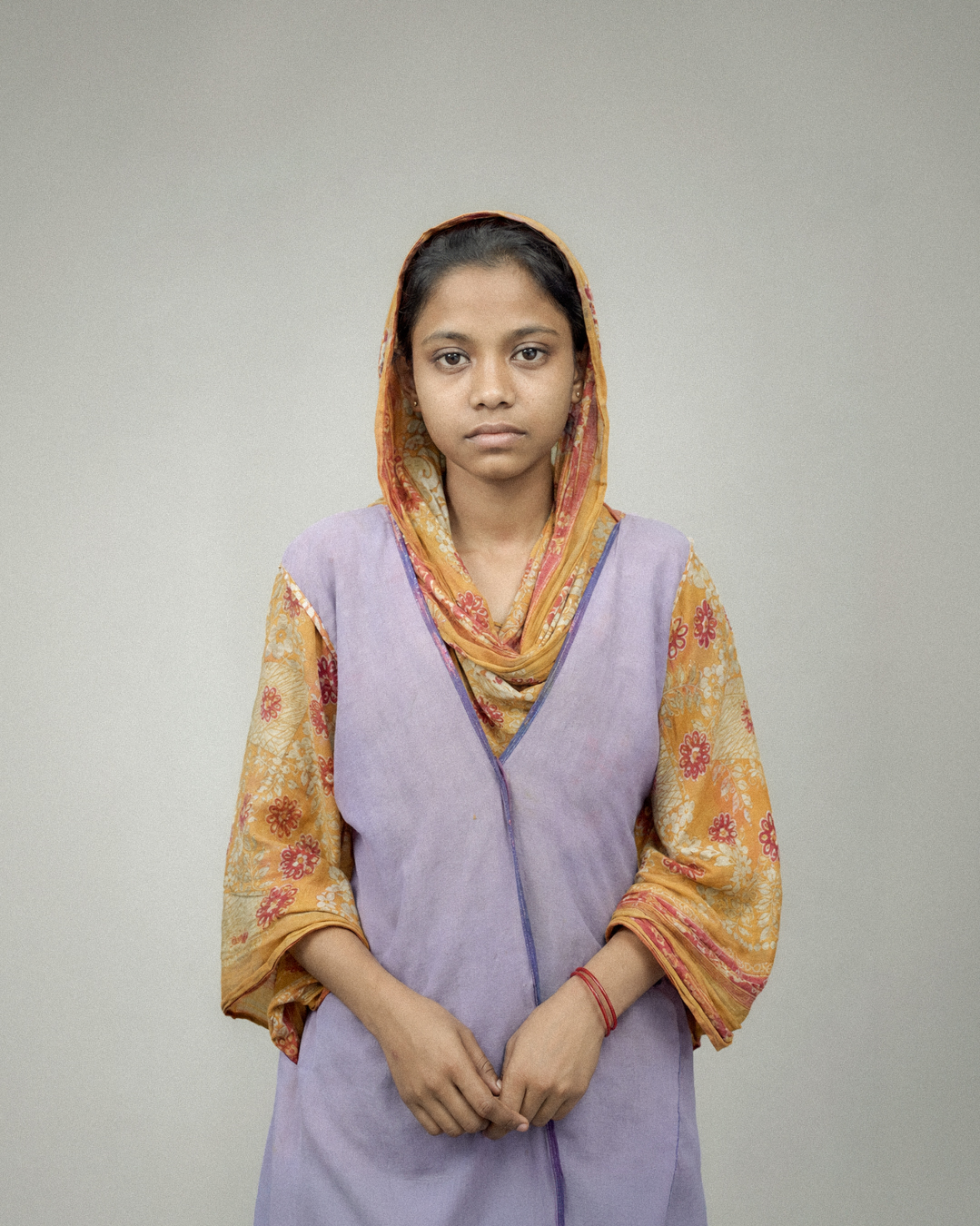
N.45|Celyna Rosario
(English follows below)
▍声を使うけど、語っていない
夜の7時に出勤して、朝の4時すぎに帰ってくる。
マンションのエレベーターは壊れかけてて、ボタンを強く押すとたまに無視される。あれ、今日も?と思いながら、階段を上るか、一か八かで連打するか——そんな選択すら面倒な朝。
屋上の洗濯物が風に煽られて、誰かのTシャツが隣のビルの非常階段にひっかかっている。
それを見上げたつもりが、月があった。
あ、今日って満月? そんなふうに思ったことさえ久しぶりだった。
……疲れてるのかな。
いや、疲れてるのはいつもだった。
声を出すことは慣れた。英語で、丁寧に、明るく、ちょっと控えめに。 "I understand, sir. Please allow me a moment."
でも、喋り終わったあとの沈黙のほうが、自分の一部に近い気がする。
私は今、誰の言葉で、誰の感情を喋ってたんだろう?
部屋に戻る前に、自販機で冷たい水を買う。飲むつもりはなくて、ただ手に持ってると少しだけ落ち着く。氷みたいなペットボトルの感触が、まだ“自分がここにいる”って教えてくれる気がして。
そういえば、最近はセブアノを話す機会も減った。 弟とはテキストだし、母は電話のたびに「大丈夫、無理しないで」って言うけど、彼女の声には、私以上の疲れがある。
あの町の風景は、まだそこにあるのかな。あの丘、あの教会、商店街の雑な看板。 私の声は、もうその場所に届かない。
月は、やけに白かった。明るい肌のような、あの広告の中の女の人たちみたいな白さ。
でも、あの光の下にいたって、私は私のままだ。 ただの夜明け前の、声のない私。
光ってるのは、いつだって遠い。
それでも、思い出す。
18歳で、ダバオのバス停で受かった大学の通知を手にして泣いたこと。 奨学金が出るって聞いて、家族に言う前に一人で教会に寄ったこと。 制服を着て、ノートとボールペンを大事に抱えて乗った通学バス。いつか英語を使う仕事がしたい、って本気で思ってた。
それが今、こんなふうになるなんて、誰も教えてくれなかった。
私の声は、毎日たくさんの“ありがとう”と“申し訳ありません”を繰り返している。 でも、それが誰かの心に残ることは、たぶん、ほとんどない。
喋っているのに、誰にも会っていない。 話しているのに、私はここにいない。
それでも、月を見てると、少しだけ昔の私が浮かぶ。 夢を持ってた私。まっすぐすぎて、ちょっと恥ずかしい私。
その子に、今の私はどう見えるだろう。
「がんばってるね」って言ってもらえたら、少し泣いちゃうかもしれない。
私は今日も、誰かの声になった。でも、語ったわけじゃない。
明日も、またそうなると思う。
でも、今夜だけは——少しだけ、自分の声を思い出してみよう。
……私の人生を、生きてるって言えるだろうか。
そう問いながら、水をひとくち飲んで、エレベーターのボタンをそっと押す。
いつか、この声で、ちゃんと語れたらいいな。
そのとき、私はようやく、"わたしの人生"にたどり着けるのかもしれない
1|声の代行という職業
Celyna Rosario(27)は、フィリピン・ダバオ出身。現在はマニラのBPOセンターで夜勤のカスタマーサポートを担当している。
彼女の業務は、アメリカ人顧客に向けた「中立的な英語」での電話応対だ。
言葉の意味よりも、トーンとアクセントの適切さが重視される。
「I understand, sir」「Please allow me a moment, ma’am」
スクリプトに沿った応答を“自分の声で”再生することが、彼女の仕事の核心だ。
それは言葉を使う仕事でありながら、
“自分の言葉を使わない”ことに徹する職業でもある。
社会にとってのBPOとは、“外注”された効率の象徴かもしれない。
だが彼女にとってそれは、自身の存在の一部を切り離し、
「何かを言うのではなく、何かを言わせる存在」になることだった。
2|肌色という境界
Celynaの肌は、いわゆる「普通のフィリピン人の肌」である。
それは、人口の大多数を占めるマレー系の、中間的なブラウン。
だが、テレビや広告、SNSで「理想」とされる顔は、それとは違う。
フィリピンでは現在も、mestiza(スペイン系混血)や中華系の明るい肌と細い鼻が“上位”に位置づけられている。
「白い=美しい/育ちがよい/成功していそう」とされる価値観が、制度ではなく文化の中で再生産されている。
だから彼女は、ときどき加工アプリを使う。
「肌を白くしたいわけじゃない。でも“くすんでる”って思われたくない」
――その感覚は、自己肯定ではなく自己防衛に近い。
3|制度の内と外で生きる
▪ 英語はなぜ話されているのか?
1898年の米西戦争以降、アメリカはフィリピンを植民地とし、1901年から英語教育を導入した。
法制度や教育、行政が英語で統一され、英語能力は「近代的市民」の象徴とされた。
現在もなお、「英語が話せること」は経済的上昇の最低条件とされる。
▪ 教育制度は開かれているか?
2017年に「無償高等教育法(RA10931)」が成立し、国公立大学の授業料は原則無償となった。
だが、地方の公立校には進学支援が乏しく、
都市部への通学費・生活費の負担が大きいため、
制度があっても“たどり着けない”若者が多数存在する。
▪ BPO産業と“声の外注化”
現在、170万人以上がBPO(Business Process Outsourcing)産業に従事し、GDPの約8〜9%を構成する。
多くは地方出身の若者で、都市に出てきた“下からの中間層”。
彼らには「英語力」と「アメリカ人らしい話し方」が求められ、
話法や声の間まで“訓練”によって矯正される。
彼らは「声を使うが、語ることはない」役割に日々従事している。
▪ 色彩と顔の階層構造
スペイン統治期から、肌の色と権力が階層化されてきた。
白人→混血→先住民というヒエラルキーは、アメリカ統治下でも温存され、
現在のテレビ・広告・SNSでも“白くて細い顔”が理想とされている。
▪ 制度の内にいても、視覚文化の外にいる
Celynaは大学を出て、都市に住み、雇用されている。
だがその声も顔も、「別のもの」に変換されながら労働している。
それは自己表現ではなく、自己削除の反復である。

Dedicated to The Unchosen portrait series
N.45|Celyna Rosario
(English version)
▍Using My Voice, Without Speaking
I head out at 7 PM and come back around 4 in the morning.
The elevator in our building is barely hanging on. Sometimes the button ignores you unless you press it hard. Another day? I wonder. And then I debate whether to take the stairs or gamble on pressing it again—too tired to care.
Laundry on the rooftop flutters in the wind. Someone's t-shirt has flown off and landed on the emergency stairwell of the next building.
I looked up to see it, but instead, I saw the moon.
Oh. Full moon tonight? It's been a while since I even noticed.
...Maybe I'm just tired.
But then again, when am I not?
I've gotten used to using my voice. In English. Polite, cheerful, slightly reserved. "I understand, sir. Please allow me a moment."
But it’s the silence after the call ends that feels most like me.
Whose words was I speaking? Whose emotions was I echoing?
Before going back to my room, I buy cold water from the vending machine. I don’t even drink it. I just hold it. The chill of the bottle, like ice, grounds me—like proof that I still exist.
Lately, I barely speak Cebuano. My brother texts. My mother calls and says, "Don't overwork yourself, okay?" But her voice sounds more tired than mine.
I wonder if the town I grew up in still looks the same. That hill, that church, the signs over the street market shops. My voice no longer reaches that place.
The moon looked blindingly white—like the skin of the women in those beauty ads.
But under that glow, I was still just me. Just the silent me before dawn.
Things that shine always seem distant.
Even so, memories flood back.
I remember crying at the Davao bus terminal when I got my university acceptance letter. I remember stopping by church before telling my family I’d gotten a scholarship. Wearing my uniform, clutching my notebooks and pens, boarding the school bus thinking, "Someday, I want to work in English."
No one told me it would turn out like this.
My voice now repeats thank yous and apologies dozens of times each shift. But probably none of it lingers in anyone’s memory.
I speak, yet meet no one. I talk, but I’m not really here.
Still, when I look up at the moon, I catch a glimpse of my younger self. The one who dreamed. The one who was a little too earnest. A little embarrassing.
How would she see me now?
If she said, "You're doing your best," I might cry.
Today, once again, I became someone else’s voice. But I didn’t speak for myself.
Tomorrow will probably be the same.
But just for tonight—maybe I can try to remember my own voice.
…Can I say I’m living my own life?
I sip the water and gently press the elevator button.
Maybe someday, with this voice, I’ll finally tell my own story.
Maybe then, I’ll finally arrive at the life that’s mine.
|1|A job built on borrowed voices
Celyna Rosario, 27, is from Davao in the southern Philippines.
She now works the night shift at a BPO call center in Metro Manila,
handling American customers with “neutral English.”
What matters most isn’t the meaning of her words,
but their tone and accent.
“I understand, sir.” “Please allow me a moment, ma’am.”
Her work centers on delivering these scripted phrases—
reproducing them in her own voice, yet never really her own.
It’s a job that uses language,
but requires her to withhold her own words.
To the outside, BPO may symbolize outsourced efficiency.
But for Celyna, it has meant dividing a part of herself:
becoming not someone who says things,
but someone through whom things are said.
|2|The boundary of skin
Celyna’s skin tone is typical of many Filipinos—
a medium brown common among the Malay majority.
But the faces held up as “ideal” in media and social networks
don’t often look like hers.
Even today, mestiza (mixed Spanish descent) or Chinese-Filipino features—
fair skin, narrow noses—are still seen as superior.
Whiteness is quietly equated with beauty, good upbringing, success.
These values are not imposed by law,
but deeply reproduced through culture.
So sometimes, Celyna uses filter apps.
“Not to make myself whiter,” she says,
“but so people won’t think I look dull.”
It’s not self-affirmation. It’s self-defense.
|3|Inside the system, outside its gaze
Celyna has a college degree. She has a job. She lives in the city.
She’s within the system, on paper.
But her skin, her voice, her name—
they’re overwritten at work by something else.
It’s not self-expression.
It’s a quiet accumulation of subtractions—
adjusting, smoothing, complying,
until what remains is usable,
even if unrecognizable.
She’s not being silenced.
But she’s not being listened to, either.
本作に登場する人物・語りは、実在の個人に基づいたものではありません。
設定・描写にあたっては、人物の文化背景、言語、歴史、現在の社会状況について文献・記録・当事者の語り等を調査し、
それらをもとに構成・再構成し、物語として描いています。
ただし、たとえ綿密なリサーチをもとにしていても、“他者の声を仮構すること”には構造的な危うさがあると私は考えています。
この作品は、その危うさごと提出するための試みです。
he characters and narratives presented here are not based on any real individuals.
The setting and depiction are constructed and restructured through research into cultural backgrounds, languages, histories, and contemporary conditions—
including archival sources and first-person accounts—
and are rendered here as a narrative.
However, even when grounded in careful research, I believe that fictionalizing the voice of another carries inherent structural risk.
This piece is an attempt to present that risk itself—openly and with accountability.