.webp)


.png)


The Unchosen に捧ぐ
U.03|Malcolm Dawson
(English follows below)
■誰にも読まれないページのように
火曜日の午後、マルコム・ドーソンは図書館の北側にある席に座る。
古びた暖房の近く。目立たない場所。そこにはいつも、誰の予約も入っていない椅子がある。
何もしない。
本を読むわけでもないし、新聞を広げるでもない。
けれど彼の目は、静かに動いている。紙をめくる手、子どもの声をなだめる母親、パソコンの画面をのぞく中年の男……名前を知らない人たちの、断片的な生の観察。
彼の呼吸は浅く、長い。
図書館の空気の温度に、身体を合わせるようにして時間が過ぎていく。
52歳。履歴書の最終更新は2011年。
あれ以来、勤め口はすべて短期。スーパーの裏方、夜の警備、イベント設営。名前はすぐに覚えられ、すぐに忘れられた。
ユニバーサルクレジットの申請には「何をしたか」を記録しなければならない。
マルコムは毎月、見えないキーボードの上で虚構の一日を打鍵する。職探しのフリをして、それでもペナルティを恐れながら、画面の前に座る。
彼にとっての“仕事”は、もうずっと、そういう形式だけのものになっていた。
それでも図書館には来る。
ここでは誰も彼に理由を尋ねない。誰も彼を呼ばない。
けれど、その静けさが、彼を少しだけ支えている。
たとえば、斜め前に座る若い女性が、バッグから取り出した飴を机に置く仕草。
空調の切り替わる瞬間の“ゴッ”という音。
ほんのわずかな場面を、言葉にせず記憶に貼りつけていく。
それが何になるのかはわからない。だけど、何にもならないとは思えない。そういうものが、確かにある。
午後3時を過ぎると、窓の外がうっすらと青くなる。
学生たちの声、バスの低い排気音、郵便局に並ぶ人たちの影。
社会という巨大な仕組みが、マルコムの横をすり抜けていく。
何かになろうとした記憶は、遠くて曖昧だ。
10代の頃の写真には、少しだけ口角が上がった顔が写っていた気がする。
けれど今、その笑みの意味を説明できる自信はない。
白髪の男性がいる。
たまに同じ時間帯に来る。
分厚い本を開いたまま、手はあまり動かない。ページをめくるよりも、目の前の何かを待っているような佇まい。
ある日、その人が少し咳をして、顔を上げたとき、マルコムと視線が重なった。
ほんの一秒、あるかないかの時間だった。
それでもマルコムは、身体を少しだけ起こした。
あれから、目が合えば互いにうなずくようになったわけでもない。何かが始まる気配もない。
ただ、そこに“誰かがいる”ということだけが、音のない言葉みたいに残る。
彼は抗わない。けれど、沈み切ってもいない。
何かを言いかけるような顔で、今日もまた図書館にいる。
誰にも読まれないページのように。
……そういう日々にも、名前はつけられるのだろうか。
|1|窓辺にて、声なき朝
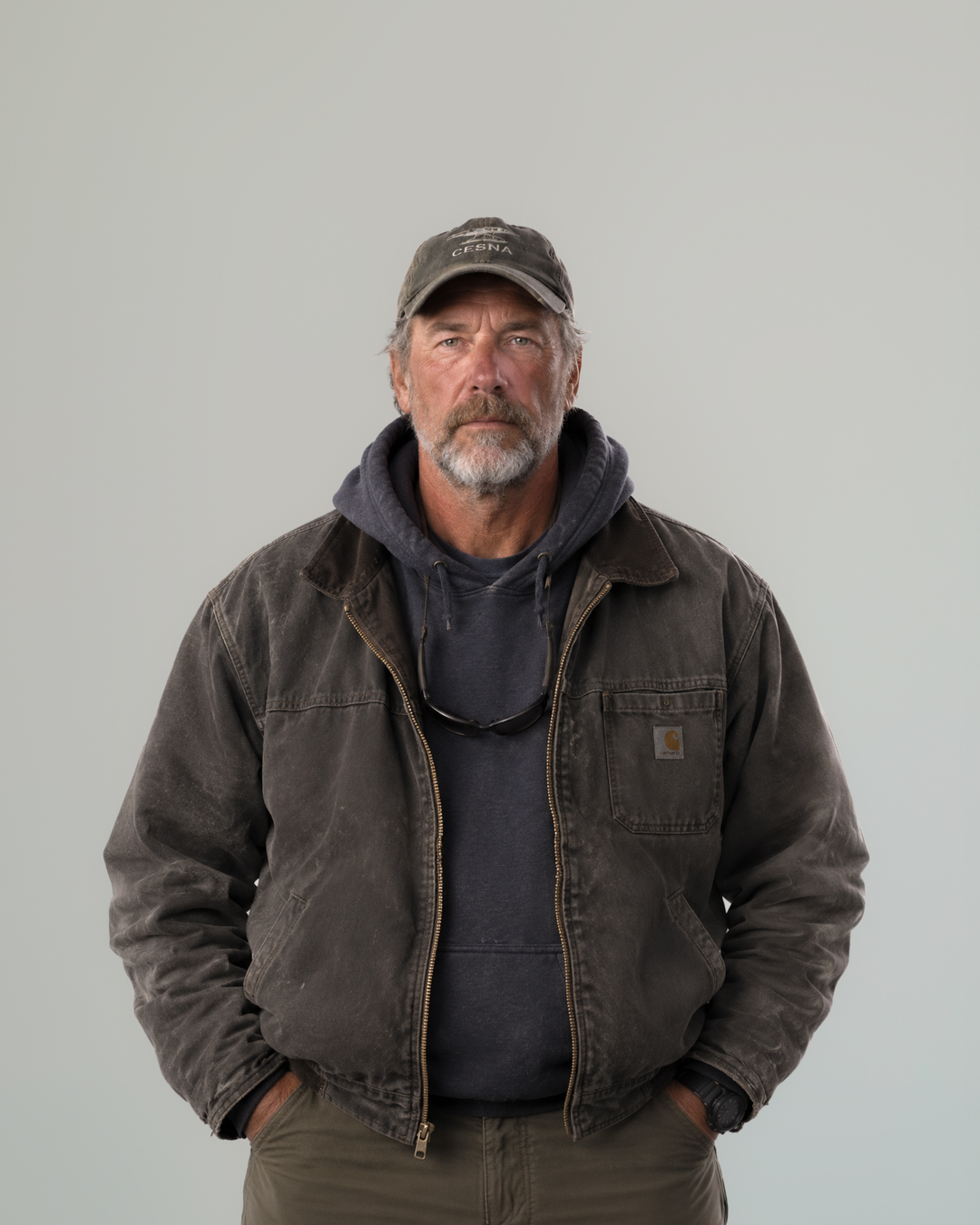
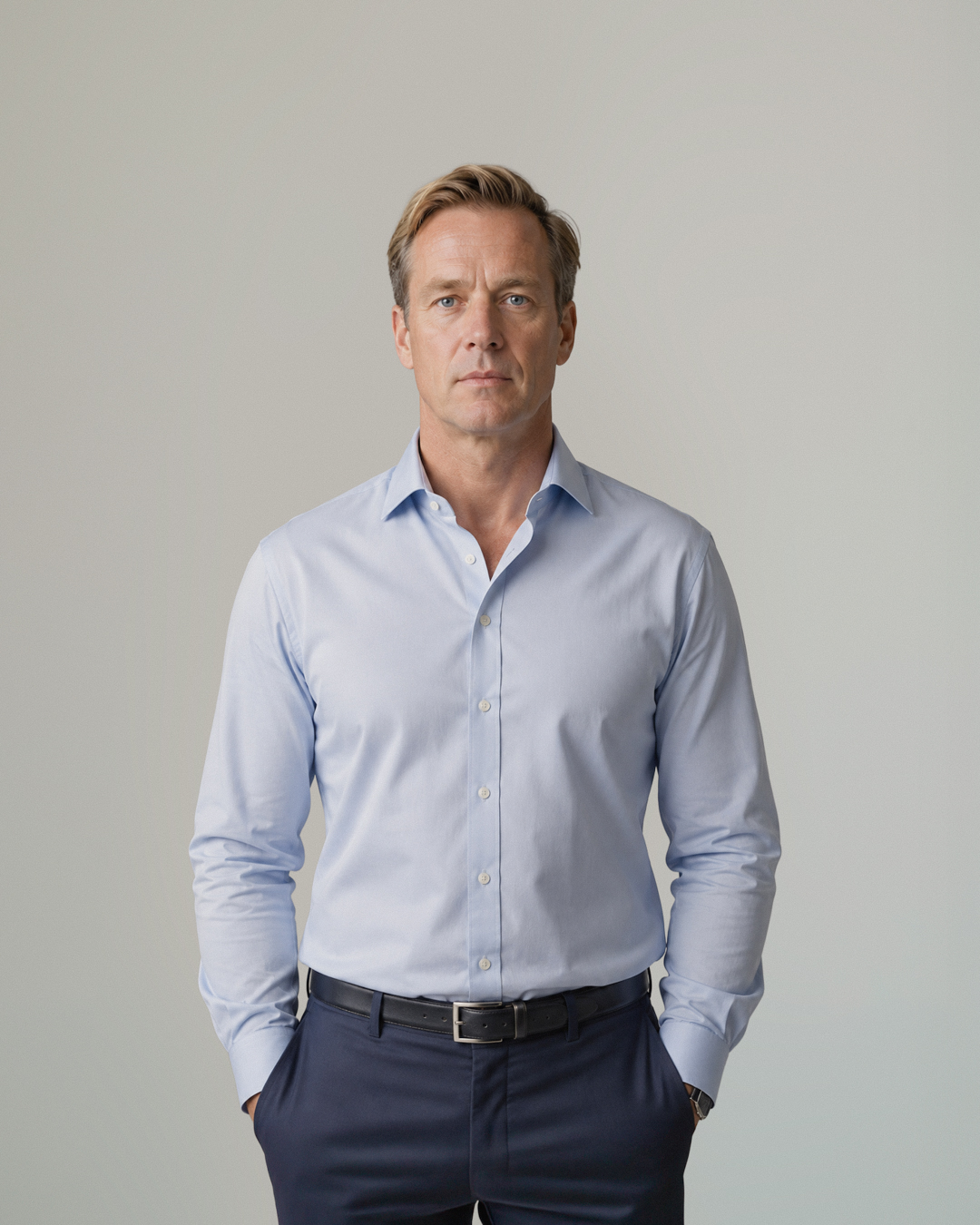
ロンドン東部の集合住宅。その一室の窓辺に、男が座っている。マルコム・ドーソン、52歳。朝9時に目を覚まし、湯を注いだインスタントコーヒーのカップを手に、曇った空を見つめる。だが彼の視線は、外ではなく、窓ガラスに映る自分に向けられているようにも見える。
髪は短く刈られ、顎には剃り残しの髭。乾いた肌と灰色の上着、擦り切れたジーンズが、この街での生活の厚みと薄さを同時に語る。彼は怒っているわけでも、落胆しているわけでもない。ただ、何かの判断を保留するような、静かな表情で座っている。
この時間、彼には話す相手もいない。テレビも、ラジオもつけない。通りを行く人の足音と、自分の呼吸音だけが、彼の世界を満たしている。
|2|静けさを生きる術
週に2回、マルコムはマーケットで中古品を売る。だが、同じ曜日には出店しない。誰かに顔を覚えられるのを避けて、日をずらす。並ぶ商品は、かつて彼が所有していたもの。職を持ち、仲間と働き、生活を組み立てていた頃の痕跡たちだ。
図書館にいる時間は長い。新聞をめくる音だけが自分の存在を知らせてくれる。声は発さない。だが、その静けさが、彼にとっては日々の秩序を守る手段であり、社会との最小限の接続でもある。
働いていた頃の記憶はある。だがそれはもう、自分ではない誰かの人生だったかのようだ。何度も派遣され、何度も職を終え、何度も名を呼ばれなかった。
|3|切断された階級と、回復なき政策
マルコムが青年期を迎えた1980年代初頭、英国はすでにサッチャー政権下で急速な産業再編を進めていた。彼が育ったロンドン東部の労働者階級地域では、港湾も工場も物流拠点も次々と閉鎖され、働く場は消えていった。
学校を卒業した彼に残されていたのは、低賃金の短期雇用と形ばかりの職業訓練プログラムだけだった。彼は働いた。仕分け、検品、梱包。だが、仕事は長くは続かず、次第に履歴書に書くことさえ億劫になった。
90年代に導入された求職者手当(JSA)、そして近年のユニバーサル・クレジット。いずれの制度も、申請にはデジタル環境が必要で、求職活動の証明が求められる。マルコムのように、高度なITスキルや語彙力に馴染みのない者にとって、それは“支援”ではなく“選別”だった。
階級の解体を宣言した社会で、実際には階級の影はさらに濃くなった。発音、学歴、居住地、服装。彼が何を語るかではなく、“どのように”語るかによって、再び社会は彼を測る。
|4|“普通”という名の孤立
今、マルコムは誰にも呼ばれない。それでも、彼は毎朝決まった時間に起き、コーヒーを淹れ、静かに座る。過去を語ることもない。未来を問われることもない。ただ、「今」の中に、判断を保留したまま、彼は在る。
その静けさは、諦めかもしれない。だが同時に、それは抗いのない抵抗でもある。制度に“適応”しきれず、語ることを諦めた人間の姿が、都市の片隅に存在しているということ。それを見落とさないことこそが、私たちに残された数少ない“判断”なのかもしれない。

U.03|Malcolm Dawson: A Portrait of Suspended Judgment
■Like a Page No One Reads
On a quiet Tuesday afternoon, Malcolm Dawson takes his usual seat on the north side of the library.
Near the old heater. Out of the way. The kind of chair that’s never been reserved by anyone.
He doesn’t do much.
Doesn’t read a book or unfold a newspaper.
But his eyes are quietly active—watching hands turning pages, a mother calming her child, a man peering into his screen. Fragmented moments of lives he’ll never know the names of.
His breathing is shallow, long.
Time passes as he adjusts himself to the room’s quiet temperature.
He’s 52 now. His CV was last updated in 2011.
Since then, he’s only had short-term jobs—stocking shelves, night security, setting up events. His name was always learned quickly, and forgotten just as fast.
Applying for Universal Credit requires him to list “what he’s done.”
Each month, Malcolm types out a fictional day over a keyboard that isn’t there. Pretending to look for work, fearing penalties. His work now is a form, a fiction, a ritual.
Still, he comes to the library.
Here, no one asks why he’s there. No one calls out his name.
And that silence—oddly enough—is the thing that keeps him going.
Like the way a young woman across from him places a candy on the desk.
Or the way the air conditioning makes a “thud” when it shifts.
He keeps small moments like these, wordless, but vivid.
They may amount to nothing. But they don’t feel like nothing.
After 3 PM, the light outside turns a pale blue.
Teenagers pass by, buses groan, people line up at the post office.
The machinery of society hums right past him.
He used to want to become something.
In old photos from his teenage years, he thinks he remembers smiling—just a bit.
But now, he wouldn’t know how to explain what that smile meant.
There’s a white-haired man who sometimes shows up around the same time.
He opens a thick book but rarely turns the pages. He seems to be waiting for something—not someone, not exactly—but something.
One day, the man coughed, looked up, and their eyes met.
Not even a second. But Malcolm straightened up, just a bit.
Since then, nothing has changed. They don’t nod. They don’t speak.
Still, knowing someone is “there”—just there—lingers like an unspoken word.
Malcolm doesn’t resist. But he hasn’t surrendered either.
With a face that always seems on the verge of saying something, he returns to the library.
Like a page no one reads, but that still waits to be turned.
…And perhaps, even days like these deserve a name.
|1|By the Window, a Silent Morning
In a flat in East London, a man sits by the window. Malcolm Dawson, 52. He wakes at 9 a.m., pours hot water over instant coffee, and gazes at the gray sky. But his eyes seem not to focus on the outside world, but rather on his own reflection in the glass.
His hair is closely cropped, his chin often unshaven. Dry skin, a gray jacket, and worn-out jeans speak to both the density and hollowness of life in this city. He is neither angry nor despondent. He simply sits, wearing an expression that seems to suspend judgment.
At this hour, he has no one to talk to. The television and radio are off. Only the footsteps on the street and the sound of his own breath fill his world.
|2|The Practice of Silence
Twice a week, Malcolm sells second-hand goods at the market. But he never shows up on the same day. He avoids being recognized by changing his routine. The items he sells are remnants from a life when he had a job, colleagues, and some semblance of structure.
He spends long hours at the library. The rustling of newspapers affirms his presence. He speaks no words. Yet this silence serves as his way of preserving order and maintaining a minimal connection to society.
He remembers working. But those memories feel as though they belong to someone else. He was dispatched, dismissed, and forgotten—too many times to count.
|3|Broken Class Lines and Irreparable Policy
When Malcolm came of age in the early 1980s, the UK was undergoing rapid industrial restructuring under the Thatcher government. In the working-class neighborhoods of East London where he grew up, docks, factories, and warehouses closed one after another. The jobs vanished.
After leaving school, all that remained were low-wage temp jobs and symbolic training schemes. Malcolm worked—sorting, inspecting, packing. But none of it lasted, and soon he stopped updating his CV altogether.
The Jobseeker's Allowance of the 1990s, followed by Universal Credit, both required digital access and proof of job-seeking efforts. For someone like Malcolm, with limited IT skills and educational literacy, these systems functioned more as filters than support.
In a society that claimed to dismantle class, its shadows only grew deeper. Accent, education, address, attire—Malcolm is judged not for what he says, but how he says it.
|4|Isolation by the Name of Normal
Now, Malcolm is not called by anyone. Still, he rises at the same hour, brews his coffee, and sits quietly. He does not speak of the past. No one asks him about the future. He simply exists, suspended in the present.
That silence might be resignation. But it is also a passive resistance. His presence—unadapted to the system, without narrative—is a quiet witness in the corners of the city. To notice that presence may be one of the few judgments left to us.
The Unchosen
https://www.instagram.com/takuya_matsumoto_/」
本作に登場する人物・語りは、実在の個人に基づいたものではありません。
設定・描写にあたっては、人物の文化背景、言語、歴史、現在の社会状況について文献・記録・当事者の語り等を調査し、
それらをもとに構成・再構成し、物語として描いています。
ただし、たとえ綿密なリサーチをもとにしていても、“他者の声を仮構すること”には構造的な危うさがあると私は考えています。
この作品は、その危うさごと提出するための試みです。
he characters and narratives presented here are not based on any real individuals.
The setting and depiction are constructed and restructured through research into cultural backgrounds, languages, histories, and contemporary conditions—
including archival sources and first-person accounts—
and are rendered here as a narrative.
However, even when grounded in careful research, I believe that fictionalizing the voice of another carries inherent structural risk.
This piece is an attempt to present that risk itself—openly and with accountability.