.webp)


.png)


the unchosen
U.17
Essay
毎朝、エスカレーション・キューを開くとき、ほんの一瞬だけ目を閉じる。
別に祈っているわけじゃない。ただ、今日このキューに何が入っているか分からない朝というのは、どれだけ経験を積んでも慣れない。CSAMのケースが3件連続で並んでいる月曜もあれば、著作権がらみの微妙なグレーゾーンだけで一日が終わる水曜もある。どちらが「マシ」かと聞かれたら、答えられない。
スタンフォードでHCIをやっていた頃、修士論文のテーマを決めるのにひと夏かかった。テクノロジーが社会にどう影響するか——そういう大きな問いを立てることが許された場所だった。いま私がやっているのは、その問いの末端が吐き出す具体的な汚物を、ひとつずつスプレッドシートに分類することだ。「Yes」か「No」か「Escalate」。それを一日に何十回と繰り返す。
2022年に入社したとき、この会社は「Responsible AI」を看板に掲げていた。面接でも「あなたのような人材が必要だ」と言われた。ポリシーとテクノロジーの両方が分かる人間。私は素直にうれしかった。
3年が経って、テック業界の空気が変わった。大手がDEIのチームを縮小し、「多様性」という言葉がミーティングで使いにくくなった。私たちのTrust & Safetyチームは、社内で「コストセンター」と呼ばれ始めている。売り上げを生まない部門。でも私たちがいなければ、このプロダクトは明日にでもEUの規制で止まる。そのことを知っているのは、私たちと法務だけだ。
Slackのプロフィールに「They/Them」と書いてある。以前はそれが当然のことだった。最近は、新しく入ったエンジニアが私のプロフィールを見て一瞬だけ表情を変えるのが分かるようになった。悪意じゃない。ただ、空気が変わったことの小さな証拠。
パートナーのLizは別のスタートアップでバックエンドを書いている。二人とも帰りが遅いから、冷蔵庫にはTrader Joe'sのミールキットがいつも3つ4つ入っている。週末だけファーマーズマーケットに行って、まともな野菜を買う。それが私たちの「丁寧な暮らし」の全部だ。パロアルトのアパートメントの家賃は月$3,800。毎月その数字を見るたびに、ここにいる理由を考える。答えはいつも同じで、ストックオプションがベストする4年目まではここにいたほうがいい、という計算だ。
夜、CeraVeで顔を洗いながら鏡を見ると、ブリーチの根元が伸びた自分の髪が目に入る。美容院に行く時間がない、というよりも、行くタイミングを逃すことにもう慣れてしまった。デスクの脇に置いてある人工涙液のボトルは3本目。ドライアイの処方箋をもらうために眼科に行ったら、「画面を見る時間を減らしてください」と言われた。それは私の仕事を辞めろという意味だ。
ヴィパッサナー瞑想を続けている。信仰ではない。ただ呼吸に集中する10分間だけが、エスカレーション・キューのことを考えなくていい時間だから。身体が消耗している。それを管理するための技法として、瞑想は悪くない。でもときどき、自分が管理しているのが身体なのか、それとも何かに対する怒りなのか、分からなくなる。
---
Every morning, I close my eyes for just a second before I open the escalation queue. It's not prayer. It's just that no matter how much experience you have, you never get used to mornings when you don't know what's waiting in the queue. Some Mondays, three CSAM cases are lined up in a row. Some Wednesdays, the whole day is spent on copyright gray zones. If you asked me which is "better," I couldn't answer.
When I was doing HCI at Stanford, it took me an entire summer to decide on a thesis topic. It was a place where you were allowed to ask big questions—how does technology affect society? What I do now is sort the concrete filth that those questions spit out at their far end, one by one, into a spreadsheet. "Yes" or "No" or "Escalate." Dozens of times a day.
When I joined in 2022, the company was flying the "Responsible AI" banner. In the interview, they said, "We need someone like you." Someone who understands both policy and technology. I was genuinely happy.
Three years later, the air in the tech industry has changed. The big companies are downsizing their DEI teams, and the word "diversity" has become hard to use in meetings. Our Trust & Safety team is starting to be called a "cost center" internally. A department that doesn't generate revenue. But without us, this product would be shut down by EU regulations tomorrow. The only people who know that are us and legal.
My Slack profile says "They/Them." That used to be a given. Lately, I've started to notice when a newly hired engineer glances at my profile and their expression shifts for just a second. It's not malice. Just a small piece of evidence that the air has changed.
My partner Liz writes backend at another startup. We're both home late, so there are always three or four Trader Joe's meal kits in the fridge. On weekends only, we go to the farmers' market and buy real vegetables. That's the entirety of our "mindful living." Rent for our Palo Alto apartment is $3,800 a month. Every time I see that number, I think about why I'm still here. The answer is always the same calculation: better to stay until the stock options vest in year four.
At night, washing my face with CeraVe, I catch sight of my hair in the mirror—the bleach grown out at the roots. It's not that I don't have time for the salon; I've just gotten used to missing the window. The bottle of artificial tears on my desk is the third one. When I went to the ophthalmologist for a dry-eye prescription, they told me, "Reduce your screen time." That means quit my job.
I keep up the Vipassana meditation. It's not faith. It's just that those ten minutes of focusing on nothing but breathing are the only time I don't have to think about the escalation queue. My body is wearing down. As a technique for managing that, meditation isn't bad. But sometimes I can't tell whether what I'm managing is my body, or some kind of anger.
ー
|1|
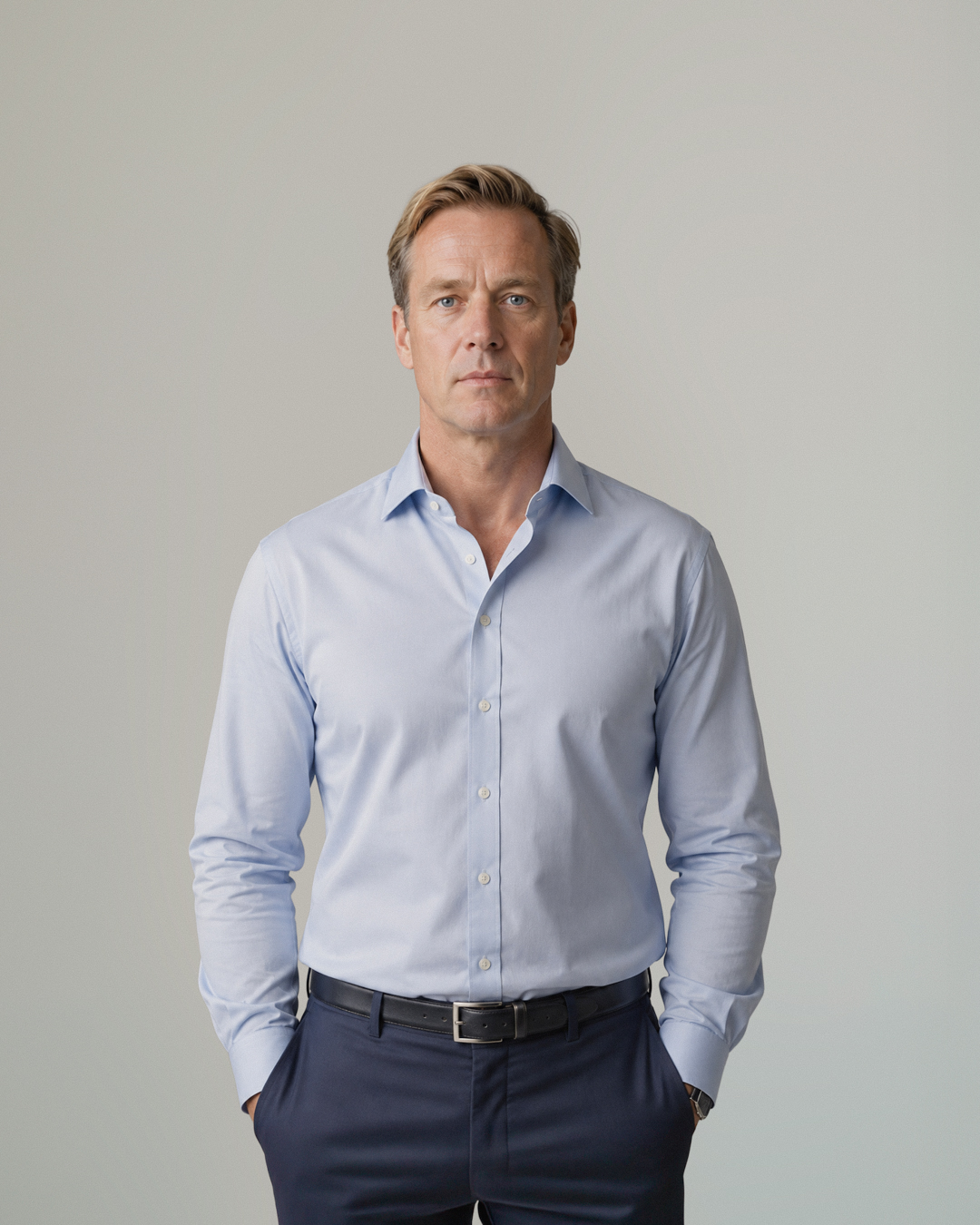
パロアルトのアパートメントのデスクに、人工涙液の小瓶が置いてある。U.17(29・ノンバイナリ)はフレームの太い眼鏡越しにノートPCの画面を覗き込み、コンテンツモデレーション・チームからエスカレーションされてきた12件の判断困難なケースを順にレビューしている。AI画像生成スタートアップのTrust & Safety Policy Lead。児童搾取画像の防止フィルター閾値の管理、著作権侵害に関するガイドラインの整備、EU AI Actへの規制対応——彼らが毎日処理しているのは、テクノロジーが社会に接触する境界線上の、地味で神経をすり減らす実務の連続だ。修士論文で扱った「テクノロジーの社会的影響」という抽象的なテーマが、いま目の前のスプレッドシートの中で、極めて具体的なYes/Noの判断として積み上がっている。
|2|
スタンフォードのComputer Science修士課程でHCIを専攻し、2022年に入社した当時、AIスタートアップはResponsible AIとDEIへの投資を競い合い、彼らのような「ポリシー×テクノロジー」のバックグラウンドを持つ人材は引く手あまただった。しかし2025年、テック大手がDEI施策を次々と後退させ、業界全体がより攻撃的な実力主義へとシフトする中で、Trust & Safety部門は社内で「コストセンター」と見なされ始めている。Slackプロフィールにpronouns(They/Them)を記載すること自体が、以前は当然のことだったが、最近はそれすら社内の空気を読む行為になった。ミーティングでは安全ポリシーの更新を「レピュテーションリスクの低減」という経営言語に翻訳し、声を荒げることなく、最も静かな人間として発言権を維持しようとしている。
|3|
帰宅は遅い。登録パートナーシップを結んだパートナーも別のスタートアップに勤めており、冷蔵庫にはTrader Joe'sのミールキットと週末にファーマーズマーケットで買った野菜が雑然と詰め込まれている。パートナーがセットアップしたスマート照明が惰性で調光を繰り返す部屋の中で、ブリーチの根元が数センチ伸びた髪をかき上げ、CeraVeのクレンザーで顔を洗う。Everlaneのシャツを脱ぎ捨て、ベッドに倒れ込む前に、明日の朝一のミーティングで使う外部監査レポートのドラフトにもう一度だけ目を通す。画面の光に照らされた顔に、カリフォルニアの乾燥した夜気が窓の隙間から忍び込んでくる。
---
|1|
A small bottle of artificial tears sits on a desk in a Palo Alto apartment. U.17 (29, non-binary) peers through thick-framed glasses at a laptop screen, sequentially reviewing twelve difficult cases escalated by the content moderation team. As the Trust & Safety Policy Lead at an AI image generation startup, their daily work consists of managing CSAM prevention filter thresholds, maintaining copyright infringement guidelines, and handling regulatory compliance with the EU AI Act—a relentless stream of unglamorous, nerve-grinding tasks at the boundary where technology meets society. The abstract theme of "technology's social impact" explored in their master's thesis now accumulates before them as a series of highly concrete yes-or-no decisions inside a spreadsheet.
|2|
They specialized in HCI within Stanford's Computer Science master's program and joined the company in 2022, when AI startups were competing to invest in Responsible AI and DEI, and people with their "policy × technology" background were in high demand. But in 2025, as tech giants have systematically rolled back DEI initiatives and the industry has shifted toward a more aggressive meritocracy, the Trust & Safety department is increasingly seen internally as a "cost center." Simply listing pronouns (They/Them) on a Slack profile, once a given, has recently become an act of reading the room. In meetings, they translate safety policy updates into business language—"reputational risk mitigation"—maintaining their influence as the quietest person in the room.
|3|
They get home late. Their registered domestic partner also works at another startup, and the refrigerator is a disorganized mix of Trader Joe's meal kits and vegetables bought at the weekend farmers' market. In a room where smart lighting installed by their partner cycles through its dimming patterns out of inertia, U.17 pushes back hair with several centimeters of bleach grown out at the roots and washes their face with CeraVe cleanser. They toss their Everlane shirt aside, and before collapsing into bed, glance one more time at the draft of an external audit report for tomorrow's first meeting. The dry California night air creeps in through a gap in the window, brushing a face lit by the glow of the screen.
---
本作に登場する人物・語りは、実在の個人に基づいたものではありません。
設定・描写にあたっては、人物の文化背景、言語、歴史、現在の社会状況について文献・記録・当事者の語り等を調査し、それらをもとに構成・再構成し、物語として描いています。
ただし、たとえ綿密なリサーチをもとにしていても、"他者の声を仮構すること"には構造的な危うさがあると私は考えています。
この作品は、その危うさごと提出するための試みです。
The characters and narratives presented here are not based on any real individuals.
The setting and depiction are constructed and restructured through research into cultural backgrounds, languages, histories, and contemporary conditions—including archival sources and first-person accounts—and are rendered here as a narrative.
However, even when grounded in careful research, I believe that fictionalizing the voice of another carries inherent structural risk.
This piece is an attempt to present that risk itself—openly and with accountability.