.webp)

.png)


the Unchosen
U.12 Laurie Gagnon
English translation follows below.

カーテンは開けていない。光がまぶしいとか、そういう理由ではなくて。ただ、その必要がないから。
目が覚めたのは、たぶん昼過ぎ。起きたというか、ただ目が開いただけで、しばらくは何も考えずに天井を見てた。
なんでこんなに起きるのがだるいんだろう。眠くはないのに、体が重い。頭も、昨日のことも、まるで水の底みたいにぼやけてる。
スマホには通知が一個だけ。広告か何か。返す気もしない。
それでも、ちょっと動いてみようとする。布団から脚を出してみて、あ、寒いなって思って、また引っ込める。パーカーを引き寄せてかぶる。昨日と同じやつ。洗ってない。別に誰にも会わないし、いいや。
「このままずっとベッドにいたら、どうなるんだろう」
声には出してないけど、たぶん毎日どこかで思ってる。ベッドって、一回沈むと出てこれない沼みたいなとこある。
将来? って言葉を頭に浮かべてみたけど、ぼんやりしてて、形がない。なんか仕事するとか、一人暮らしするとか、恋愛とか、そういうの全部、よその世界のことみたいに遠い。
不安かどうかも、よくわかんない。たぶん不安なんだと思うけど、たぶん、もうそれに慣れちゃったんだと思う。
たまに学校のことを思い出す。 教室の、あの妙に白くて平べったい光とか、ロッカーの開けづらい音とか。あと、サラの笑い声。よく一緒に帰ってた。近くのデパヌールでアイス買って、くだらない話ばっかしてた。
でも、あの頃ってほんとに“あった”のかな。夢だった気もする。
最後のほう、誰とも口きかなくなって、先生にも避けられてる感じがして、それで行くのやめたんだ。 誰かが「大丈夫?」って言った気もするし、言ってない気もする。たぶん、どっちでもよかった。
後悔……してないって言えば嘘になるけど、あのまま通ってたからって、何か良くなってたとも思えない。 どっちにしろ、私、うまくやれなかったと思うから。
スマホを開いたら、BeRealの通知。ああ、また今日もその時間かって思う。
サラはちゃんと毎日投稿してる。職場の制服でピースしたり、猫と一緒に写ってたり。なんか、ちゃんとしてるなって思う。えらいな、って思う。でも、うらやましいとはちょっと違う。あの子は、あの子だから。私は、私。
私は、たぶん今日も撮らない。 今の私を切り取ったら、ただの“止まってる画像”になるだけ。
そろそろ、何か食べようかな。でも台所に行くのもしんどい。冷蔵庫に昨日の豆乳、まだあったっけ。
……たぶん、今日はこのまま。明日も、そんなに変わんないかもしれない。
でも、それでも、なんか生きてる。
そういう日って、ある。
|1|午後三時の街角で
ローリー・ガニョンは午後三時に起きる。 それは、目覚ましによるものではない。眠りと覚醒の間にある曖昧な揺らぎに身を任せ、十分に重力を感じた頃に、静かに体を起こす。カーテンの隙間から滲む薄い光と、ラジオの音漏れのような車の往来。それが彼女にとっての朝だった。
母親はすでに仕事に出ている。清掃補助のパートは、決まった時間もなければ、明日がある保証もない。彼女の帰宅はまちまちで、その不確かさはローリーの日常にもうつっていた。冷蔵庫に残った豆乳をすすり、ベージュのスウェットを引きずるようにして袖を通す。眉は数日前に自宅でブリーチしたままで、髪の根元には染め残しの黒が混ざる。顔は洗わない。鏡を覗くこともない。
それでも、家を出る。 モントリオールの街は、午後になっても白く冷たい。古着店と雑貨屋が点在する一角を、彼女はゆっくりと歩く。買い物をすることはほとんどない。ただ、誰かの選んだ服、誰かの残した生活の破片を眺めること。それがローリーにとっての「接続」だった。
|2|BeRealとフリースの匂い
夜、彼女の部屋は静かだ。 部屋といっても、間仕切りもない母子ふたりの空間で、ローリーの"場所"はベッドと小さな棚だけで構成されている。その棚の上にスマホが一台置かれている。通知は多くない。彼女がSNSで発信することは、ほとんどないからだ。
ただ、BeRealだけは毎日開く。 友人というよりも「知っている顔」が、同じ時間に自分の居場所を映す。ローリーはそれを見る。海辺で撮った自撮り、バリスタのエプロン、家族と囲むケーキの皿。それらはどれも現実で、どこかで羨望の対象になりうる瞬間だ。だが、彼女の眼差しはそのどれにも寄り添わない。
彼女にとってそれらは、「選ばれた顔」のパターンだった。 誰かがそこにいた、という事実。誰かが何かをしていた、という痕跡。だが、自分はその"何か"の中にいない。画面の中の光景に、ローリーは入り込めない。それを寂しいとは思わない。ただ、包帯を巻いた手首で、スマホを画面側に伏せる。
明日のことは考えない。それが今のかたちだった。
|3|制度が介入しないという自由
ローリーは、制度から抜け落ちている。 通信制課程には在籍しているが、通学はしていない。相談員の連絡も、数ヶ月前から止まっている。彼女がいないことを、誰も問題として扱わない。「静かな不在」は、制度にとって最も処理しやすい形だった。
ケベックの福祉制度は比較的手厚いと言われる。だがその対象は、「問題が可視化される人々」に限られる。ローリーのように、家庭内で暴力があるわけでもなく、明確な依存症があるわけでもない存在は、支援の網にかかりにくい。生活は苦しく、希望は乏しいが、それは数値に表れない。「自由に見える不在」として、制度の外側に置かれる。
このような構造は、北米の一部において、Z世代特有の孤立を生む要因となっている。 自己表現の自由、進路選択の自由、働き方の自由。そのどれもが、実は「選ばれた者」にしか実効性を持たない。ローリーが感じるのは、選択肢が与えられていないことへの自覚ではなく、選択肢そのものが存在しない地平に立たされている感覚だ。だからこそ彼女は、「何も望まないこと」に微かな自負を持つ。
その姿は、見る者によっては「自由」に映るかもしれない。 だがその自由とは、「誰も責任を負わないこと」の別名に過ぎない。
*本作に登場する人物・語りは、実在の個人に基づいたものではありません。
設定・描写にあたっては、人物の文化背景、言語、歴史、現在の社会状況について文献・記録・当事者の語り等を調査し、
それらをもとに構成・再構成し、物語として描いています。
ただし、たとえ綿密なリサーチをもとにしていても、“他者の声を仮構すること”には構造的な危うさがあると私は考えています。
この作品は、その危うさごと提出するための試みです。

Login • InstagramWelcome back to Instagram. Sign in to check out what your friwww.instagram.com
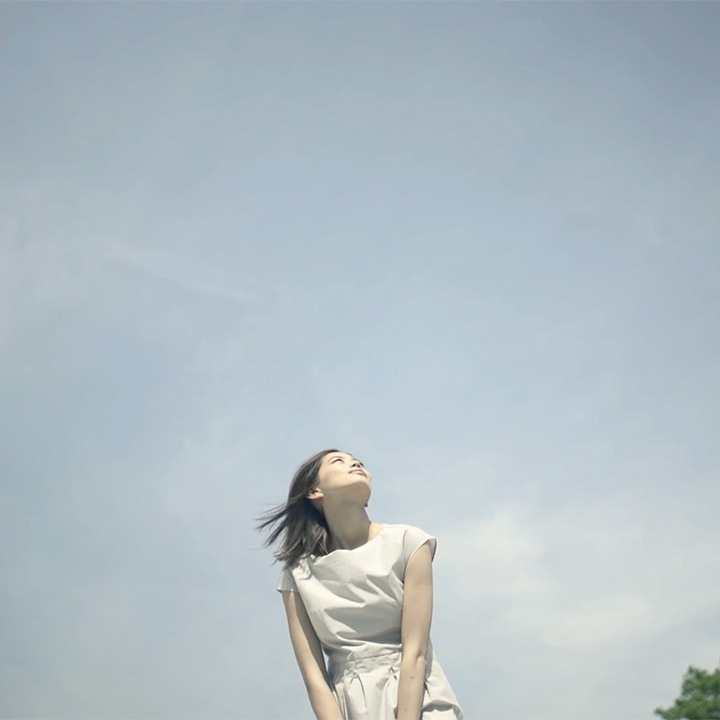
ビジュアルでのThe Unchosenはインスタグラムで公開してます
An Afternoon Without Her
for the Unchosen
U.12 Laurie Gagnon
I haven't opened the curtains.
Not because the light is too bright or anything like that.
Just... because there's no need to.
I probably woke up around noon.
Well, not really woke up—my eyes just opened, and I lay there for a while, staring at the ceiling, not thinking about anything.
Why is it so hard to get up?
I'm not sleepy, but my body feels heavy.
My head too.
Yesterday, everything—it all feels blurry, like it's sunk at the bottom of a lake.
One notification on my phone.
Probably an ad.
I don't even feel like checking.
Still, I try to move a little.
Slip a leg out of the blanket—cold.
Pull it back in.
Grab yesterday's hoodie and throw it over my head.
Same one. Not washed.
Not like I'm seeing anyone today anyway.
I wonder, “What would happen if I just stayed in bed forever?”
I don’t say it out loud, but I probably think that every day.
Beds are kind of like swamps—once you sink in, it’s hard to crawl out.
Future?
I try to picture the word, but it’s vague.
Working, living alone, falling in love—all of it feels like it belongs to someone else’s world.
Am I anxious?
I’m not even sure.
Maybe I am.
But maybe I’ve just gotten used to feeling like this.
Sometimes I remember school.
The weirdly flat, white light in the classrooms.
The lockers that were always hard to open.
And Sara’s laugh.
We used to walk home together.
Bought ice cream at the dépanneur nearby, talked about nothing.
But... did that time really exist?
It feels like a dream.
Toward the end, I stopped talking to anyone.
Felt like the teachers were avoiding me too.
And then I just stopped going.
Someone might’ve said, “Are you okay?”
Or maybe they didn’t.
Either way, I didn’t care much.
Regret?
Yeah... saying I don’t would be a lie.
But even if I’d kept going, I don’t think things would’ve turned out any better.
I wouldn’t have done well either way.
My phone buzzes.
BeReal.
Again.
Sara posts every day.
A peace sign in her work uniform.
Snuggling with her cat.
She’s got it together.
She’s doing fine.
And yeah, I think she’s amazing.
But I’m not jealous.
She’s her.
And I’m me.
I probably won’t take a photo today either.
If I did, it would just be another “paused” image.
Nothing to show.
Maybe I should eat something.
But even going to the kitchen feels like a lot.
Did I still have that soy milk from yesterday?
…Probably going to stay like this today.
Tomorrow won’t be that different either.
Still.
Somehow.
I’m alive.
There are days like that.
|1|A Street Corner at 3 PM
Laurie Gagnon wakes up at three in the afternoon. Not because of an alarm, but by drifting through the ambiguous space between sleep and wakefulness. When gravity feels just strong enough, she quietly rises. Thin light slips through the curtain gaps. The distant hum of cars, like a leaking radio. This is her morning.
Her mother has already left for work. Her part-time cleaning job has no fixed hours, no guarantee for tomorrow. That uncertainty has seeped into Laurie's daily rhythm. She sips the last of the soy milk, pulls on a beige sweatshirt that drags at her sleeves. Her eyebrows remain bleached from days ago; her roots show streaks of black. She doesn’t wash her face. She doesn’t look in the mirror.
Still, she leaves the house. Even in the afternoon, Montreal remains cold and pale. In a district dotted with vintage shops and knickknack stores, Laurie walks slowly. She rarely buys anything. To look at clothes once chosen by someone else, fragments of a life left behind—this, for her, is connection.
|2|The Smell of BeReal and Fleece
At night, her room is quiet. But "room" may be too generous. A partitionless space shared with her mother. Laurie's "place" consists of a bed and a small shelf. On it, a single smartphone. Few notifications arrive. She rarely posts anything herself.
Except on BeReal. That, she opens daily. Not friends, exactly—just familiar faces, sharing where they are in the same moment. Laurie watches. A beach selfie. A barista’s apron. A family cake on a plate. Real moments, maybe even enviable ones. But her gaze doesn’t lean into them.
To her, these are patterns of the "chosen face." Someone was there. Someone did something. But she isn’t inside that "something." She cannot enter the scenes on the screen. She doesn’t call it loneliness. With her bandaged wrist, she flips the phone face down.
She doesn’t think about tomorrow. That is her form of being.
|3|Freedom as Non-Intervention*
Laurie has slipped through the net of systems. Officially enrolled in a distance-learning program, she does not attend. The counselor stopped reaching out months ago. Her absence isn’t treated as a problem. "Quiet absence" is the easiest form for systems to process.
Quebec's welfare system is said to be relatively robust. But it primarily serves those whose "problems" are visible. People like Laurie—who live without abuse, without clear addiction—fall through the cracks. Life is hard. Hope is scarce. But such facts are rarely quantifiable. She is placed outside the system as a "freedom-like absence."
In parts of North America, such structures breed a particular isolation among Gen Z. Freedom of expression, career choice, lifestyle—all these only function for the "selected." Laurie doesn’t feel deprived of choices. She feels as though choices never existed at all. That’s why she holds a quiet pride in "wanting nothing."
Some might see her as "free." But that freedom is merely another name for "no one takes responsibility." *
*The characters and narratives presented here are not based on any real individuals.
The setting and depiction are constructed and restructured through research into cultural backgrounds, languages, histories, and contemporary conditions—
including archival sources and first-person accounts—
and are rendered here as a narrative.
However, even when grounded in careful research, I believe that fictionalizing the voice of another carries inherent structural risk.
This piece is an attempt to present that risk itself—openly and with accountability.