.webp)


.png)


ねえ、静かな場所って、本当に静かなんだろうか。
——ときどき、そう思う。
イングリッドのいる地下100メートルの空間。
温度はマイナス18度で固定されている。
音は、ほとんどない。圧縮機の低い唸りだけ。
だけど、それを「無音」と呼ぶのは、少し違う気がする。
そこには、数百万の“まだ起きていない時間”が詰まっている。
発芽していない未来。
芽吹く前の、世界の予備。
……
一方で、僕らのいる地上はどうだろう。
通知が鳴る。
スクロールする。
また、何かが消えていく。
——残るはずのないものばかりを、必死に保存している気がする。
イングリッドは、かつてデータセンターにいた。
熱を吐き続けるサーバーの群れ。
人の感情が、数字と画像になって流れていく場所。
そこから彼女は、極地に来た。
理由は語られない。
でも、なんとなくわかる気がする。
軽すぎたのだと思う。すべてが。
触れられないもの。
停電ひとつで消えるもの。
存在しているのに、存在していないもの。
……
地下の通路を歩く彼女は、種子の箱に囲まれている。
それは、ただの“物”だ。
だけど、重い。
圧倒的に。
そこには時間が詰まっている。
過去と、未来と、たぶん僕らの知らない誰かの希望が。
——重さって、たぶん、時間のことだ。
僕らは軽いものばかり持ちすぎたのかもしれない。
すぐ送れて、すぐ消えて、すぐ忘れるもの。
だから、どこかで不安になる。
残らない世界に、ずっと居続けていいのかって。
……
彼女は今日も温度計を見る。
マイナス18.0度。
それは変わらない。
変えてはいけない数字。
地上では、あらゆるものが更新され続けるのに。
ここだけは、止まっている。
いや、違うか。
止めているのかもしれない。意志的に。
時間を。
……
もし世界が終わるとしたら、最後に開けるべき扉はどこだろう。
クラウドの奥か。
それとも、凍った土の中か。
僕たちは、何を「残す価値がある」と決めているんだろう。
——そしてそれは、本当に残るものなんだろうか。
|1|
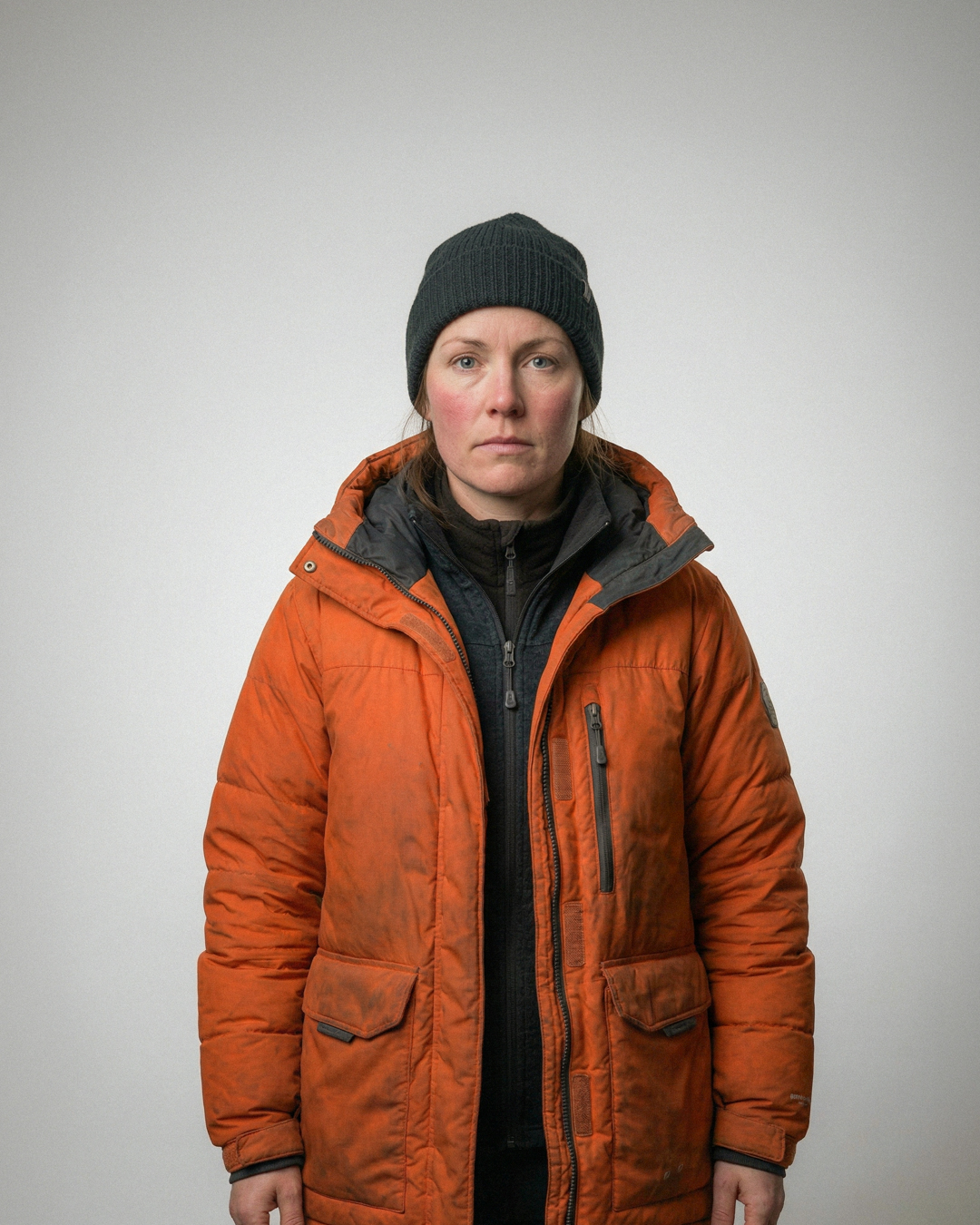
北極点からわずか千数百キロにあるノルウェー・スヴァールバル諸島。万年雪と岩肌に覆われた荒涼たる風景の中に、くさびのように突き刺さったコンクリートの入り口がある。そこは、世界中のあらゆる植物の種子を永続的に保管し、気候変動や核戦争に備えるための巨大な「地球最後の日」の保管庫(シードバンク)だ。永久凍土の山を約100メートル以上も掘り進んだ奥深くで、イングリッド・ヨハンセン(35)は分厚い防寒コートのジッパーを喉元まで引き上げ、静寂に包まれた巨大なコンクリート空間の温度計を見つめていた。「摂氏・マイナス18.0度」。彼女の仕事は、空調設備と冷凍システムを調整し、世界中から集められた数百万の生命のDNA(種子)を、静かなまどろみの中に留め置くことだ。
|2|
かつてイングリッドは、クラウド・サーバーを冷やす巨大データセンターで働いていた。そこでは何万ものサーバーが、地球上の人々のSNSの投稿やAIが生成した数億枚の画像を処理するたびに、猛烈な熱と轟音を吐き出し続けていた。誰もが「データ(情報)こそが世界で最も重要な資源だ」と信じているかのように。しかし、サーバーに蓄積されるそれらのデータは、電力供給が止まれば一瞬にして虚無に帰す、極めて脆弱で軽い幻影にすぎなかった。スヴァールバルの地下にやってきたイングリッドの眼前に広がるのは、データの幻影ではない。世界中の国境を越えて送られてきた小麦、トウモロコシ、そして名もなき野草の、ごつごつとしたフィジカルな実体だ。ここではすべてが重く、硬く、凍てつくように静かである。
|3|
地上のどこかで戦争の火の手が上がり、インターネット上でAIシステムが数千万回におよぶ憎悪の言葉や見せかけのフェイク画像を生成しても、この地下100メートルの空間には何も届かない。そこにあるのは、岩盤の冷たさと、圧縮機の低くリズミカルな稼働音、そして真空パックされた銀色の箱の連続だけだ。イングリッドは薄暗い通路を歩きながら、吐く白い息の塊を見つめる。「地上で世界が終わろうとも、ここの温度計がマイナス18度である限り、人類のパースペクティブ(見晴らし)は保たれる」。彼女はタブレットに記録をつけて振り返り、デジタルの喧騒から最も遠い場所で、人類が最後に開けるべき扉を重く閉ざした。
English
Silence—
is it ever really silent?
I wonder about that sometimes.
A hundred meters underground, where Ingrid works,
the temperature is fixed at -18°C.
There is almost no sound—just the low hum of compressors.
But calling it “quiet” feels… inaccurate.
Because that space is filled with time.
Millions of futures that haven’t happened yet.
Seeds that are still asleep.
……
Up here, where we live, it’s different.
Notifications.
Scrolling.
Something else disappears.
—We keep trying to preserve things that were never meant to last.
Ingrid used to work in a data center.
Servers breathing heat.
Human emotions reduced to numbers and images.
Then she left.
No explanation.
But somehow, it makes sense.
Everything must have felt too light.
Untouchable things.
Things that vanish with a power outage.
Things that exist, but don’t really exist.
……
Now she walks between rows of seeds.
They are just objects.
But they are heavy.
Because they carry time—
the past, the future, and maybe someone else’s hope.
—Maybe weight is just another name for time.
And maybe we’ve surrounded ourselves
with things that are too light.
Easy to send.
Easy to erase.
Easy to forget.
No wonder it feels unstable.
……
She checks the thermometer again.
-18.0°C.
Unchanging.
Unchangeable.
While everything above ground keeps updating,
this place resists.
Or maybe—
it chooses to hold time still.
……
If the world were to end,
which door should we open last?
The cloud?
Or the frozen earth?
What do we believe is worth preserving?
—and will it actually remain?
|1|
Just over a thousand kilometers from the North Pole, in Norway's Svalbard archipelago, a concrete wedge protrudes from a desolate landscape of perpetual snow and jagged rock. This is the entrance to a massive "Doomsday" Seed Vault—built to permanently store the seeds of every plant species on Earth as a fail-safe against climate change and nuclear war. Deep inside, more than 100 meters into the permafrost mountain, Ingrid Johansen (35) pulls the zipper of her thick thermal coat up to her throat, staring at the thermometer in the silent, cavernous concrete space. "-18.0°C." Her job is to regulate the climate control and refrigeration systems, keeping millions of samples of life's DNA from around the world in a state of quiet slumber.
|2|
Ingrid used to work in a massive data center cooling cloud servers. There, tens of thousands of machines violently spewed scorching heat and a deafening roar every time they processed the world's social media posts and hundreds of millions of AI-generated images. It was as if everyone believed that "data" was the most vital resource on Earth. Yet, the data hoarded in those servers were fragile illusions—fleeting phantoms that would vanish into nothingness the moment the power grid failed. What lies before Ingrid's eyes in the underground vaults of Svalbard are not digital phantoms. They are the rugged, physical realities of wheat, corn, and nameless wild grasses shipped across global borders. Here, everything is heavy, hard, and freezing quiet.
|3|
Even if the flames of war erupt somewhere on the surface, or AI systems generate tens of millions of hateful words and fake images across the internet, none of it reaches this space 100 meters underground. There is only the biting cold of the bedrock, the low, rhythmic hum of compressors, and endless rows of sealed silver boxes. Walking down the dimly lit corridor, Ingrid watches the thick white cloud of her own breath. "Even if the world ends on the surface, as long as this thermometer reads minus 18 degrees, humanity’s perspective is preserved." Tapping a record into her tablet, she turns back and heavily shuts the door humanity must open last, in a place furthest from the digital noise.
日本語本作に登場する人物・語りは、実在の個人に基づいたものではありません。設定・描写にあたっては、人物の文化背景、言語、歴史、現在の社会状況について文献・記録・当事者の語り等を調査し、それらをもとに構成・再構成し、物語として描いています。ただし、たとえ綿密なリサーチをもとにしていても、"他者の声を仮構すること"には構造的な危うさがあると私は考えています。この作品は、その危うさごと提出するための試みです。
EnglishThe characters and narratives presented here are not based on any real individuals.The setting and depiction are constructed and restructured through research into cultural backgrounds, languages, histories, and contemporary conditions—including archival sources and first-person accounts—and are rendered here as a narrative.However, even when grounded in careful research, I believe that fictionalizing the voice of another carries inherent structural risk.This piece is an attempt to present that risk itself—openly and with accountability.